Vibration Plates: The Science Behind the Social Media Fitness Trend
In recent years, vibration plates have surged in popularity across social media platforms and wellness magazines, becoming a prominent fixture in the fitness technology landscape. These buzzing boards are marketed with ambitious claims, including enhancing balance, strengthening muscles and bones, alleviating pain, reducing fluid retention in swollen limbs, and supporting weight loss. Proponents suggest that even brief sessions—sometimes just a few minutes—can significantly boost circulation. But amidst the hype, a critical question remains: do vibration plates actually deliver on these promises?
How Vibration Plates Function
Dr. Jacob Calcei, an orthopedic sports medicine surgeon at University Hospitals, explains the mechanism behind these devices. "The platform produces rapid vibrations that stimulate muscles throughout the body, causing them to contract and release multiple times per second," he notes. "This involuntary muscle activation can amplify the effects of your workout and may provide numerous health benefits." Essentially, the vibrations force muscles to engage reflexively, which can intensify exercise efforts without requiring additional conscious exertion from the user.
Research-Backed Benefits of Whole-Body Vibration
Scientific studies offer some validation for the benefits associated with vibration plates. According to the Mayo Clinic, research indicates that whole-body vibration can improve muscle strength and aid in weight loss when combined with a calorie deficit. A small 2021 study highlighted that just three minutes on a vibration plate can increase blood flow in healthy adults, facilitating better fluid movement throughout the body—though traditional exercise demonstrated greater effects.

Additional research, spanning from the early 2000s onwards, has linked vibration plate use to lowered blood pressure, a significant factor in reducing the risk of life-threatening conditions like heart attacks and strokes. Other documented advantages include:
- Alleviation of back pain
- Improved balance and strength
- Reduced bone loss
Sports physical therapist Winnie Yu emphasises the role of vibration plates in enhancing proprioception—the body's ability to sense its position in space, which is crucial for balance. "By exercising or even static standing or sitting on a vibration plate, you can improve your body's proprioception," she told Cosmopolitan.
Maximising the Benefits: Expert Recommendations
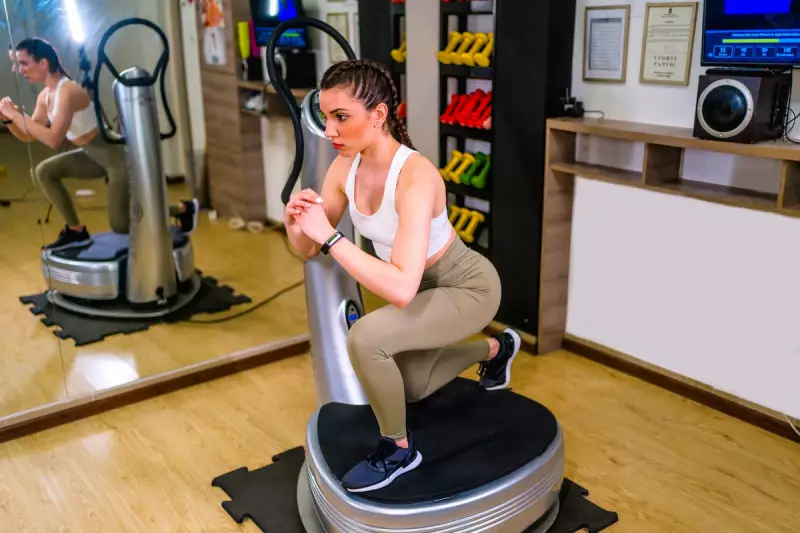
Experts stress that vibration plates should not replace traditional exercise but rather serve as a supplementary practice. Jeff Paul, director of personal training at Chelsea Piers Fitness, cautions against viewing them as a quick fix. "Vibration plates are not a magic solution," he told Harper’s Bazaar. "You’ll get the most out of them when you pair the vibration with movement." For optimal results, try incorporating exercises like lunges or squats while on the plates, as this combination can enhance the health benefits.
Risks and Considerations: Who Should Avoid Vibration Plates?
While vibration plates may offer a gentler option for individuals with joint issues or chronic pain, they are not suitable for everyone. The intense muscle stimulation poses risks for certain groups, including:
- People with recent injuries or surgeries
- Individuals with pacemakers
- Children and pregnant women
- Those with conditions such as vertigo, migraines, infections, seizure disorders, severe osteoporosis, blood clotting disorders, high blood pressure, or a history of heart attack or stroke
It is advisable for anyone in these categories to consult a doctor before using vibration plates. Additionally, the cost can be a deterrent, with prices ranging from under $80 to around $3,000, as noted in The Independent's review of online offerings.

Alternatives and Final Thoughts
For those seeking fitness improvements without vibration plates, alternatives include traditional strength training, cardiovascular exercises, and balance-focused activities like yoga or Pilates. Ultimately, while vibration plates can provide supplementary benefits, they are most effective when integrated into a broader, well-rounded fitness regimen. As with any wellness trend, informed usage and professional guidance are key to safely reaping potential rewards.