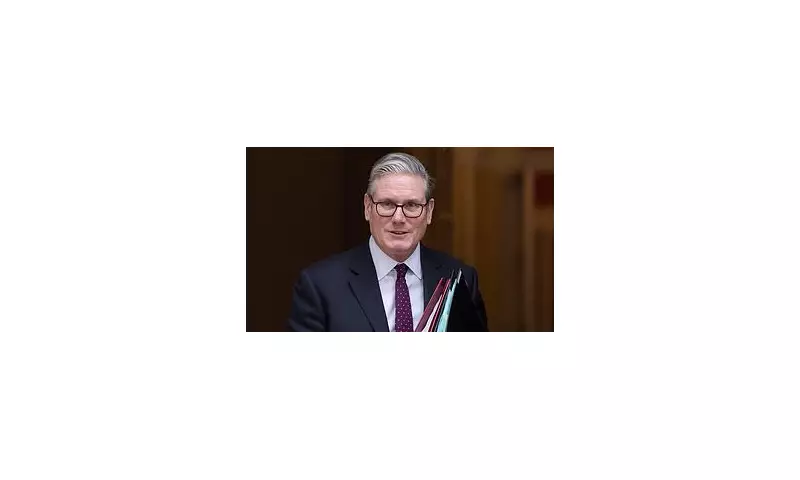
Concerns are mounting that the UK may be poised to make significant new financial contributions to the European Union, in what critics are labelling another major Brexit reversal under Sir Keir Starmer's leadership.
Electricity Deal Negotiations Begin
The government has initiated discussions with Brussels regarding a new electricity trading agreement. Ministers argue that rejoining the EU's internal energy market could help to reduce household bills by allowing for more efficient cross-border power flows.
However, the EU is anticipated to demand that Britain pays into its 'cohesion fund' as a condition for market access. This fund is designed to support development in poorer regions across the continent.

A Pattern of Closer Ties?
This development follows swiftly on the heels of the Prime Minister's decision to sign the UK back up to the EU's Erasmus+ student exchange programme. That commitment alone could cost UK taxpayers up to £6 billion over the next seven years—a sum three times larger than one rejected by Boris Johnson during the original Brexit negotiations.
Sir Keir Starmer recently pledged to 'keep moving towards a closer relationship with the EU'. Earlier this year, his government also agreed to a fishing deal which permits French vessels to continue operating in British waters for an additional 12 years, a pact described by some as a 'surrender'.
Political Backlash and Government Assurance
Shadow Foreign Secretary Dame Priti Patel launched a sharp critique of the approach. 'Having agreed to give the EU billions as part of the Erasmus deal for seemingly nothing in return, Sir Keir Starmer is now contemplating another bung to Brussels,' she stated. 'Voters will rightly doubt whether he is really batting for Britain.'
In response, Brexit reset minister Nick Thomas-Symonds sought to provide reassurance. He asserted that the Government would 'not make general contributions to the EU budget' to secure the electricity agreement, emphasising that the deal's primary aim is to drive down energy costs for families.
Nevertheless, it is understood that Labour is willing to consider what it terms 'fair contributions' to gain the substantial benefits of market access, which would enable British energy companies to export power to the bloc.
Former Brexit negotiator Lord Frost offered a starkly different perspective. 'The only thing we are getting back from this negotiation is the right to be subject to EU laws that we have no say in, don’t suit us and can’t change,' he warned.
Despite the political furore, government sources have insisted that the UK's position is clear: it will not pay into the EU’s cohesion fund. The coming weeks of negotiation will test the resolve of that stance as the government balances energy security and cost concerns against post-Brexit political sensitivities.