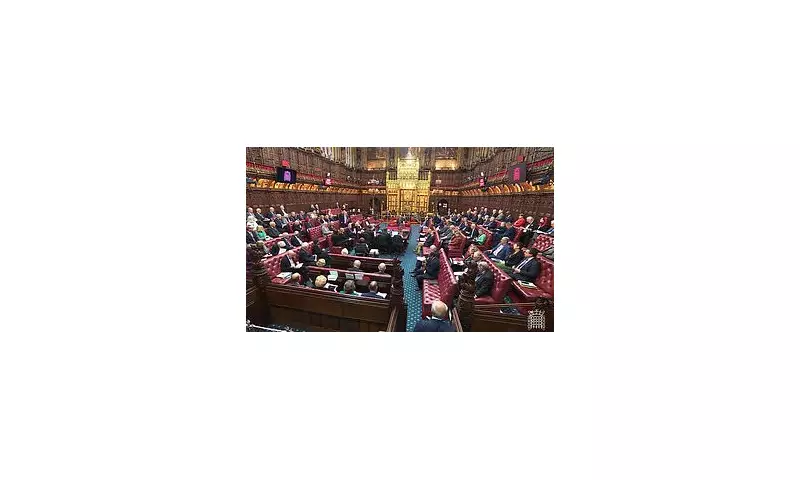
Prime Minister Keir Starmer is facing accusations of cronyism and a power grab amid reports he is set to appoint dozens of new Labour peers to the House of Lords. Critics warn the strategy is designed to 'eliminate' parliamentary opposition to his government's agenda within two years.
The Plan to Reshape the Upper Chamber
The Prime Minister is reportedly ready to hand peerages to a significant number of allies and party figures. This move aims to strengthen Labour's presence in the unelected upper house, where it currently lacks a majority with 210 peers compared to the Conservatives' 283. The reported list of new appointments follows the creation of 30 peers just a year ago and the recent move to expel the remaining 92 hereditary peers, a group which leaned Conservative.
Nikki da Costa, a former adviser to Conservative Prime Ministers Theresa May and Boris Johnson, stated: 'With the removal of the hereditary peers, and the pace at which Labour are appointing peers, they are on track to eliminate all defeats by 2027. Clearly that's the plan.'

Key Figures in Line for Peerages
According to reports, those likely to be elevated to the Lords include several close aides and former staffers:
- Matthew Doyle, the former Downing Street director of communications who resigned in March after nine months, described by a source as a 'dead cert'.
- Katie Martin, the outgoing chief of staff to Chancellor Rachel Reeves.
- Paddy Lillis, former general secretary of the trade union Usdaw.
- Carol Linforth, a veteran Labour aide known for assisting Sir Keir when he was 'glitter-bombed' at a party conference.
A Conservative source criticised the plans, telling the Daily Mail: 'Union paymasters, Labour apparatchiks and those responsible for this Government's disasters all being handed rewards tells you everything you need to know... it's more cronyism and more reward for failure.'
Implications for Legislation and Democracy
This political manoeuvring follows a recent high-profile clash between the Lords and the Commons. The government was forced to water down its flagship Workers' Rights Bill, altering a key provision to grant protection from unfair dismissal after six months of service instead of from day one, to secure its passage. Other day-one rights to parental leave and sick pay are still scheduled to come into effect in April 2026.
The shift in the Lords' composition is seen as a direct response to such legislative stand-offs. With a bolstered majority, the government would face far fewer obstacles in passing controversial laws, including its new proposals to curtail jury trials. It is thought that while the Tories will appoint a handful of new peers, Reform UK is not expected to gain any representation in the upper chamber.
The House of Lords Appointments Commission has not yet formally approved the reported list of new peers. Downing Street declined to comment on the speculation, leaving the political storm to gather pace as the Prime Minister seeks to cement his party's authority.