A Tennessee judge has delivered a significant blow to President Donald Trump's crime-fighting strategy in Memphis, issuing a block on the use of the National Guard in the city.
Judge's Ruling and Legal Challenge
Davidson County Chancellor Patricia Head Moskal made the ruling on Monday, siding with Democratic state and local officials who had filed a lawsuit. The plaintiffs argued that Republican Governor Bill Lee cannot deploy the Tennessee National Guard for civil unrest unless a rebellion or invasion is occurring. Even in such extreme scenarios, they contended, it would require action by state lawmakers.
Furthermore, the legal challenge highlighted another provision in state law, pointing out a requirement for a formal request from a local government to use the Guard in situations involving a breakdown of law and order. The state, however, maintains that Tennessee law grants the governor the authority to dispatch the Guard when he determines it is necessary.

Operational Impact and Next Steps
In a crucial twist, Chancellor Moskal put her order on hold, giving the federal government a five-day window to launch an appeal. This temporary stay means the current situation in Memphis remains unchanged for the moment.
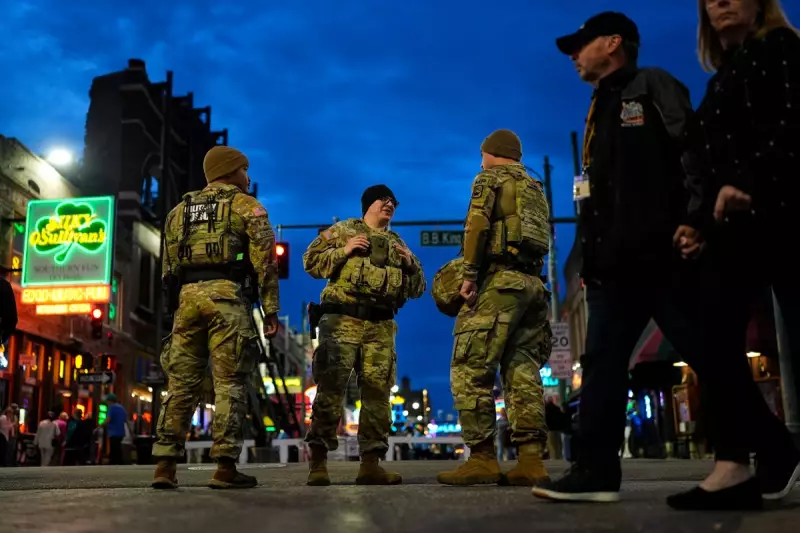
Since their arrival on October 10, National Guard troops have been a visible presence in Memphis neighbourhoods and commercial areas, including patrols near the iconic Pyramid in downtown. Dressed in fatigues and protective vests labelled military police and carrying holstered guns, their role has been one of support. Officials have consistently stated that Guard members do not have the power to make arrests.
The National Guard deployment is a key component of a larger task force established by an executive order from President Trump. This task force also involves numerous other federal and local law enforcement agencies, whose officers have been patrolling the city for several weeks.