

Government Reverses Decision on Postponing 30 Local Council Elections
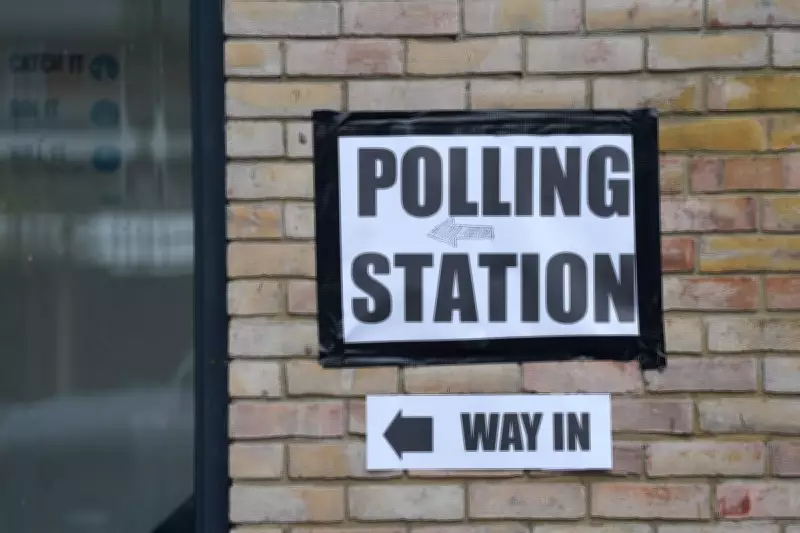
The government has made a dramatic U-turn, abandoning plans to delay local elections for 30 councils across England. This reversal comes after receiving legal advice and facing a judicial challenge from Reform UK, ensuring all council elections will now proceed as scheduled in May 2026.
Legal Advice Forces Election Postponement Plans to Be Scrapped
In a statement released on Monday, the Ministry of Housing and Local Government confirmed the decision, citing the need to provide certainty to councils. "Following legal advice, the government has withdrawn its original decision to postpone 30 local elections in May," the announcement declared. "Providing certainty to councils about their local elections is now the most crucial thing and all local elections will now go ahead in May 2026."
This marks a significant shift from the government's position last year, when Labour announced intentions to postpone some elections in areas undergoing local government restructuring. Local Government Secretary Steve Reed had previously confirmed that 29 of the 136 council elections due this year would be delayed until 2027, with one additional council later granted permission for postponement.

Reform UK's Legal Challenge Proves Decisive
The planned postponement faced immediate criticism and legal action. Reform UK launched a judicial review, arguing against the delays. Nigel Farage celebrated the government's reversal as a victory for his party, stating on social media: "We took this Labour government to court and won. In collusion with the Tories, Keir Starmer tried to stop 4.6 million people voting on May 7th. Only Reform UK fights for democracy."
As part of the settlement, the government has agreed to pay Reform UK's legal costs incurred during the challenge. This development has sparked further political controversy, with opposition figures accusing the government of mismanagement.
Political Fallout and Criticism from Opposition Parties
Tory shadow local government secretary James Cleverly accused Labour of "running scared of voters" amid poor approval ratings. Meanwhile, Kemi Badenoch criticized what she called "U-turn after U-turn after U-turn" from the government, describing the situation as "predictable chaos from a useless government that cannot make basic decisions."
The Electoral Commission had previously warned that postponing elections risked "damaging public confidence," while opposition parties claimed the delays were politically motivated rather than practical necessities.
Councils React to the Sudden Policy Reversal
Despite the government's initial rationale for delays—citing resource constraints during ongoing plans to merge two-tier authorities into unitary councils by 2028—some affected councils expressed frustration with the policy reversal. Councillor Kay Mason Billig, leader of Norfolk County Council, criticized the government for "wasting everyone's time" with another indecisive move.
However, many councils indicated they had prepared for both scenarios. Norfolk County Council, which last held elections in May 2021, confirmed they had already budgeted for elections and could proceed as planned. Similarly, Peterborough City Council stated they had anticipated this outcome and were ready to conduct elections.
Financial Support and Practical Implications
In a letter to council leaders, Steve Reed announced that approximately £62 million would be made available to local authorities undergoing structural changes. "My officials will be in touch with those affected councils to understand if any further practical support will be required," Reed added, acknowledging the challenges councils face with the sudden policy change.
The 30 councils originally scheduled for postponement include:

- Adur District Council
- Basildon Borough Council
- Blackburn with Darwen Council
- Burnley Borough Council
- Cannock Chase District Council
- Cheltenham Borough Council
- Chorley Borough Council
- City of Lincoln Council
- Crawley Borough Council
- East Sussex County Council
- Exeter City Council
- Harlow District Council
- Hastings Borough Council
- Hyndburn Borough Council
- Ipswich Borough Council
- Norfolk County Council
- Norwich City Council
- Pendle Borough Council
- Peterborough City Council
- Preston City Council
- Redditch Borough Council
- Rugby Borough Council
- Stevenage Borough Council
- Suffolk County Council
- Tamworth Borough Council
- Thurrock Council
- Welwyn Hatfield Borough Council
- West Lancashire Borough Council
- West Sussex County Council
- Worthing Borough Council
With the legal challenge resolved and elections confirmed to proceed, these councils must now finalize preparations for the May 2026 vote, ensuring democratic processes continue uninterrupted despite the political controversy surrounding the government's initial postponement plans.





