Kidlington's Historic Vote Transforms Village into Town Amid Resident Rift
The unanimous decision by Kidlington Parish Council to change its status from village to town has ignited a fierce debate among its 14,000 residents, with deep divisions emerging over the implications of this historic shift. Located on the outskirts of the Cotswolds in Oxfordshire, the community now faces a future where identity, finances, and local governance are at stake.
A Clash of Perspectives: Tradition Versus Progress
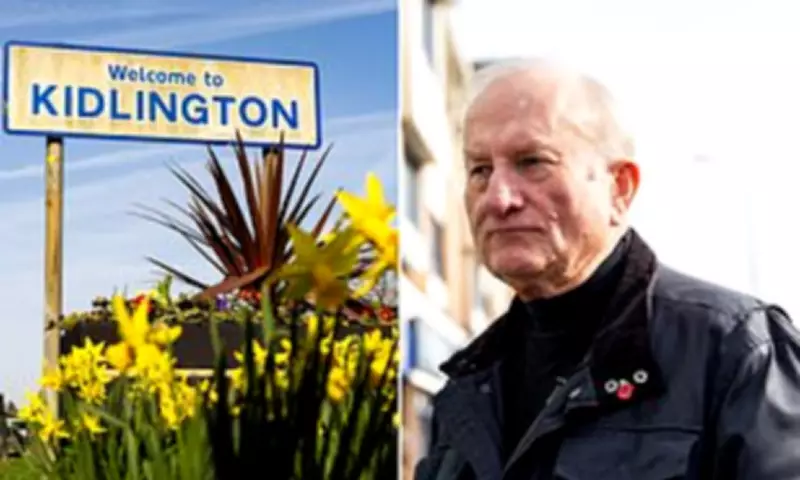
Opponents of the change argue that Kidlington's village charm and community spirit are under threat. Gloria Mundy, 72, a resident since 1975, expressed her dismay: "I have been here since 1975 and it's always been a village with that village feel. Calling it a town, I can't see any advantages at the moment." She emphasised her preference to retain the village label for its stronger community connections, questioning what town status truly represents.
Tony Lewis, 81, who has lived in Kidlington for 38 years, lamented the loss of distinction: "It's a bad step because we had the distinction of being the biggest village in England. Now we are just another little town." He warned that town status could lead to demands for a mayor, expanded town council, and a surge in councillor numbers, driving up council tax rates significantly. Lewis criticised the potential expenditure as unnecessary, suggesting funds should instead address pressing issues like pothole-ridden roads.

Supporters Highlight Practical Benefits and Protections
Proponents of the move point to tangible advantages, particularly regarding planning and policing. Recent changes to government planning rules mean that green belt land around towns receives enhanced protection, whereas land around villages is downgraded to grey belt status. By becoming a town, Kidlington could safeguard its surrounding green spaces from development pressures.
Additionally, government policy ensures that towns benefit from greater police coverage, a key factor cited by supporters. Councillor Melanie Moorhouse explained to the BBC: "By making a change of our status, we can give Kidlington those protections. Our hope is very much that it will not change our community—it will in fact secure our community identity." She clarified that residents could still refer to Kidlington as a village informally, emphasising that the change aims to prevent absorption into Oxford as a suburb.
Resident Voices Reflect a Community at Crossroads
The debate has drawn varied responses from locals. Peter Talboys, 86, questioned the prioritisation of funds: "My concern is why spending a lot of money on this town thing when they should be fixing potholes and all the fly-tipping?" He noted Kidlington's current retail landscape, dominated by charity shops and salons, and expressed scepticism that town status would attract more useful shops.
In contrast, Alex Babic, 54, supported the transition: "People who are born and bred here might not like the idea of it changing because nobody really likes anything to change, but things move on." He highlighted the population growth—from 13,600 in 2021, with further increases expected due to planned developments—and argued that infrastructure must evolve accordingly.
Robert Allen, 49, a lifelong resident, dismissed sentimental attachments: "We were the biggest village in Europe, what did that actually lead to? It's not like it became a tourist destination." He welcomed potential improvements in policing, roads, and parks if town status brings more resources, noting that daily life would likely remain unchanged.
Political Backing and Strategic Rationale
The vote, which reversed a failed attempt in 1988, has garnered support from local leaders. Susan Brown, Leader of Oxford City Council, welcomed the decision, stating it would unlock new funding streams for residents and businesses. Under plans for a Greater Oxford council, Kidlington Town Council would gain a stronger voice in neighbourhood governance.

Liberal Democrat MP Calum Miller, representing Bicester and Woodstock, respected the outcome, citing rapid growth pressures and local government reorganisation in Oxfordshire. He praised the parish council's transparent consultation and emphasised that town status would empower Kidlington to protect its distinct identity and shape its future locally.
Green councillor Ian Middleton, who represents Kidlington across multiple councils, framed the move as a defensive strategy: "I think one of the reasons why Kidlington is making that step now is because it makes the town more defensible by any land grabs by Greater Oxford. We are a town in our own right now, and it gives us a stronger position."
As Kidlington transitions from England's largest village to a small town, the community remains polarised. While some mourn the loss of a cherished identity, others see it as a necessary step for protection and progress in a rapidly changing region.