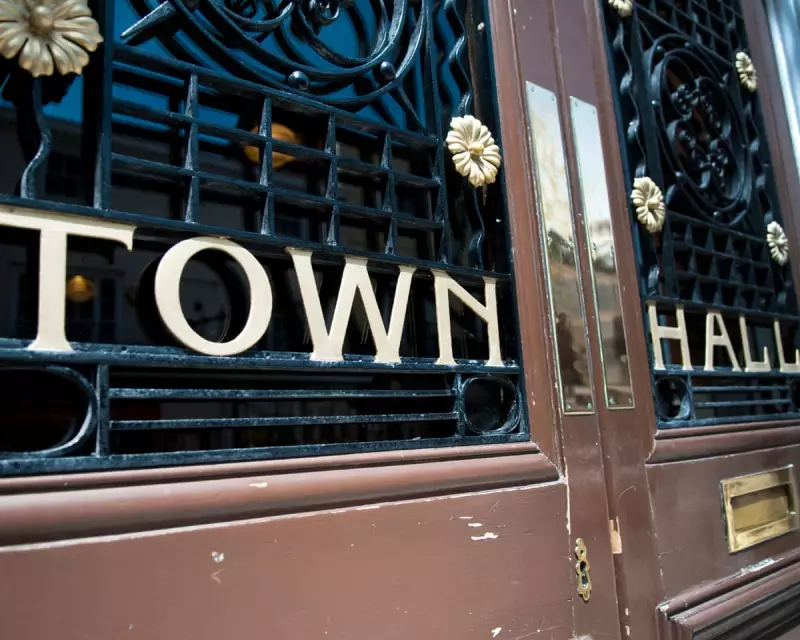
In the heart of East Sussex, Lewes town hall stands as a symbol of local governance, with its clerk, Veronique Poutrel, emphasising a critical message: ‘If communities want town and parish councils that truly reflect their needs and ambitions, now is the time to help shape them.’ This call to action comes amid significant upheaval in local politics, driven by the English devolution bill, which has led to widespread delays in council elections across England.
The Impact of Devolution on Hyperlocal Councils
As combined authorities begin to form under the government's priority programme, including in Sussex, town and parish councils are poised to take a leading role. These hyperlocal bodies are expected to craft solutions that are deeply rooted in their communities, addressing issues from housing to public services with a place-based approach. At Lewes town council, discussions are actively exploring how these structural changes can be leveraged as an opportunity, encouraging residents to participate in shaping community-led initiatives.
Election Postponements and Democratic Concerns
The postponement of local elections, with some delays extending until 2027, has sparked intense debate. In East Sussex, the cancellation of the May 2025 local elections and the postponement of mayoral elections to 2028 have raised alarms. Critics argue that allowing unelected councillors to continue governing without a mandate undermines democratic principles. Sue Carroll from Rodmell, East Sussex, highlights the inefficiency and unresponsiveness of some councils, questioning the justification for extending their terms indefinitely.

This situation has led to broader reflections on accountability, with concerns that residents may be deprived of their right to elect representatives for several years. The government's invitation for county councils to postpone their own elections adds another layer of complexity, as these bodies now hold responsibility for shaping their potential replacements.
Political Reactions and Broader Implications
The debate extends beyond local governance, touching on national political dynamics. Reform UK's objections to election cancellations, based on defending democracy, have prompted questions about consistency. Dr Richard Simmons from Chatham, Kent, points out the irony, suggesting that if defecting MPs trigger calls for byelections, similar principles should apply to local council delays.
As communities navigate this period of uncertainty, the emphasis remains on engagement. With the future of local elections still in flux, residents are urged to connect with their most local decision-makers to ensure that councils evolve to meet their needs and aspirations effectively.