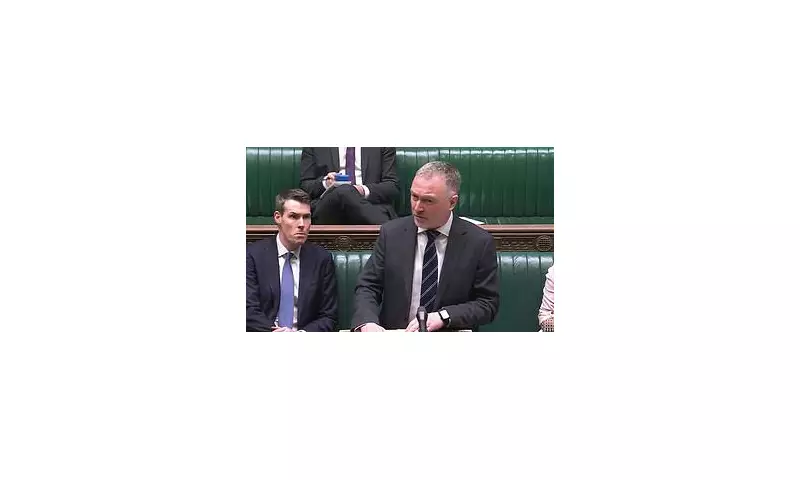
Local elections scheduled for May will be postponed in 29 specific areas across England as part of a deliberate strategy to accelerate Labour's ambitious plans for a comprehensive reorganisation of local government structures. This significant development was officially confirmed today by a senior government minister, marking a major shift in the political landscape ahead of the upcoming electoral cycle.
Strategic Postponement to Facilitate Structural Reform
The Government initially announced last month that a total of 63 councils had been presented with the option to defer their local elections until 2027. This unprecedented move is designed to create the necessary administrative space and political stability required to implement Labour's sweeping vision for local government transformation. Local Government Secretary Steve Reed has now confirmed that almost half of these eligible authorities will indeed be permitted to proceed with the postponement, creating what the government describes as a "clear runway" for structural change.
Unitary Authorities: The Future of Local Governance
At the heart of Labour's agenda lies the fundamental abolition of the traditional two-tier system that currently divides responsibilities between county councils and district councils. Instead, the government plans to establish new unitary authorities that would consolidate all local government functions within single, streamlined administrative bodies. These reformed structures are projected to be fully operational and delivering services to communities by 2028, representing what ministers describe as the most significant overhaul of local governance in decades.

Political Controversy and Opposition Backlash
Opposition parties have launched fierce criticism against the election postponements, accusing the Labour government of "running scared" from voters during a period when opinion polls suggest the party might face significant electoral challenges. The controversy has escalated beyond traditional political boundaries, with Nigel Farage's Reform UK party initiating formal legal action against the Ministry of Housing, Communities and Local Government (MHCLG) in response to the postponement decisions.
Even within parliamentary institutions, concerns have been raised about the democratic implications of the move. Commons Speaker Sir Lindsay Hoyle has publicly expressed his opposition to the postponement strategy, adding considerable weight to the growing chorus of criticism. Shadow local government secretary James Claverly has quantified the impact, stating that the decision will prevent approximately 3.7 million eligible voters from participating in democratic processes this May.
Broader Implications for Democratic Participation
The postponement decision raises fundamental questions about the balance between administrative efficiency and democratic accountability. While the government argues that temporary electoral delays are necessary to facilitate long-term improvements in local service delivery and governance efficiency, critics contend that any postponement of democratic processes sets a dangerous precedent. The coming months will likely see intensified debate about whether structural reform should take precedence over regular electoral cycles, with significant implications for how local democracy functions across England.
As the legal challenges proceed and political debates intensify, the postponed elections have become a focal point for broader discussions about the future of local governance, the timing of democratic processes during periods of structural change, and the appropriate balance between administrative reform and electoral accountability in modern British politics.