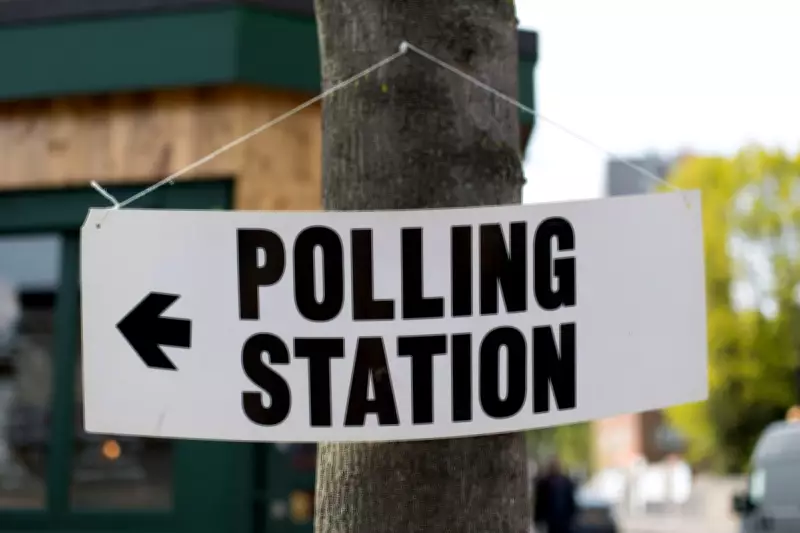
The Government has executed a significant policy reversal, abandoning plans to postpone elections across 30 councils scheduled for this May. This decision comes after receiving critical legal advice in response to a formal challenge mounted by Reform UK.
Legal Pressure Forces Government Retreat
Local Government Secretary Steve Reed had previously endorsed proposals to delay the polls, citing concerns over capacity, reorganisation, and democratic processes amid broader efforts to restructure English local authorities. However, on Monday, a spokesperson for the Ministry of Housing, Communities and Local Government (MHCLG) announced the withdrawal of this decision.
The spokesperson stated, "Following legal advice, the Government has withdrawn its original decision to postpone 30 local elections in May. Providing certainty to councils about their local elections is now the most crucial thing and all local elections will now go ahead in May 2026."

Reform UK Claims Victory in Court Battle
Nigel Farage, leader of Reform UK, hailed the Government's reversal as a direct victory for his party, which had initiated legal action against the initial postponement. In a post on social media platform X, Farage declared, "We took this Labour government to court and won."
The legal proceedings began with a court order published in January, where Mr Justice Chamberlain noted that Reform UK was seeking an interim order to block the Government from altering election dates pending a full hearing. The party had requested the court to resolve the claim before the end of March, coinciding with the publication of election notices.
Another hearing had been scheduled for this week, but the Government's abrupt withdrawal has rendered it unnecessary, underscoring the impact of Reform UK's legal strategy.
Implications for Local Democracy and Governance
This development ensures that local elections will proceed as originally planned, providing much-needed stability for councils and voters alike. The Government's emphasis on certainty highlights the administrative and logistical challenges that postponement would have posed, potentially disrupting local governance and democratic engagement.
The episode also underscores the growing influence of legal challenges in shaping government policy, particularly in matters of electoral timing and local authority reorganisation. As councils prepare for the May polls, this U-turn marks a pivotal moment in the ongoing dialogue between central government, local authorities, and political parties.