Parents across England could find themselves with limited social options for their young children, potentially leading to toddlers being taken to pubs as alternative venues face closure, a Labour MP has warned. The stark prediction comes amid concerns about the government's targeted business rates relief package that excludes many community-focused establishments.
Targeted Relief Sparks Parliamentary Debate
During a heated Commons debate, Treasury minister Dan Tomlinson outlined government plans to reduce property tax bills for pubs and music venues by 15% for the 2026/27 financial year, with subsequent freezes in real terms for the following two years. This announcement has prompted significant concern from opposition MPs who argue the support should be broader.
Labour MP Stella Creasy, representing Walthamstow, delivered a passionate plea to ministers, stating: "I must take issue with his metric that pubs are somehow the only cornerstone of community life in this country." She urged the government to reconsider excluding smaller, independent venues from the hospitality relief package.

The Toddler-to-Pub Scenario
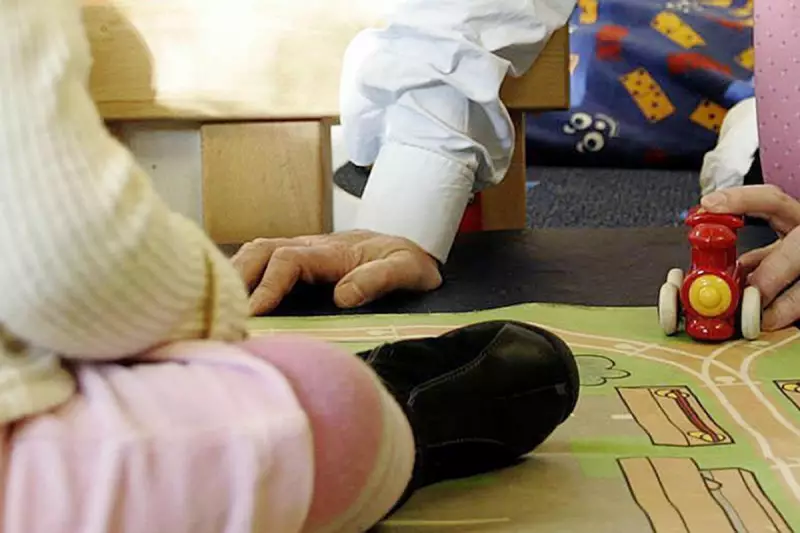
Ms Creasy presented a concerning scenario to the minister, saying: "I'm sure he does not want to be the minister responsible for sending toddlers into pubs, because the other places that their parents might take them during the day have closed down." She emphasised that this outcome would serve nobody's interests and called for immediate reconsideration of the policy exclusions.
The Labour MP specifically highlighted the plight of:
- Independent cafes struggling with rising costs
- Soft play centres facing financial pressures
- Community centres serving diverse local populations
Cross-Party Concerns Emerge
Mr Tomlinson acknowledged the validity of Ms Creasy's concerns, responding: "I would not want to be the minister that caused that to happen. She makes a very good point." As a parent himself, he expressed personal appreciation for soft play facilities, despite finding them "rather exhausting at times."
Liberal Democrat MP Sarah Olney joined the criticism, noting that her Richmond Park constituency contains a diverse hospitality sector serving various communities, including:
- Parents with young children
- People who choose not to drink alcohol
- Different faith groups
- Those uninterested in watching sports
Ms Olney questioned why the government was focusing relief exclusively on pubs when these other establishments serve crucial community functions.
Government's Defence and Future Considerations
In defence of the targeted approach, Mr Tomlinson explained that pubs "are valued differently than other sectors on the high street" and had suffered disproportionately under previous administrations. He promised ongoing engagement with businesses and parliamentarians ahead of future budgets.
Labour's Jim McMahon, a former minister, supported the call for broader support, stating: "The pressures being felt by pubs are being felt by the whole hospitality industry." He urged the Treasury to "get it right" by implementing a comprehensive support package.
Regional Impacts and Independent Businesses
The debate extended to specific regional concerns, with Labour MP Rachael Maskell highlighting challenges in York, where two-thirds of businesses are independents unlikely to benefit from the announced relief. She warned that without adequate support, many historic city businesses would face closure.
Mr Tomlinson pointed to existing small business rates relief and its extension to second premises as partial solutions, while Dame Meg Hillier, chair of the Commons Treasury Committee, pressed for details on Labour's promised "significant change" to the business rates system.
The minister referenced last year's budget adjustments that created a "significant rebalancing" with larger businesses facing tax rates 33% higher than typical high street establishments, suggesting this represented progress toward broader reform.

As the parliamentary session concluded, the fundamental question remained unanswered: how will the government ensure that community spaces serving families and diverse groups receive adequate support to prevent the concerning scenario of toddlers becoming regular pub patrons by necessity rather than choice?