

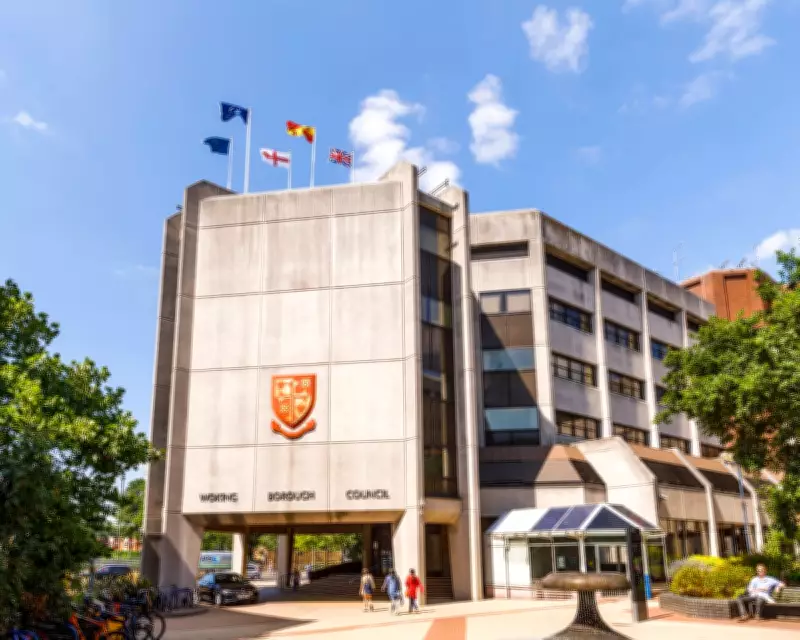
Labour's Election U-Turn and Woking's £500m Bailout Spark Democratic Debate
The bankrupt Woking council has secured a £500 million bailout, a move that comes amidst a political storm over Labour's decision to reverse plans to delay local elections in England. This U-turn, forced with less than three months' notice, has raised serious questions about the government's aptitude and judgment, highlighting broader issues in local governance.
Election Delay Reversal and Its Fallout
Labour initially proposed postponing elections to avoid electing councillors to bodies slated for abolition under its local government reorganisation. However, this plan was abandoned after a legal challenge from Nigel Farage, who publicly celebrated the reversal. The Electoral Commission had previously warned of "unprecedented" uncertainty, stressing that elections should only be postponed in exceptional circumstances. Changing course so late risks disrupting the smooth running of polls and places undue pressure on electoral staff.
Critics argue that the delay appeared as a democratic manipulation, especially since 21 of the 30 affected councils are Labour-led. This perception has fueled opposition, with Reform UK gaining traction. Even Labour MPs express concerns about a damaging narrative taking hold, fearing it undermines Sir Keir Starmer's authority.

Unitary Authority Reforms and Surrey's Test Case
In defence of its original policy, Labour argues that simplifying two-tier councils into unitary authorities is a necessary administrative reform. Surrey will serve as a test case, with May elections leading to the creation of East Surrey and West Surrey councils, replacing the existing county and 11 district councils. As part of this restructuring, Woking council receives the £500 million bailout to address its bankruptcy.
Experts, including the Institute for Government, had urged caution, warning that delaying elections could result in some councillors serving six-year terms. Over 20 areas in England have submitted plans for new unitary authorities, but a surge in Reform UK votes might pressure Labour to pause the process.
Democratic Concerns and Future Implications
The case for caution isn't merely about Faragist posturing; it revolves around democratic shortfalls. With fewer councillors and larger authorities, council decisions may move further from the communities they affect. However, local government reorganisation isn't typically an emotive issue for voters, and election timing controversies often fade quickly.
Ultimately, Sir Keir Starmer needs to offer a more competent and social democratic response to stagnant living standards and failing public services. The election U-turn doesn't undo Labour's broader programme, but it underscores the need for transparent and effective governance reforms.






