China has taken decisive retaliatory action against major American defence companies, including aviation giant Boeing, in response to a monumental US arms sale to Taiwan. The sanctions, announced by China's foreign ministry on Friday, target the firms and executives involved in the $10bn weapons package approved by the Trump administration last week.
Sanctions Target Key US Defence Players
The Chinese foreign ministry stated that the measures will freeze any assets the sanctioned entities hold in China and prohibit Chinese organisations and individuals from conducting business with them. The list includes Boeing's production hub in St Louis, Missouri, alongside other major contractors such as Northrop Grumman Systems Corporation and L3Harris Maritime Services.
In addition to the 20 firms, sanctions were levied against 10 individuals. These include the founder of defence firm Anduril Industries and nine senior executives from the affected companies, who are now banned from entering China.

Historic Arms Deal Triggers Beijing's 'Red Line'
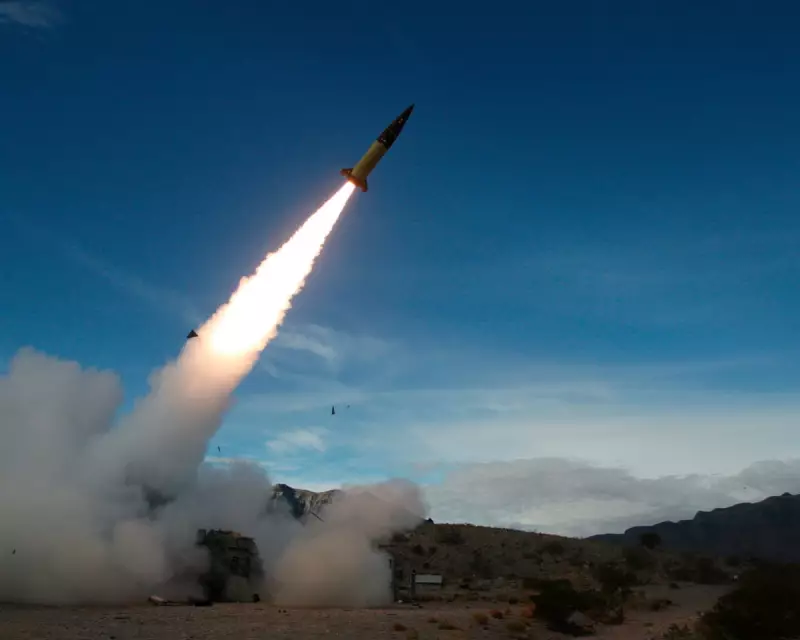
The punitive move comes directly after Washington confirmed its largest-ever weapons sale to Taiwan, valued at over $10bn. The package included advanced military hardware such as 420 Army Tactical Missile Systems (Atacms) – similar to systems provided to Ukraine – alongside reconnaissance drones.
A spokesperson for China's foreign ministry delivered a stern rebuke, stating: "The Taiwan issue is the core of China's core interests and the first red line that cannot be crossed in China-US relations. Any provocative actions that cross the line on the Taiwan issue will be met with a strong response from China." The statement urged the United States to halt its "dangerous" efforts to arm the island.
Escalating Tensions in a Delicate Balance
This development intensifies the existing friction between the world's two largest economies, already strained by trade disputes. Beijing views Taiwan as a breakaway province that must eventually reunite with the mainland, a stance vehemently rejected by Taipei's democratically elected government.
While the United States is legally committed to providing Taiwan with the means for self-defence, each arms sale is a flashpoint. The US State Department defended the recent sale, arguing it supports US national, economic, and security interests by helping Taiwan modernise its forces and maintain a credible defensive capability, thereby contributing to regional stability.
The sanctions notably impact Boeing's St Louis facility, where over 3,000 union workers staged strikes over pay earlier this year. The broader implications for US defence contractors' operations and supply chains involving China remain to be fully seen, marking a significant downturn in bilateral defence industry relations.