China's Military Leadership Shakeup: Two Top Generals Dismissed
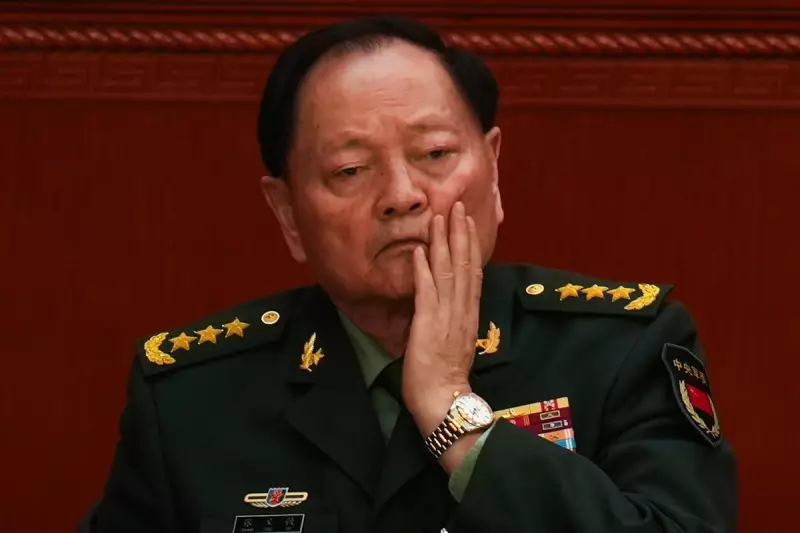
In a dramatic development that has sent shockwaves through international security circles, China's Ministry of National Defence announced last weekend the removal of two of the country's most senior military figures. Generals Zhang Youxia and Liu Zhenli have been dismissed from their positions and placed under investigation for serious disciplinary violations, marking one of the most significant purges within the People's Liberation Army in recent years.
The Fall of Military Titans
General Zhang Youxia held the distinction of being the PLA's most senior general since October 2022. His positions included serving as the highest-ranking military member of the Communist Party of China's Politburo, the powerful 24-member executive policy-making body that steers the nation's direction. Additionally, Zhang occupied the crucial role of senior vice chairman of the Central Military Commission, the body that exercises ultimate control over China's armed forces.
General Liu Zhenli brought substantial experience as the former commander of the PLA's Ground Force and had most recently been responsible for overseeing the Central Military Commission's Joint Staff Department. Both men were considered personal supporters of President Xi Jinping, with Zhang's family having maintained close ties to Xi's family dating back to the 1930s, before the establishment of the People's Republic.

Unprecedented Concentration of Power
The simultaneous removal of these two key figures creates an extraordinary concentration of military authority around President Xi Jinping. With their dismissals, military leadership now rests primarily with Xi himself, who serves as chair of the Central Military Commission, alongside General Zhang Shengmin. This development follows the earlier removal of three other Central Military Commission members since 2024 who have not been replaced, further narrowing the circle of military decision-makers.
International media reactions have been dramatic, with headlines describing a "military in crisis" and characterising the purge as "astonishing" in its scope. The speed of these dismissals has particularly surprised observers, as both generals had made public appearances as recently as one month before their removal, with fewer warning signs than typically accompany such high-level military shakeups.
Allegations and Investigations
The specific allegations against the dismissed generals remain officially undisclosed, though reports suggest serious charges. According to the Wall Street Journal, General Zhang Youxia faces accusations of providing the United States with sensitive information about China's nuclear weapons programme. Both generals are reportedly under investigation for accepting bribes and forming "political cliques" within the military hierarchy.
These developments occur against a backdrop of ongoing disciplinary problems within the PLA, particularly concerning corruption and procurement irregularities in the military's more technically advanced departments. Since 2022, approximately two dozen senior military figures have been dismissed or investigated, indicating a sustained campaign to address misconduct within the armed forces.
Xi's Anti-Corruption Crusade
President Xi Jinping has consistently emphasised the importance of combating corruption since assuming leadership of the Communist Party in 2012. In recent weeks, this campaign has gained renewed intensity in connection with the forthcoming announcement of China's 15th Five-Year Plan for Economic and Social Development. During a January 12 address to China's top anti-corruption agency, Xi declared corruption a "major struggle" requiring unwavering commitment.
"Currently, the situation in the fight against corruption remains grave and complex," Xi stated. "We must maintain a high-pressure stance without wavering, resolutely punishing corruption wherever it exists, eliminating all forms of graft, and leaving no place for corrupt elements to hide." He further emphasised the need to deploy "cadres who are truly loyal, reliable, consistent and responsible" to achieve China's developmental goals.

Interpretations and Implications
Analysts offer several possible explanations for these dramatic dismissals. The generals may have been directly involved in corruption, accepting bribes to influence official appointments or secure contracts for military suppliers. Alternatively, they might be held accountable for corruption that occurred under their supervision within military procurement processes.
Another possibility involves differences of opinion within the Central Military Commission and Politburo regarding how to address military corruption. The opaque nature of China's leadership makes definitive interpretation challenging, though historical precedents suggest that once senior figures lose status, their downfall typically results in multiple accusations.
Regarding Xi's personal position, most analysts agree these dismissals neither strengthen nor weaken his authority significantly. Few believe Zhang, Liu, or others currently possess the willingness or ability to challenge Xi's leadership directly. However, some observers suggest the disruptions caused by removing so many leaders could affect Xi's confidence in his military and potentially signal an impending culture change within the PLA.
Regional Security Considerations
International security analysts have begun speculating about potential implications for Taiwan. Some suggest that the military shakeup might temporarily reduce the likelihood of aggressive action toward the island, though most caution against drawing definitive conclusions. The PLA's overall military capacity, whether generally or specifically concerning Taiwan, remains largely unaffected by these leadership changes, according to defence experts.
The broader context includes China's ongoing military modernisation efforts and the management of ambitious government programmes. As the world's largest military organisation undergoes this significant leadership transition, international observers will closely monitor how the PLA adapts to its new command structure and whether further personnel changes follow in the coming months.