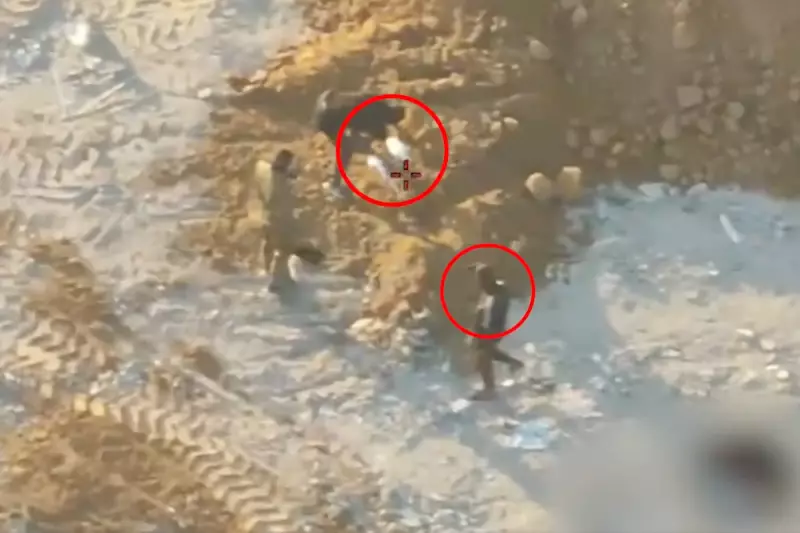
The Israeli Defence Forces have been forced into a humiliating retreat after admitting they circulated a fabricated video claiming to show the successful rescue of Hamas hostages.
In a significant embarrassment for the military, officials confirmed the widely-shared footage was staged using actors and props, sparking international condemnation and raising serious questions about information warfare tactics in the ongoing conflict.
The Controversial Footage
The video, which gained rapid traction across social media platforms, purported to show Israeli soldiers heroically extracting bound hostages from a Hamas-controlled location. The dramatic scenes appeared to show genuine rescue operations, complete with emotional reunions and military precision.

However, eagle-eyed analysts and journalists quickly identified multiple inconsistencies in the footage, including questionable military procedures and suspicious details in the background scenery.
Military Admission and Fallout
Facing mounting evidence of fabrication, IDF representatives eventually acknowledged the video was a "training simulation" that had been "mistakenly" presented as authentic combat footage. The admission came after the video had already been viewed millions of times and cited by multiple media outlets.
The revelation has triggered widespread criticism from international observers and human rights organisations, who accuse Israel of engaging in psychological warfare and manipulating public opinion through deceptive media practices.
Broader Implications
This incident comes amid growing concerns about the proliferation of misinformation in the Israel-Hamas conflict. Both sides have been accused of using social media as a battleground for narrative control, often blurring the lines between factual reporting and propaganda.
Military analysts suggest this episode could damage the credibility of future legitimate military communications, while media watchdogs warn it represents a dangerous escalation in information warfare tactics that could undermine public trust in conflict reporting.
The controversy continues to unfold as international bodies call for greater transparency and verification processes for military-released media in conflict zones.