Iran is poised to execute a 26-year-old father and protester this Wednesday, sparking international alarm and fears of mass executions as the regime intensifies its brutal suppression of nationwide unrest. The shocking development comes as officials admit the death toll has surged to at least 2,000 people in just over two weeks of violent clashes.
A Swift and Brutal Sentence
Efran Sultani, arrested last week in the city of Karash, was reportedly given a mere ten minutes to bid farewell to his family before his scheduled execution. Human rights organisation Hengaw, represented by Awyar Shekhi, expressed profound concern, stating they had "never witnessed a case move so quickly." Shekhi accused the government of employing every available tactic to suppress dissent and instil widespread fear among the population.
The official death toll, which includes over 100 security personnel, has trebled overnight amidst harrowing accounts of summary street executions, troops firing live ammunition into crowds, and protestors being bludgeoned to death with rifle butts. A source within Tehran told the BBC, "Things here are very, very bad... It's like a war zone, the streets are full of blood. They're taking away bodies in trucks."

Violence and a Media Blackout
Footage verified by BBC Persian and BBC Verify provides concrete evidence that Iran's security forces have been shooting directly at gatherings of protesters in multiple regions, including Tehran, Kermanshah province, and the Bushehr region. The regime simultaneously severed national communications for days in an attempt to stifle reporting, only restoring limited phone access on Tuesday.
Witnesses in central Tehran described a heavy security presence, with burned-out government buildings, smashed ATMs, and few civilians braving the streets. Despite the visible damage, police have ordered local tradespeople to reopen their businesses in a bid to project normality.
International Tensions and Domestic Defiance
Iranian President Masoud Pezeshkian has pointed the finger of blame for the unrest at the United States and Israel, accusing them of training individuals and importing terrorists to attack the country's infrastructure. State TV has echoed these claims, alleging the arrest of Israel-linked armed groups in Zahedan, though without independent confirmation.
Meanwhile, Supreme Leader Ayatollah Ali Khamenei praised the tens of thousands who attended pro-government rallies on Monday, framing the demonstrations as a "warning to American politicians." In a stark contrast, the attorney general has warned that any participant in the anti-regime protests will be considered an "enemy of God," a charge carrying the death penalty.
The international response is escalating. Former US President Donald Trump announced 25% tariffs on countries trading with Iran, calling the action "effective immediately" in response to the crackdown. This has stirred anxiety amongst Iranians, with Tehran shopkeeper Mahmoud noting customers speculate about a potential US military strike, though he expressed scepticism that foreign powers truly care for Iranian interests.
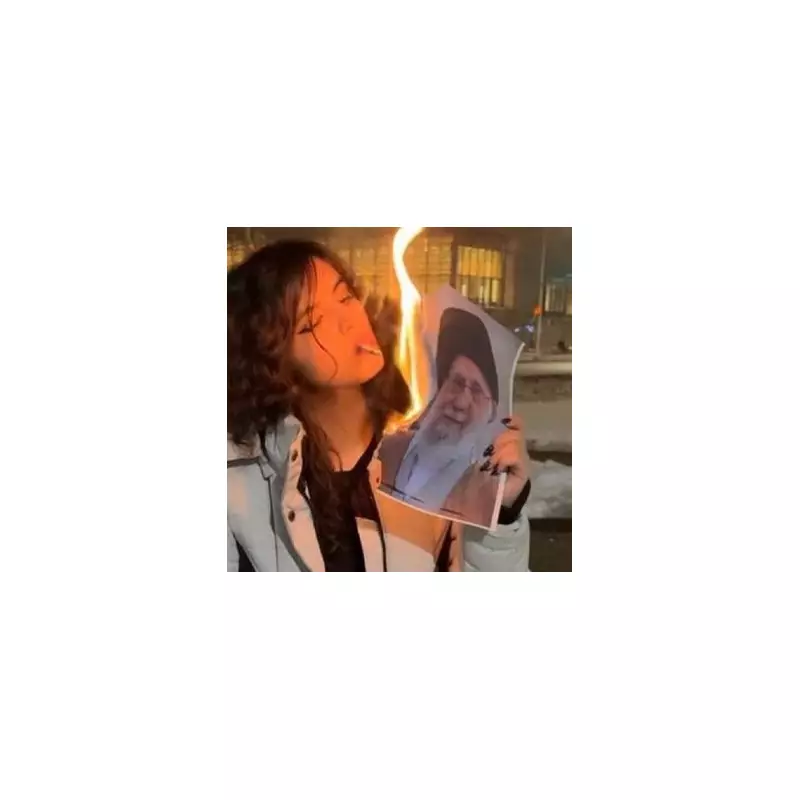
Despite the overwhelming force and dire warnings, defiance persists. A taxi driver named Reza observed that people, particularly the youth, feel hopeless but still talk of continuing the protests. This sentiment is mirrored globally, with symbolic acts of protest—such as burning images of Ayatollah Khamenei—occurring from the streets of Iran to London.