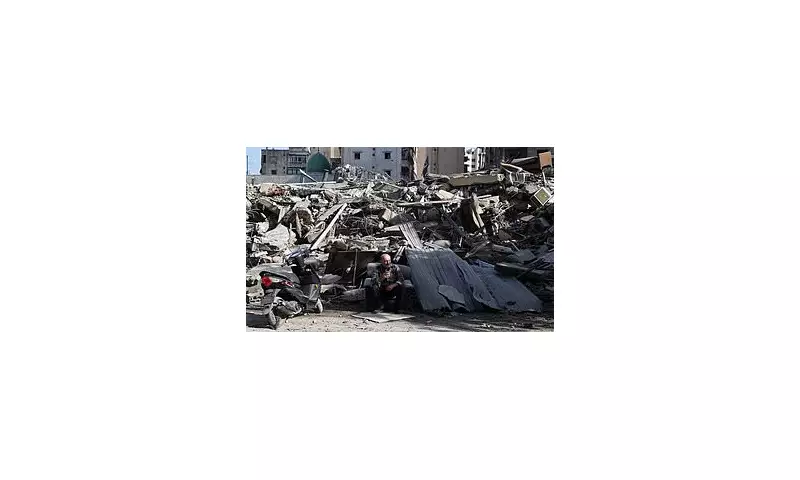
The Israeli military has announced it carried out a targeted strike in Lebanon on Thursday, killing a senior member of Iran's elite Quds Force. The military identified the target as Hussein Mahmud Marshad al-Jawhari, describing him as a key terrorist operative within the foreign operations arm of Iran's Revolutionary Guards.
Details of the Targeted Strike
In a statement released on Thursday, the Israel Defence Forces (IDF) accused al-Jawhari of being deeply involved in terror activities directed by Iran against the state of Israel and its security forces. The military asserted that his operations were coordinated from both Lebanon and Syria. This action underscores the ongoing shadow war between Israel and Iran, which plays out across the Middle East.
The strike occurs against a backdrop of heightened regional hostilities. In June of this year, Israel initiated a 12-day war with Iran, launching a wave of attacks on military, nuclear, and residential sites. Israel stated its goal was to cripple Tehran's atomic research and ballistic missile programmes. Iran retaliated with drone and missile strikes, leading to a brief period where the United States joined Israel in targeting Iranian nuclear facilities before a ceasefire was declared.

Broader Regional Conflict and Papal Condemnation
Iran, which does not recognise Israel's right to exist, has long accused it of sabotaging nuclear facilities and assassinating scientists. Tehran backs a network of militant groups, including Lebanon's Hezbollah and the Palestinian movement Hamas, as part of its 'axis of resistance'. Israel has fought major conflicts with both groups in the past two years.
In a separate but contemporaneous development, Pope Leo XIV used his first Christmas homily to deliver a powerful condemnation of the human cost of war, specifically highlighting the dire situation in Gaza. The 70-year-old pontiff, the first American to lead the Catholic Church, presided over Mass at St Peter’s Basilica.
Drawing parallels between the vulnerability of the infant Jesus and civilians in modern war zones, he stated, ‘Fragile is the flesh of defenseless populations, tried by so many wars, ongoing or concluded, leaving behind rubble and open wounds.’ He directly referenced the displacement in Gaza, asking, ‘How, then, can we not think of the tents in Gaza, exposed for weeks to rain, wind and cold?’
Arrest and Escalating Tensions
Earlier on Thursday, Israeli authorities announced the arrest of an Israeli citizen suspected of committing security offences under the direction of Iranian intelligence services. This arrest highlights the multifaceted nature of the threat perception within Israel, encompassing both external strikes and internal subversion.
Pope Leo XIV, known for a more cautious diplomatic tone than his predecessor Francis, has nonetheless been vocal in recent weeks about the plight of Palestinians. He has stated that a lasting resolution to the Israeli-Palestinian conflict must include the establishment of a Palestinian state. His Christmas Day remarks mark a significant moment, blending moral urgency with an implicit political stance on the ongoing conflict.
The confluence of these events—a lethal cross-border strike, a high-profile arrest related to Iranian espionage, and stark papal criticism—paints a picture of a region where military action, intelligence warfare, and international diplomatic pressure continue to intersect explosively.