

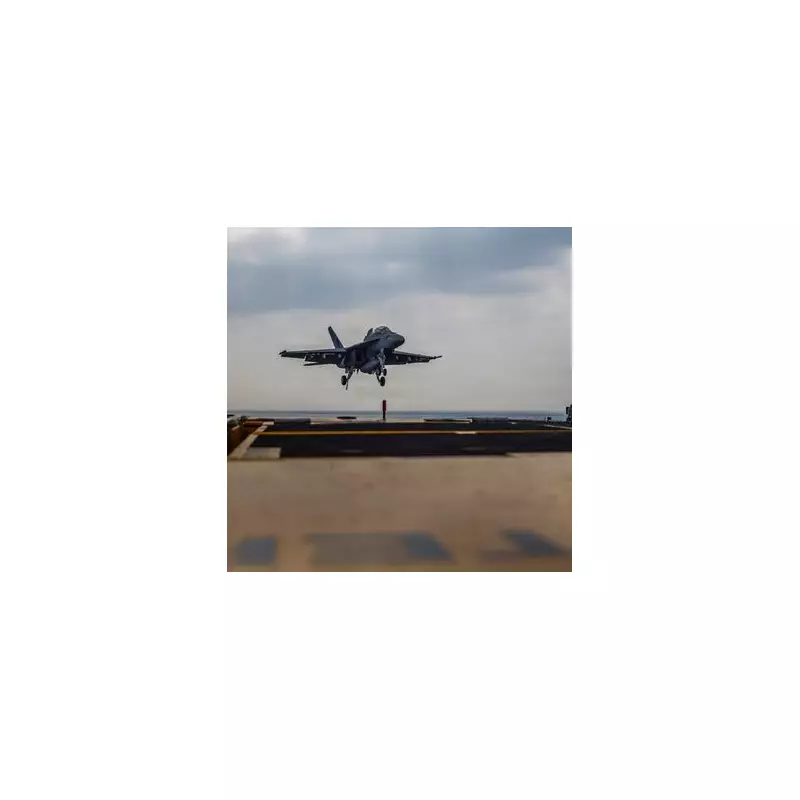
The Middle East is currently balanced on a precarious knife-edge, with regional stability hanging in the balance as the United States contemplates decisive military action against Iran. American naval assets, including the formidable USS Abraham Lincoln and its accompanying guided missile destroyers, are positioned strategically off the coast of Oman, poised for potential engagement. This tense standoff unfolds against a backdrop where Iran's regime is perceived to be at its most vulnerable point in decades, prompting urgent diplomatic manoeuvres from Tehran.
Diplomatic Appeals and Regional Calculations
Iran has reportedly issued desperate diplomatic appeals, seeking international intervention to forestall possible American strikes that could aim at regime change. However, reliable information from Tehran remains scarce, with reports indicating that internal repression, including the killing of opposition figures, continues unabated. Concurrently, President Donald Trump is intensifying pressure on the Iranian leadership, creating a volatile atmosphere of impending conflict.
Regional powers Saudi Arabia and the United Arab Emirates have publicly declared they will not permit their airspace to be used for an attack on Iran, potentially limiting the scale of any US operation. This stance appears somewhat contradictory, given both nations view the Iranian regime as a pariah state and have tacitly supported Israeli actions against Tehran's proxies, Hamas and Hezbollah, during the Gaza conflict. Furthermore, both countries have been direct targets of Iranian drone attacks in recent years, with the UAE experiencing an assault on an oil depot in 2022 and Saudi Arabia facing a similar incident at an oil processing plant in 2019.

Military Advantages and Political Dilemmas
From a strategic military perspective, analysts suggest there may never have been a more opportune moment for American and Israeli planners to attempt to dismantle the Iranian regime. Israel, while still facing potential backlash from Hezbollah, is considered to be at reduced risk compared to the period before the Gaza war. Internally, the Tehran regime faces unprecedented levels of domestic dissent, with widespread disillusionment among its populace.
President Trump, however, confronts a significant political dilemma. He has previously promised the Iranian opposition, enduring years of brutal oppression, that "help is on the way." Yet, he has reportedly delayed military action after Iran pledged not to proceed with the execution of 800 seized protesters, demonstrating his tendency to take authoritarian regimes at their word, at least temporarily.
Internal US Divisions and Strategic Uncertainties
The decision-making process within the Trump administration is marked by deep divisions. Vice President JD Vance and Secretary of War Pete Hegseth are advocating for military strikes, arguing that toppling the Iranian regime is a moral imperative. In contrast, envoys Steve Witkoff and Jared Kushner favour diplomatic solutions, emphasising the risks of triggering a broader regional war.
The entire region remains on a hair-trigger alert, acutely aware that Iran possesses significant capability to retaliate violently against any US-led attack, despite stern warnings from both Washington and Jerusalem. President Trump is cognisant that once military strikes commence, the outcomes become unpredictable, particularly regarding the regime's response and the effectiveness of pre-arranged replacement structures for the Khamenei system.
Precision and Consequences
Any potential US military action would need to be both devastatingly effective and precisely targeted, minimising civilian casualties while maximising the likelihood of successful regime change. The current strategy may involve maintaining this high-stakes pressure through diplomatic back-channels, possibly including a naval blockade, to keep Tehran off-balance.
For the Iranian opposition, this period of uncertainty is agonising. They continue to suffer under a brutal crackdown by Tehran's security forces and likely harbour hopes that American strikes will proceed, offering a potential pathway to liberation. The coming days will be critical in determining whether diplomatic efforts can avert conflict or whether the Middle East will be plunged into a new and dangerous phase of military confrontation.






