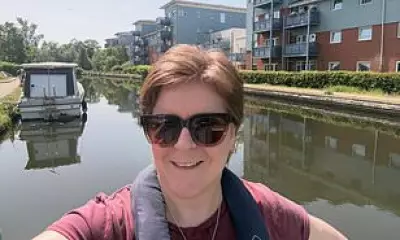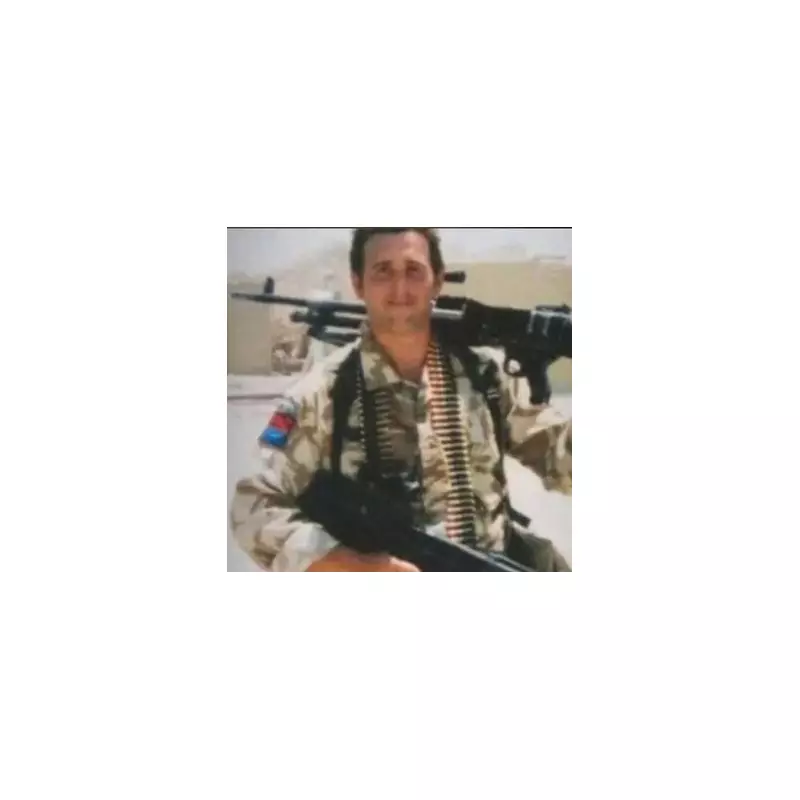
An emotional mother whose son sustained catastrophic injuries while serving in Afghanistan has spoken out forcefully on BBC Breakfast following controversial remarks made by former US President Donald Trump about NATO forces.
Mother's Emotional Response to Trump's Comments
Diane Dernie, the mother of former paratrooper Ben Parkinson, appeared on the BBC programme on Saturday, January 24, to address Trump's recent comments suggesting that NATO troops had "stayed a little back, a little off the front lines". She described her initial reaction as one of shock and disbelief.
Host Charlie Stayt introduced Diane by noting that her son is widely regarded as the most severely injured British soldier to survive the conflict in Afghanistan. This set the stage for a powerful and personal rebuttal to Trump's claims.

The Harrowing Details of Ben Parkinson's Injuries
Diane provided a detailed account of the incident that changed her son's life forever. "Ben was in Helmand Province in 2006, so 19 and a half years ago, when his Land Rover was caught in a landmine explosion," she explained.
The injuries were nothing short of catastrophic:
- 37 separate injuries sustained
- Loss of both legs
- Severe brain injury
- Significant spinal injuries
- Initially given a zero chance of survival by medical professionals
Despite these overwhelming odds, Ben Parkinson survived and has built what his mother describes as a marvellous and worthwhile life. He now raises awareness and funds for military charities while supporting his local schools.
Direct Challenge to Trump's Narrative
Diane made a pointed connection between her son's experience and Trump's comments. "But he didn't pick up those injuries way behind the front line," she stated emphatically, directly contradicting the implication that NATO troops were not fully engaged in combat situations.
When questioned further about her reaction to Trump's statements, Diane elaborated: "Well, when we first read what he's written, it was shock. Disbelief that someone could say something so utterly wrong."
She continued with even stronger criticism after viewing Trump's interview: "But then, when you actually see the interview, when you see his affect, and you listen to his tone of voice, this man just shows utter disrespect, disparaging the effort and the sacrifice that our troops made. And you just wonder how a man in his position can be so wrong."
Political Reactions and Calls for Action
Prime Minister Sir Keir Starmer has already responded to Trump's remarks, branding them "insulting and frankly appalling". Diane expressed appreciation for Starmer's stance but called for more direct action.
"We very much appreciate and agree with everything that Sir Keir Starmer said yesterday, but we want him to address that directly to Donald Trump," she told hosts Charlie Stayt and Rachel Burden.
When Charlie Stayt pressed further, asking what specific step she wanted Starmer to take, Diane was clear in her response: "That's what he should be telling Donald Trump directly. That he should retract and apologise for his comments."
The Broader Context of Military Sacrifice
This emotional interview highlights several important issues:
- The ongoing impact of military service on soldiers and their families years after conflicts have ended
- The importance of accurate historical narratives about military engagements
- The need for political leaders to directly address misleading statements about military sacrifice
- The remarkable resilience of injured veterans who rebuild their lives against overwhelming odds
Ben Parkinson's story serves as a powerful testament to both the sacrifices made by military personnel and their extraordinary capacity for recovery and contribution to society despite severe injuries.
The interview concluded without any indication that Trump would retract or apologise for his comments, leaving Diane Dernie's call for accountability unanswered but powerfully articulated on national television.