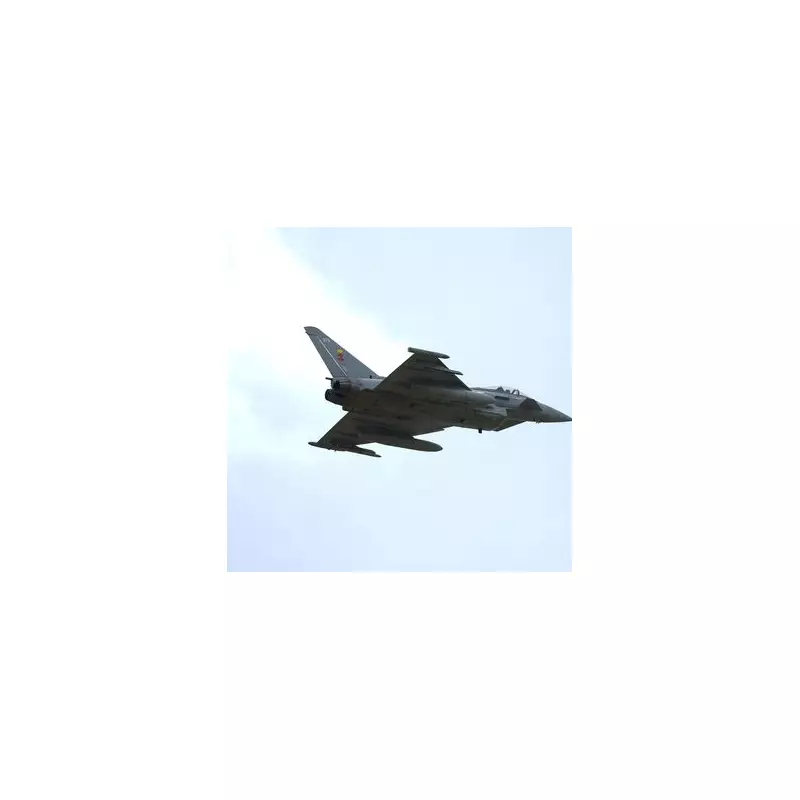
A Royal Air Force Typhoon fighter jet has declared a significant mid-air emergency while operating in the skies above Scotland, prompting immediate safety protocols and drawing attention to military aviation procedures.
Emergency Declared Over Aberdeenshire
The incident unfolded as the Eurofighter Typhoon FGR4, operating under the distinctive callsign "BATMAN11", was returning to its home base at RAF Lossiemouth in Aberdeenshire. The pilot initiated a critical emergency procedure by squawking the transponder code 7700, a universal distress signal used in aviation to alert air traffic control and other aircraft of an urgent situation requiring priority handling.
Flight Path and Location Details
Prior to the emergency declaration, the Typhoon had been conducting operations over the Firth of Forth, near the coastal towns of North Berwick and Dunbar in eastern Scotland. The aircraft then altered its course, turning northward towards Aberdeenshire. This movement suggests the pilot was attempting to return to RAF Lossiemouth when the emergency arose, highlighting the strategic importance of military bases in managing such incidents.

The use of the squawk 7700 procedure is a standard but serious measure in aviation, indicating potential issues such as mechanical failure, medical emergencies, or other hazards that compromise flight safety. The RAF has not yet released specific details on the nature of the emergency, but such events typically involve coordinated responses from ground crews and emergency services.
Broader Implications for Military Aviation
This incident underscores the rigorous safety protocols embedded within RAF operations, where pilots are trained to handle emergencies swiftly to protect both personnel and aircraft. The Typhoon, a multi-role fighter used by the RAF for air defence and ground attack missions, represents a key asset in the UK's defence infrastructure, making any emergency a matter of national security concern.
As investigations likely proceed, this event may prompt reviews of maintenance schedules or operational procedures to prevent future occurrences. It also serves as a reminder of the inherent risks in military aviation, even during routine flights over domestic airspace.