NATO Forces Intercept Russian Drone Near French Aircraft Carrier in Swedish Waters
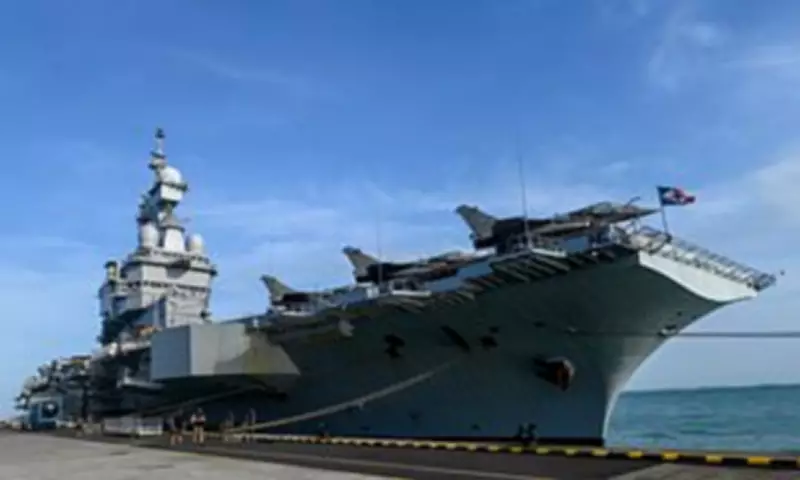
In a significant security incident today, NATO forces were compelled to intercept a Russian drone that was heading directly towards Europe's largest aircraft carrier, the French nuclear-powered Charles de Gaulle, while it was docked in Malmö, Sweden. This alarming event occurred during a strategic naval exercise, highlighting heightened tensions in the Baltic region.
Drone Incident and Swift Response
The Swedish Armed Forces observed the drone launching from a nearby Russian vessel and proceeding towards the 800-foot-long carrier. Swedish operatives promptly initiated a sophisticated jamming operation, which successfully disrupted the drone's systems, causing it to vanish from radar. It remains uncertain whether the unmanned aerial vehicle returned to its origin or crashed into the sea. The Charles de Gaulle, named after the former French president and general, typically accommodates approximately 2,000 sailors and military personnel, along with around 30 fighter jets, making it a high-value target.
Escalating Nuclear Threats from Moscow
This incident follows closely on the heels of a stark warning issued by Russian President Vladimir Putin, who menacingly alluded to the potential for World War Three if Western nations employ any "nuclear element" in attacks against Moscow. Putin asserted that his adversaries are fully aware of the catastrophic consequences that could ensue. Concurrently, Russia's Foreign Intelligence Service (SVR) has levelled unsubstantiated accusations against Britain and France, alleging a clandestine plot to supply Ukraine with nuclear weapons or a "dirty bomb" to alter the dynamics of the conflict.

Broader Context of the Ukraine War
The drone interception unfolds against a backdrop of intense military engagements in Ukraine. Overnight, Russia launched a massive barrage of 420 drones and 39 missiles, including 11 ballistic missiles, targeting critical infrastructure and residential areas across eight Ukrainian regions. This assault resulted in numerous injuries, including children, though official casualty figures are pending. Ukrainian President Volodymyr Zelensky recently engaged in a telephone conversation with US President Donald Trump, expressing gratitude for American efforts in facilitating peace negotiations.
However, these US-brokered talks remain deadlocked, primarily over the disputed territories claimed by Russia. American envoys Steve Witkoff and Jared Kushner are scheduled to meet with Ukrainian security officials to discuss economic support, investment frameworks, and long-term cooperation strategies. Ukrainian and European officials have accused Putin of feigning interest in peace talks to evade additional sanctions while continuing aggressive military operations.
Military Losses and Diplomatic Tensions
According to a United Nations report from September 2025, Russia has suffered staggering losses since its full-scale invasion in February 2022, with over 50,000 soldiers deserting and more than 1.25 million killed or injured—a figure surpassing total American casualties in World War Two. Estimates indicate approximately 157,841 Russian soldiers and 81,721 Ukrainian troops have perished. In response to these challenges, Russia has retaliated against an EU decision to reduce its diplomatic presence in Brussels, labelling the move discriminatory and vowing consequences.
Meanwhile, Ukraine's domestically developed long-range drones have successfully struck oil refineries and military logistics hubs deep within Russian territory. The Russian Defence Ministry reported intercepting 17 Ukrainian drones overnight. As the conflict enters its fifth year, Ukrainian Foreign Minister Andrii Sybiha has urgently appealed for increased military aid from allied nations, condemning Putin's reliance on terror and aggression.
The Kremlin-controlled lower house of parliament has unanimously approved an address urging the United Nations and European legislators to prevent the alleged nuclear plot, despite British and French officials dismissing the claims as baseless fabrications. This incident in Malmö underscores the volatile security environment and the persistent risk of escalation in European waters.