

The United States military is accelerating a substantial and costly deployment of advanced weaponry to the Middle East, with expenditures reaching an estimated £6 million per day. This significant build-up signals preparations for a potential mission targeting Iran's military capabilities or its governing regime, possibly within the coming days.
Massive Military Mobilisation Underway
Central to this operation is the movement of the aircraft carrier USS Abraham Lincoln and its accompanying destroyer escorts, representing the forefront of American naval power. Beyond this carrier strike group, the deployment includes hundreds of millions of pounds worth of sophisticated military assets. These encompass Patriot missile batteries, advanced radar systems, various attack and transport aircraft, and stealth bombers, all being positioned within the US Central Command region.
This command area covers the Middle East, Central Asia, and parts of southern Asia, forming a crucial zone for American global military operations. The scale of this mobilisation suggests an impending action far more extensive than previous US and Israeli strikes, which primarily focused on disrupting Iran's nuclear programme.

Catalyst: Regime Violence Against Protesters
The military escalation comes in response to alarming reports regarding Iran's violent suppression of domestic protests. While Iranian authorities acknowledge several thousand fatalities, human rights organisations have documented over 6,000 confirmed deaths. Opposition sources within Iran suggest the actual toll could exceed 36,000, highlighting the regime's brutal crackdown amid severe economic hardship.
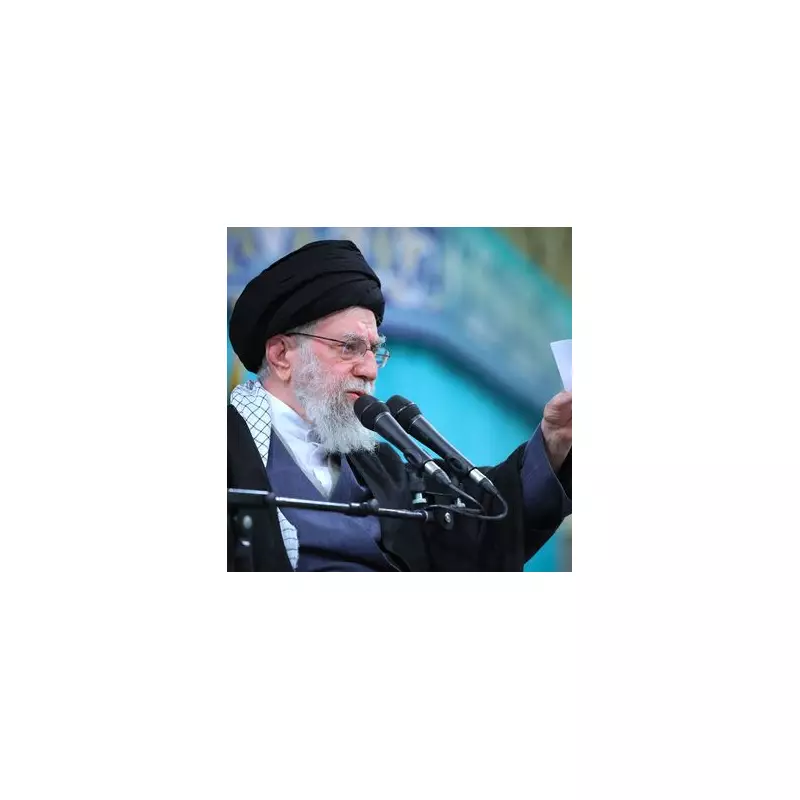
This sustained violence has cultivated profound animosity toward the ruling establishment, potentially creating conditions that American strategists believe could facilitate regime change. However, Supreme Leader Ayatollah Khamenei is reported to have contingency plans, including seeking shelter in fortified bunkers beneath Tehran and arrangements for succession.
Strategic Objectives and Capabilities
The United States possesses formidable long-range strike capabilities that could be employed against Iran. These include the B-2 Spirit stealth bombers, of which nineteen are available, alongside B-1 and B-52 warplanes capable of missions spanning up to 7,500 miles. The presence of a carrier strike group, however, indicates a potential intention to maintain a sustained regional presence post-operation, granting America unprecedented control over the area.
Military analysts suggest several possible scenarios for US action. One involves devastating strikes aimed at dismantling the regime entirely, including its influential Islamic Revolutionary Guard Corps, which boasts over 200,000 members. Alternatively, the US might execute limited, precision strikes while implementing maritime and air blockades to contain Iranian retaliation.
Intelligence Challenges and Timing
Executing such operations requires precise intelligence, which is exceptionally difficult to obtain given Iran's intense security measures. Unless there are high-level informants within the regime collaborating with agencies like the CIA or Israeli Mossad—a possibility that cannot be discounted—gathering actionable intelligence on the locations and movements of key officials remains a formidable obstacle.
The gradual, costly nature of the military build-up may therefore serve a dual purpose: applying immense psychological pressure on the Iranian leadership while allowing intelligence operations time to identify and verify critical targets. This period of escalation also increases expectations on US President Donald Trump, who has publicly assured Iranian opposition groups that "help is on the way."
Geopolitical Stakes and International Reactions
Addressing the Iranian situation represents a longstanding geopolitical challenge that successive US administrations have cautiously avoided. President Trump now faces mounting pressure to act, driven by humanitarian concerns over the treatment of detained protesters and strategic calculations about regional stability. The international community, including demonstrators in London who have publicly burned effigies of the Ayatollah, is watching closely.

As military assets continue to amass, the region braces for a potential confrontation that could reshape the Middle East's political landscape. The coming days will reveal whether this £6 million-a-day deployment culminates in diplomatic resolution or armed conflict.





