The United States has dramatically escalated its military involvement in Nigeria, launching what it describes as "powerful and deadly" airstrikes against Islamic State militants on Christmas Day. The action comes as a direct response to a series of brutal attacks targeting Christian communities in the country's northwest.
Trump's 'Perfect Strikes' Against 'Terrorist Scum'
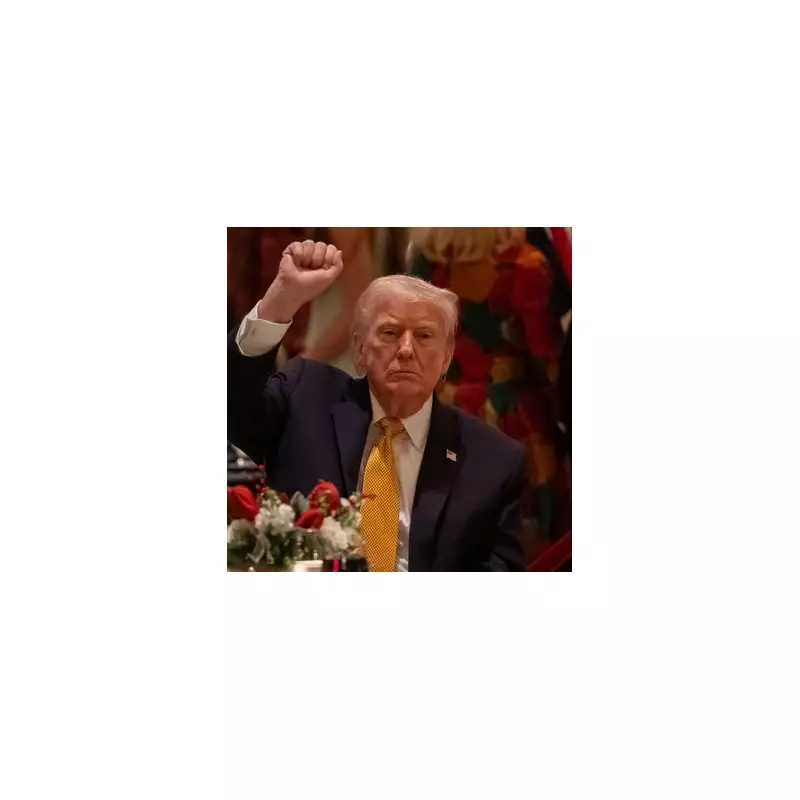
US President Donald Trump confirmed he ordered the offensive, branding the militant groups as "terrorist scum." He stated the militants had been "targeting and viciously killing, primarily, innocent Christians." The President characterised the US response as "numerous perfect strikes" against the terrorists.
The precise extent and impact of the Christmas Day attacks remains unclear, but the operation signals a major shift in US engagement in the region. In a chilling three-word warning posted on social media, America’s Defence Secretary, Pete Hegseth, indicated further action is likely, stating: "More to come..."

The Complex Terror Landscape in Northwest Nigeria
While US and Nigerian officials have not specified the exact group targeted, security analysts believe the strikes were likely aimed at members of Lakurawa, also known as the Islamic State Sahel Province (ISSP). This group has become increasingly lethal in border states like Sokoto and Kebbi over the past year.
The security crisis in Africa's most populous nation is multifaceted. The armed groups include:
- The Islamic State West Africa Province (ISWAP), an offshoot of Boko Haram, active in the northeast.
- The Islamic State Sahel Province (ISSP/Lakurawa), which has expanded from Niger into northwestern Nigeria.
According to researchers, Lakurawa was initially invited by traditional authorities in Sokoto around 2017 to protect communities from bandits. However, analysts like James Barnett of the Hudson Institute note the militants "overstayed their welcome," enforcing a harsh interpretation of sharia law and clashing with local leaders.
Nigerian security researcher Malik Samuel told Good Governance Africa that communities now view Lakurawa as "more oppressive and dangerous than the bandits they claim to protect them from." The group is accused of controlling territories and carrying out killings, kidnappings, rape, and armed robbery.
A Governance Crisis as Much as a Military One
The US strikes are seen as crucial support for Nigeria's overstretched and outgunned security forces, who are battling multiple insurgencies simultaneously. However, experts consistently argue that military action alone cannot resolve the crisis.
Nigeria's Minister of Defence, Christopher Musa, has previously stated that military action constitutes only 30% of the solution. He asserts the remaining 70% depends on good governance.
"The absence of the state in remote communities is making it easy for non-state actors to come in and present themselves to the people as the best alternative government," explained Malik Samuel. Conflict hotspots often correlate with areas suffering the highest levels of poverty, hunger, and unemployment, facilitating easy recruitment for armed gangs.
The situation is further complicated by regional diplomacy. The Nigerian military has stated that Lakurawa has roots in neighbouring Niger. Activity increased in Nigeria's border communities following a 2023 military coup in Niger, which fractured relations between the two nations and hampered multinational military operations along their porous border.
As the US promises further action, the underlying challenges of governance, poverty, and regional instability remain the critical battleground in Nigeria's protracted security war.