

Mother of Wounded Veteran Brands Trump's Afghanistan Comments 'Ultimate Insult'
The mother of Britain's most severely wounded surviving Afghanistan veteran has delivered a powerful condemnation of US President Donald Trump, describing his suggestion that allied troops stayed away from front lines as "the ultimate insult" to those who served and sacrificed.
Family's Anguish Over Presidential Remarks
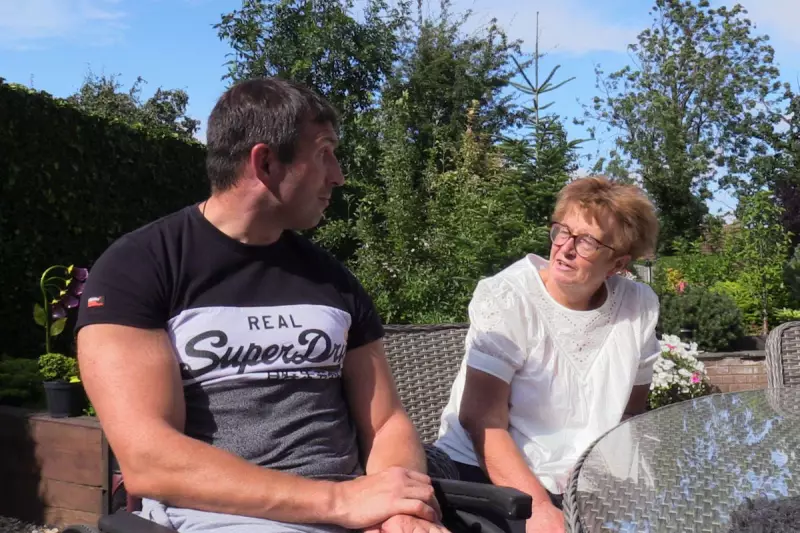
Diane Dernie, whose son Ben Parkinson suffered catastrophic injuries when his Army Land Rover struck a mine near Musa Qala in 2006, has spoken out with raw emotion about the impact of Mr Trump's comments. Her son, a former lance bombardier with 7 Para RHA, lost both legs, suffered a twisted spine and sustained severe brain damage in the blast that changed his life forever.
"I can assure you, the Taliban didn't plant IEDs miles and miles back from the front line," Mrs Dernie stated emphatically, directly challenging the US president's assertion made during a Fox News interview. "To hear this man say: 'Oh, well, you just fannied about behind the front lines'... It's the ultimate insult."

Political Pressure Mounts on Starmer
The grieving mother has called directly on Prime Minister Sir Keir Starmer to confront the American leader over what she describes as "beyond belief" remarks. "He's got to stand up for his own armed forces, and he's got to absolutely refute what Donald Trump said," she insisted. "Call him out. Make a stand for those who fought for this country and for our flag."
Her plea comes as Care Minister Stephen Kinnock confirmed the Prime Minister would address the "deeply disappointing" comments with President Trump, though he suggested this would likely occur through diplomatic channels rather than public confrontation.
Wider Condemnation Across Political Spectrum
The controversy has sparked outrage across Britain's political landscape, with figures from all major parties uniting in defence of British service personnel. Conservative MP Ben Obese-Jecty, who served as a captain in Afghanistan, expressed sadness at seeing "our nation's sacrifice held so cheaply" by the American president.
Labour's Tan Dhesi, chairman of the Commons Defence Committee, described the remarks as "appalling and an insult to our brave British servicemen and women", while Liberal Democrat leader Sir Ed Davey highlighted the irony of Mr Trump, who avoided military service during the Vietnam War, questioning others' sacrifice.
Human Cost of the Conflict
The political storm has brought renewed attention to the human toll of Britain's involvement in Afghanistan. With 457 British military deaths – the second highest coalition casualty count after the United States – and an estimated three times as many seriously injured, the conflict left deep scars on thousands of families.
Ian Sadler, whose 21-year-old son Jack was killed while serving in Afghanistan in 2007, acknowledged that some NATO troops operated differently but was unequivocal about British involvement: "The British certainly were in the hot spots, they were on the front line."
Transatlantic Relations Under Strain
This latest controversy further tests the already strained transatlantic relationship, coming shortly after President Trump's threats to impose tariffs on European nations and his ambitions regarding Greenland. While he later stepped back from additional import taxes following discussions with NATO's secretary-general, the diplomatic damage continues to reverberate.
Former RAF officer and Labour MP Calvin Bailey, who served alongside US special operations units in Afghanistan, stated bluntly that Mr Trump's claim "bears no resemblance to the reality experienced by those of us who served there".
Lasting Legacy of Service and Sacrifice
Nearly two decades after the incident that changed his life, Ben Parkinson continues what his mother describes as a daily battle. "19-and-a-half years on, still fighting for his care, still fighting for him to have a decent life," Mrs Dernie revealed, highlighting the ongoing challenges faced by severely injured veterans long after conflicts end.

As the political debate continues, families like the Parkinsons and Sadlers serve as powerful reminders of the real human consequences behind diplomatic statements and military statistics – and why comments perceived as diminishing that sacrifice provoke such profound hurt and anger.





