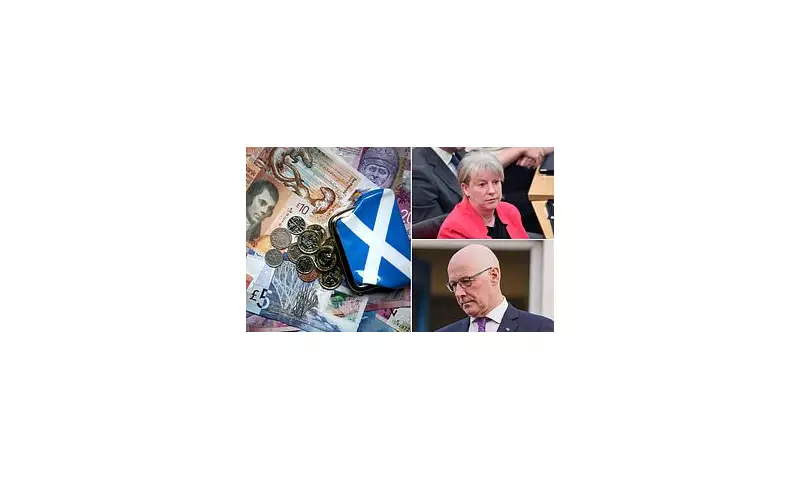
Pressure is intensifying on the Scottish Government to deliver financial relief for both households and businesses in its crucial Budget statement today.
Mounting Demands for Personal Tax Reductions
Finance Secretary Shona Robison is facing urgent calls to cut income tax and adjust the thresholds for higher rates, aiming to protect those on modest incomes. The Scottish Conservatives have led demands for an increase in the point at which the 42p higher rate of income tax kicks in, currently applied to earnings between £43,663 and £75,000.
Scottish Tory leader Russell Findlay argued that years of rising bills under the SNP have left households and businesses struggling. He emphasised that stealth taxes have pulled hundreds of thousands of middle earners into higher bands just as their living costs have soared. Findlay stated it is "absolutely critical" that First Minister John Swinney listens and provides a break.

A particular point of contention is the effective 50p marginal tax rate applied to earnings between £43,663 and £50,270, resulting from the combined impact of income tax and national insurance. Ms Robison acknowledged understanding these concerns but defended the progressive tax system, linking it to funding public services and poverty reduction.
Business Crisis and Rates Rebellion
The business community is issuing stark warnings, with the Federation of Small Businesses (FSB) publishing new research showing the growing tax burden is the primary driver of the costs crisis for firms. Their study reveals that 59 per cent of small businesses identify tax as a key cause of rising costs.
Ministers are under specific pressure to intervene in a looming business rates revaluation set for April, which could see some firms' bills nearly triple. Business leaders are demanding a permanent reduction for the hard-hit retail, hospitality, and leisure sectors, mirroring support offered in England.
Guy Hinks, FSB Scotland chairman, warned that "eye-wateringly increased rates bills" in April would be catastrophic for small firms already battling a costs crisis. He called for practical steps in the Budget, including reducing the rates multiplier and restoring reliefs through the Small Business Bonus Scheme.
Government's Defence and Priorities
Despite the pressure, Shona Robison has committed to no changes to income tax rates and bands in this Budget, as previously outlined in the government's tax strategy. She accused the Conservatives of proposing "unfunded tax cuts" that would necessitate slashing spending on the NHS, local government, and education.
Robison stated her Budget's key priorities would be investing in the NHS, addressing cost-of-living pressures, growing the economy, and tackling the climate emergency. She highlighted the benefits of Scotland's social contract, including lower council tax, cheaper housing, free university tuition, and free prescriptions.
When questioned on the sustainability of a soaring social security bill—projected to rise from £6.22 billion this year to £9 billion by the decade's end—Robison asserted it was sustainable and a reflection of a society that supports its most vulnerable citizens.
The stage is now set for a pivotal Budget announcement, with the Finance Secretary tasked with balancing political pressure for immediate relief against her government's commitment to its tax-and-spend priorities.