First Minister John Swinney has robustly defended his government's tax and spending plans for 2026-27, insisting they deliver crucial support for families during the ongoing cost-of-living crisis. The Budget, unveiled at Holyrood on Tuesday 13 January 2026, includes a headline increase to the Scottish child payment for the youngest children, alongside investments in childcare and public services.
Targeted Support for Families
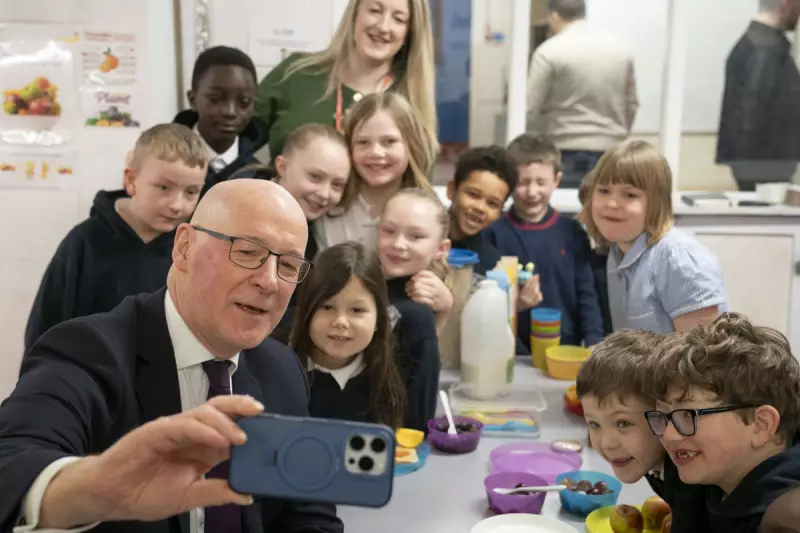
Speaking during a visit to a primary school breakfast club in Leith, Edinburgh on Wednesday, Mr Swinney emphasised his "determination to eradicate child poverty". He stated the Budget is designed to "put in place the support that families need, all families need, at a time when income is under such pressure".
The key measure for low-income households is an increase in the Scottish child payment. Under the plans, this weekly benefit will rise to £40 a week for babies under the age of one. However, this change is not scheduled to take effect until April 2027.

The Scottish Government also promises more support through the expansion of free primary school breakfast clubs, enhanced wraparound childcare, and a "summer of sport" initiative offering free activities for young people. Mr Swinney argued these facilities provide a practical way to help parents access employment, forming part of a broader strategy against child poverty.
Charities Warn of Insufficient Scale
Leading poverty campaigners have responded with significant criticism, warning the plans lack the scale and urgency required. John Dickie, Director of the Child Poverty Action Group in Scotland, pointed out that the increase for under-ones "won't kick in for over a year". He added that limiting the rise to babies "leaves the vast majority of children without any additional financial support".
Chris Birt, Associate Director for the Joseph Rowntree Foundation in Scotland, was similarly unimpressed. He stated that the rest of the poverty-related funding announced "doesn't meet the scale of action required" and highlighted a "disappointing lack of detail" on how the money will be spent. "There is still a lot of work to be done if we are to meet Scotland's child poverty reduction targets," he warned.
Public Services and Police Funding Under Scrutiny
The Budget has also faced scrutiny over its provisions for public services. While the First Minister pointed to real-terms increases for the NHS and local councils, along with strong settlements for police and fire services, trade union Unison Scotland claimed it does "not go far enough to address the deepening crisis".
A specific warning came from the Scottish Police Federation (SPF), which represents frontline officers. They stated that the £90 million funding increase for Police Scotland falls "well below" what is necessary. The force had requested an additional £138.6 million to maintain current staffing levels.
SPF General Secretary David Kennedy argued that "in real terms policing continues to fall behind", leading to fewer officers on shift and slower response times. "At its core, this Budget does not match the scale of the challenge," he concluded.
In his defence, Mr Swinney cited progress in the NHS, noting "six consecutive months of falls" in long waiting times as a result of government prioritisation. He maintained that the Budget represents a balanced package of direct financial support and measures to aid employment, aiming to assist families "when they need that assistance most".