Finance Secretary Shona Robison has unveiled a Holyrood Budget that critics claim entrenches a deep-seated suspicion of wealth and success in Scotland. The tax-and-spend plans, announced this week, introduce new levies on private jets and high-value homes while freezing income tax thresholds, drawing fierce criticism from business leaders who warn of a damaging "skills drift."
A Budget Built on Redistribution
The centrepiece of the Scottish Government's financial statement was a series of measures squarely aimed at those with the deepest pockets. From 2028, a new annual tax will be applied to residential properties valued over £1 million, a move branded a 'mansion tax' by opponents. The government estimates this will raise approximately £15 million annually, though a third of that sum will be absorbed by the cost of a necessary council tax revaluation.
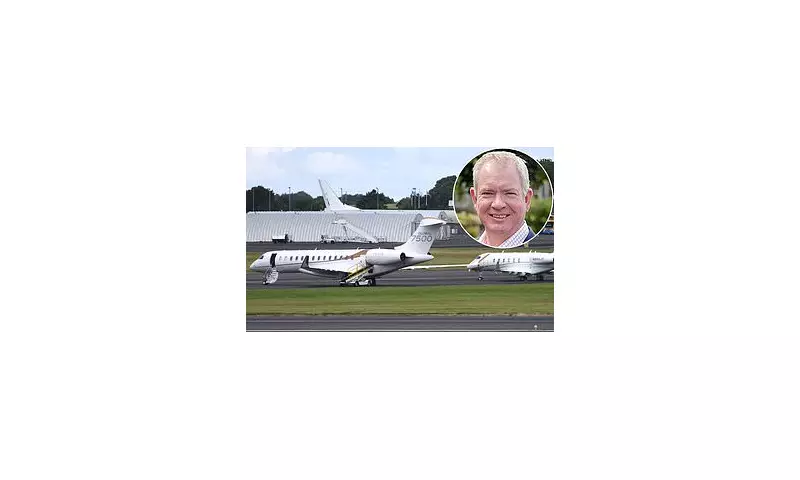
In a more symbolic gesture, a new levy was announced for owners of private jets when they land in Scotland. While the direct revenue from this tax is expected to be minimal, its message was interpreted by many as a clear signal: ostentatious wealth is unwelcome.

For the broader population of higher earners, the pain will be felt through fiscal drag. Ms Robison has committed to freezing the higher, advanced, and top rates of income tax until April 2029. This policy, combined with inflation, is projected to pull an additional 100,000 Scots into higher tax brackets in the current financial year alone.
Consequences for Business and Public Services
The reaction from Scotland's commercial sector was one of profound disappointment. Leon Thompson, of UK Hospitality Scotland, stated the Budget had "missed the mark spectacularly on business support," leaving the industry without meaningful aid following recent damaging property revaluations.
Business leaders also renewed warnings over the growing "skills drift" as the tax differential between Scotland and England widens for high earners, making it harder for firms to attract top talent. Meanwhile, Police Scotland sounded the alarm over a £130 million funding shortfall which the chief constable says is essential to maintain current staffing levels, a request the Finance Secretary declined to meet.
Amidst the tax rises, some spending increases were confirmed. The Scottish Child Payment will rise to £40 per week for children under one, and all primary schools are to receive funding for a breakfast club. However, analysis by the Institute for Fiscal Studies suggests local authority funding will fall in real terms, potentially forcing councils to raise council tax by around 8% just to maintain services.
Short-Term Politics vs Long-Term Prosperity
With a Holyrood election looming in May, commentators were quick to label this a pre-election Budget designed to appeal to the widest possible electorate in the short term. The strategy of funding popular giveaways by targeting a wealthy minority is seen as politically safe, garnering support from a public sector-focused "civic Scotland" and voters accustomed to state-provided benefits.
Critics argue this approach is economically myopic. They contend that persistently punishing financial success through taxation risks driving ambitious individuals and their capital out of Scotland. The Budget has extinguished hopes that First Minister John Swinney would mark a decisive break from the anti-business posture often associated with the previous Sturgeon administration and its pact with the Scottish Greens.
The ultimate cost, opponents warn, could be a less dynamic economy and a population increasingly dependent on the state. As the gap between symbolic taxes on private jets and meagre weekly gains for the poorest highlights, the vision for a thriving, modern Scottish economy appears, for now, to have been sidelined in favour of electoral calculation.