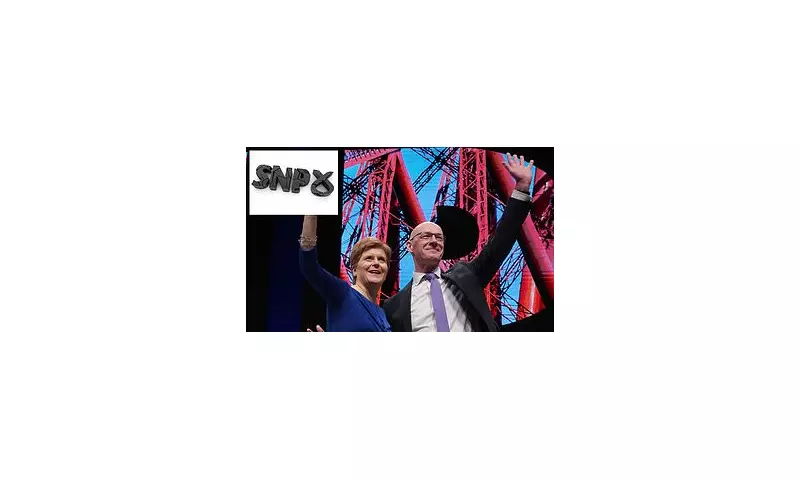
First Minister John Swinney has declared his intention to be a 'long-term' leader for Scotland, aiming to serve a full term if re-elected in May and stand again in 2031. For critics of the Scottish National Party, this prospect offers a depressing forecast of continued political stagnation, with the upcoming Holyrood election framed as an unmissable opportunity for change.
A Forecast of Permafrost and Paralysis
Opponents argue that nearly two decades of SNP governance have acted like a permafrost on Scottish public life, leading to what they describe as paralysis and inertia. They point to a systemic aversion to meaningful reform, driven by a fear of upsetting party special advisers. This environment, they claim, has resulted in a management culture focused on managing decline rather than driving improvement.
The state of the National Health Service in Scotland is a primary exhibit. Audit Scotland has judged the NHS to be 'financially unsustainable'. A recent newspaper profile of NHS chief executive Caroline Lamb, who earns over £200,000 annually but is rarely seen on hospital front lines, included a revealing insight. A political insider noted a 'weariness in the civil service about suggestions of any reform that might rattle a special adviser to the SNP'.

Independence Focus and Fiscal Black Holes
While public services strain, the SNP's flagship policy remains independence. However, its recent £30,000 'Fresh Start' independence relaunch has been labelled a humiliating flop. The campaign group Scotland in Union found that only 3,934 people across the UK browsed the online prospectus in its first 33 days, with some days attracting as few as 28 readers. Critics dismiss the proposals as rehashed ideas that still fail to address fundamental questions from the 2014 referendum, such as currency.
Meanwhile, Scotland's finances are under severe pressure. The Scottish Fiscal Commission projects that, over a 40-year view, Scottish public spending will exceed funding by an average of 4.1% annually—a sharp deterioration from estimates made just last April. The nation faces a £5 billion fiscal hole, larger than the annual budgets for transport or policing. Devolved social security spending is also set to soar, from £6.22 billion this year to an estimated £9 billion annually by the end of the decade.
Soft Interviews and a Lack of Scrutiny
Critics also highlight a lack of robust media and political scrutiny. A recent interview with Mr Swinney on the popular podcast 'The Rest is Politics', hosted by former New Labour strategist Alastair Campbell and ex-Tory minister Rory Stewart, was cited as an example. The hosts admitted they hadn't prepared on Scottish education, allowing the First Minister an unchallenged platform. This docile approach, mirrored in parts of the mainstream media and compounded by a weak opposition at Holyrood, fuels a perception that there is no effective check on SNP power.
With taxes in Scotland already the highest in the UK and the threat of further hikes in the upcoming Scottish Budget, business confidence remains fragile. Deputy First Minister Kate Forbes, touted as a business expert, once suggested new firms set up in cupboards to cut rates—an idea that critics say exemplifies a lack of serious economic strategy.
Polling day in May 2024 is therefore presented by opposition voices as a critical juncture. It is seen not just as a chance to change the government, but to alter Scotland's trajectory and end what they term a long spell of torpor under the 'yoke of toxic nationalism'.