Actor Defends BAFTA Outburst, Highlights Tourette's Reality Amid BBC Editing Row
Scottish actor Thierry Mabonga, who portrayed John Davidson's lawyer in the film I Swear, has publicly defended the Tourette's campaigner following his controversial N-word outburst during the BAFTA ceremony. Mabonga, born in the Democratic Republic of Congo, argued that actors should have been warned about Davidson's condition, which causes involuntary vocal tics.
Controversial Incident at Royal Festival Hall
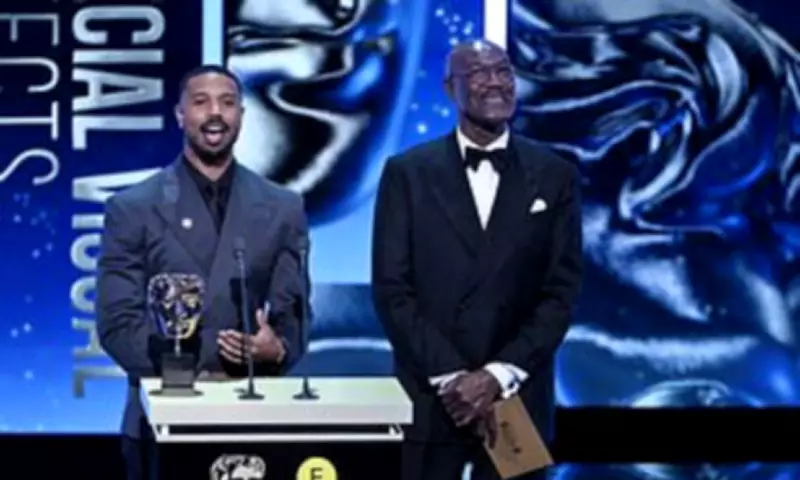
During Sunday night's BAFTA awards at London's Royal Festival Hall, Davidson was heard yelling the racial slur while black actors Michael B. Jordan and Delroy Lindo presented the first prize. The incident occurred despite the BBC implementing a two-hour broadcast delay. Davidson, who has suffered from severe Tourette's since age twelve, left the ceremony early after multiple outbursts.
BAFTA host Alan Cumming later apologised to viewers, stating: 'We apologise if it has caused offence.' The BBC has since admitted the slur should have been edited out prior to broadcast and removed the awards ceremony from iPlayer while editing the offensive language.

Mabonga's Defence and Educational Mission
In a TikTok video response to the backlash, Mabonga discussed his role in I Swear, where he portrays Davidson's lawyer while enduring offensive verbal tics from his client. 'This is the condition, the disease of Tourette's Syndrome. John cannot control what he says,' Mabonga explained. 'We've made this film to educate people about Tourette's syndrome.'
The actor emphasised Davidson's right to attend the ceremony, stating: 'This is a film about his life. Absolutely he has to be there.' He questioned whether attending actors had been properly informed about Davidson's presence and condition, suggesting advance warning might have prepared them for potential incidents.
BBC Editing Controversy and Political Speech Removal
The broadcasting corporation faces mounting criticism for its editorial decisions during the BAFTA coverage. While Davidson's involuntary slur remained in the broadcast, the BBC edited out filmmaker Akinola Davies Jr's declaration of 'Free Palestine' during his acceptance speech for outstanding British debut.
This selective editing has sparked outrage among viewers, with many questioning why the racial slur was aired while political statements were removed. Conservative leader Kemi Badenoch described the BBC's decision as a 'horrible mistake' and demanded explanations for why the offensive language wasn't bleeped out.
Industry Reactions and Charity Response
The incident has drawn mixed reactions from celebrities and industry professionals. Oscar winner Jamie Foxx condemned Davidson's outburst as 'unacceptable,' while Wendell Pierce, Jordan's former co-star on The Wire, demanded immediate apologies to the presenting actors.
Charity Tourette's Action issued a statement acknowledging the hurt caused by such language while emphasising the involuntary nature of tics. 'They are not a reflection of a person's beliefs, intentions or character,' the charity stated, expressing pride in Davidson and the educational film about his life.
Production Team Experiences and Ongoing Debate
Sinners production designer Hannah Beachler revealed she experienced Davidson's involuntary racial slurs three times during the BAFTA events, including once directed at herself. Beachler criticised what she described as 'the throw away apology' offered during the ceremony.
Ed Palmer, vice chairman of Tourettes Action, suggested on Times Radio that bleeping offensive language in pre-recorded broadcasts might represent a reasonable compromise, while emphasising the importance of compassion and understanding toward those with the condition.
Broader Context and Historical Precedents
The controversy follows previous BBC editorial challenges, including last year's incident involving band Bob Vylan's 'Death to the IDF' chant at Glastonbury, which prompted apologies from former director-general Tim Davie. The corporation had announced increased monitoring of politically charged speeches ahead of this year's BAFTAs.

As the debate continues, Mabonga concluded his defence simply: 'Regardless, John has Tourette's. Enough said.' The incident highlights ongoing challenges in balancing disability awareness with protection from offensive language in broadcast media.