Albanese Breaks Silence on Trump as US Alliance Faces Unprecedented Strain
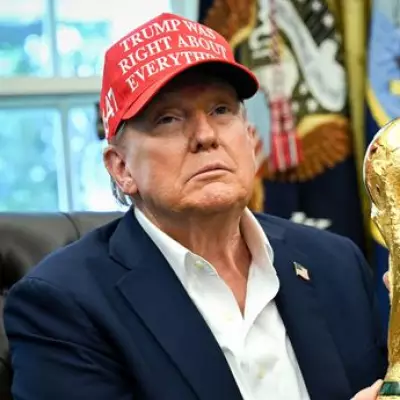
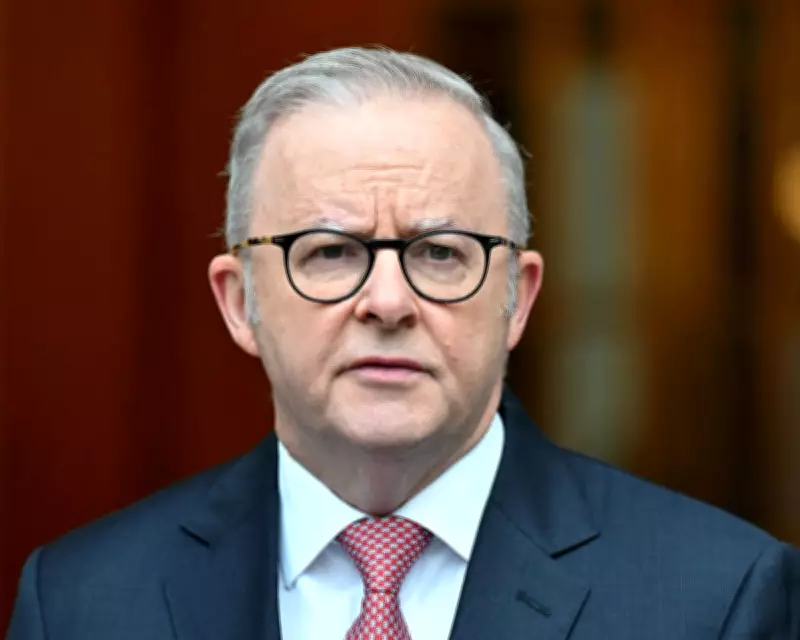
In a significant departure from his typically reserved approach, Prime Minister Anthony Albanese has delivered a public message to the Oval Office, urging the United States and Israel to conclude their military campaign in Iran. This unusual intervention comes as the three-week conflict exposes deepening fractures in the Australia-US alliance, with former President Donald Trump making clear that traditional partnerships hold little weight in his administration's calculations.
Economic Fallout and Strategic Risks Mount
The Albanese government is rapidly revising budget forecasts as the conflict threatens to inflict substantial economic damage extending to 2029. Treasury modelling indicates a prolonged war could reduce GDP by 0.6% in 2027, equivalent to approximately $16.5 billion, while inflation may reach 5% this year. Treasurer Jim Chalmers has extended the timeline for reviving sluggish productivity from two to five years, acknowledging the conflict's disruptive impact.
Emergency discussions have been convened with the Council of Financial Regulators, including Reserve Bank governor Michele Bullock and financial regulatory chiefs. Meanwhile, the Australian Competition and Consumer Commission is investigating over 500 reports of potential petrol price-gouging since hostilities began, as fuel shortages threaten agricultural and transport sectors despite government assurances about maintaining supply.

Trump's Alliance Disregard Becomes Explicit
The strategic dimension of the crisis became unmistakably clear when Trump publicly criticized NATO members, Japan, South Korea, and Australia for refusing to deploy naval assets to secure the Strait of Hormuz, a vital global oil transit route. In a social media post, the former president declared: "We no longer 'need' or desire, the NATO Countries' assistance - WE NEVER DID! Likewise, Japan, Australia, or South Korea."
This disregard for traditional alliances was further highlighted during Trump's meeting with Japanese Prime Minister Sanae Takaichi, where he made controversial remarks about Japan's Second World War attack on Pearl Harbor while accepting effusive praise from his guest. Tokyo officials reportedly calculated that flattery and investment promises might offset their reluctance to commit military resources to the conflict zone.
Albanese's Calculated Intervention
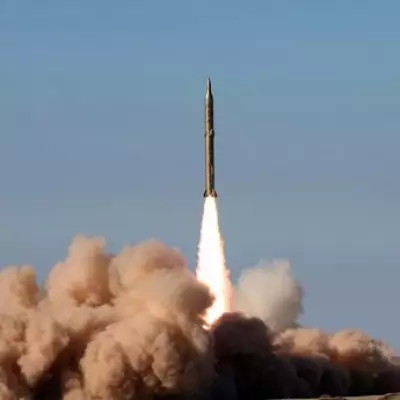
Breaking his customary silence on Trump, Albanese used a radio interview to assert that the original justifications for the war - degrading Iran's nuclear program and missile capabilities - had been achieved, making continued hostilities unnecessary. The Prime Minister expressed hope for a swift conclusion to the conflict, acknowledging that Trump would ultimately make the decision but emphasizing the need for the world to return to "its normal axis."
This diplomatic intervention reflects Albanese's understanding of Trump's psychology, particularly his need for perceived victories and sensitivity to criticism. With difficult midterm congressional elections approaching in November, where Democrats may regain control of the House of Representatives and potentially the Senate, domestic American opposition to the war is growing alongside international condemnation.
Multiple Fronts of Concern for Australia
The risks extend beyond economics and diplomacy. An Iranian projectile recently struck near Australia's headquarters at Al Minhad airbase in the United Arab Emirates, damaging accommodation and medical facilities. The potential involvement of Australian defence personnel in the conflict, even in defensive roles, presents political challenges for a government that initially endorsed the US-Israeli bombing campaign.
Within Labor ranks, discomfort is growing about Australia's alignment with Trump's approach, though criticism remains muted. The situation presents particular challenges for incoming ambassador Greg Moriarty, who faces the difficult task of navigating Australia's relationship with a fundamentally transformed Washington as he prepares to replace Kevin Rudd on April 1.

As lightning and heavy rain fell outside an upmarket Canberra restaurant where public service chiefs gathered to farewell Moriarty, the cheerful mood inside belied the serious challenges ahead. How effectively Albanese and his government manage this strained alliance with an increasingly unpredictable United States could significantly reshape Australian politics and foreign policy for years to come.