Albanese's Singapore Diplomacy: A Strategic Move for Fuel Security
In a departure from conventional political wisdom, Prime Minister Anthony Albanese embarked on an overseas visit to Singapore during a domestic fuel crisis, underscoring the urgency of proactive measures. The trip, focused on securing energy supplies, did not result in immediate shipments of diesel or petrol, but it achieved a significant diplomatic victory: a firm commitment from Singapore to maintain fuel exports to Australia.
Securing Assurances in a Volatile Global Landscape
Singapore, which supplies 55% of Australia's unleaded petrol, 22% of jet fuel, and 15% of diesel, provided a crucial pledge through Prime Minister Lawrence Wong. Wong stated, "we do not plan to restrict exports ... we will not do so during this energy crisis," offering near-ironclad guarantees against supply reductions. This assurance is vital as Australia faces potential disruptions from the ongoing Middle East conflict, including risks like the closure of the Strait of Hormuz.
Energy Minister Chris Bowen highlighted the nuanced nature of such diplomatic statements, describing Wong's response as "as strong as you could expect it to be." However, Wong's caveat—that supplies depend on "upstream supplies continuing"—emphasizes the underlying uncertainty. Singapore relies on imported crude oil, meaning any interruptions in its supply chain could indirectly impact Australia.

Planning Ahead for Uncertainty
The government's strategy involves projecting calm while preparing for worst-case scenarios. Albanese noted, "What we have done consistently here is not to wait ... we've looked at every possible opportunity to increase supply." This approach includes leveraging Australia's exports of LNG and coal to reinforce mutual dependencies with partners, engaging diplomatically with other fuel suppliers like China and Brunei, and underwriting new fuel shipments for domestic refineries.
Albanese warned of "a difficult period ahead," noting that even if the Strait of Hormuz reopens, long-term effects from shipping disruptions are inevitable. He stated, "There's been substantial damage in the Gulf and that will have consequences for a period of at least months ahead." This dual perspective allows the government to reassure the public about current fuel stocks while contingency planning for future shortages.
Political Implications and Future Steps
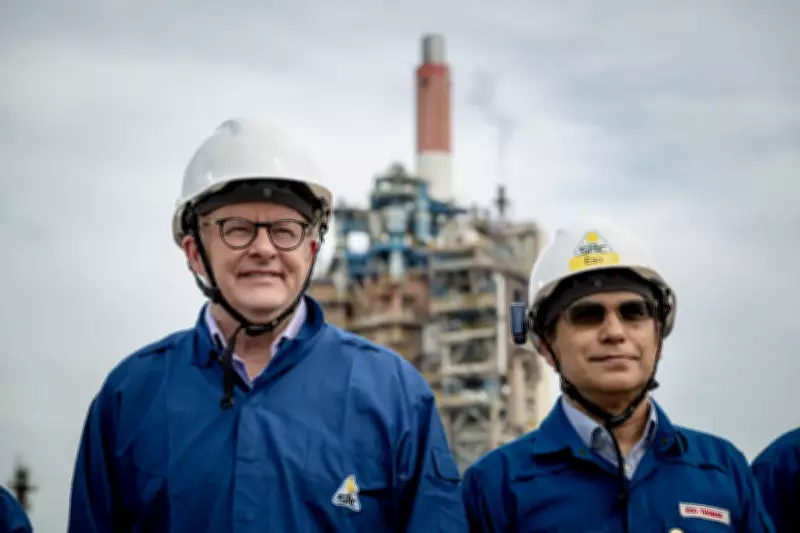
Despite criticism from the Coalition over the lack of tangible fuel imports, the Singapore pledge represents a strategic success. The visit underscores a shift in crisis management, where leaders must engage globally to mitigate domestic risks. Images of Albanese touring refining facilities on Jurong Island and observing LNG shipments symbolise a hands-on approach to energy security.
Looking forward, the government aims to increase certainty around diesel supply, particularly as prices spike despite fuel excise cuts. This trip may yield long-term dividends if the Middle East crisis persists, reinforcing Australia's diplomatic ties and supply chain resilience. In essence, while immediate fuel shipments were not secured, the foundations for sustained energy stability have been strengthened through proactive diplomacy.