Australian Woman Banned from Return from Syrian Camp for Two Years
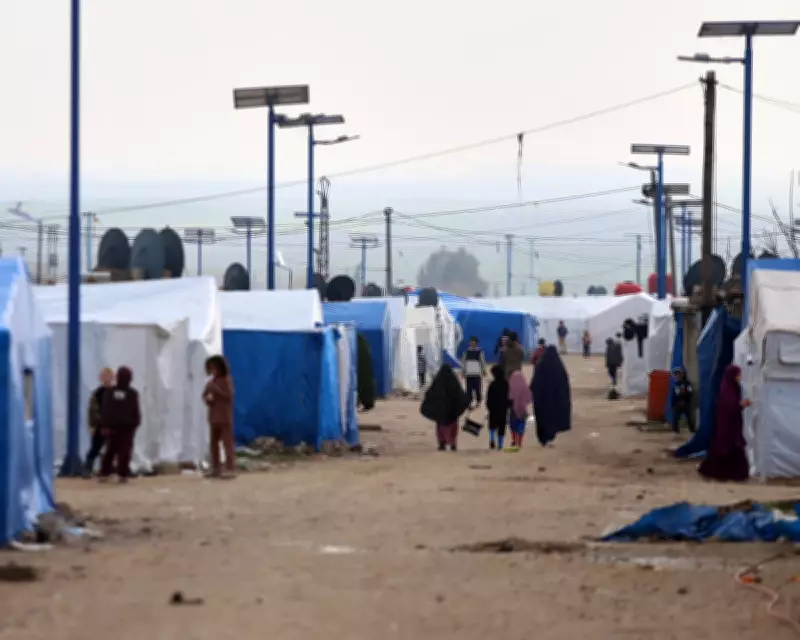
In a significant development concerning the repatriation of Australian nationals from conflict zones, one adult among a group of 34 Australian women and children detained at the al-Roj camp in Syria has been issued a temporary exclusion order. This order prohibits the individual from entering Australia for up to two years, citing security concerns based on advice from intelligence agencies.
The rest of the group, however, has not been assessed as meeting the necessary legal thresholds for such bans, potentially allowing them to re-enter Australia if they can arrange their own travel. This situation has sparked debate over national security and the handling of families associated with Islamic State fighters.
Government Stance on Repatriation
Prime Minister Anthony Albanese has reiterated that his government is not providing any assistance or facilitating the repatriation of these individuals. He emphasized that any actions taken, including the issuance of passports, are merely in compliance with Australian law. "We are providing no assistance to these people, and won't provide any assistance to these people, but we won't breach Australian law," Albanese stated during a press conference.

He further noted the unfortunate circumstances for children involved, attributing their situation to parental decisions. "It's unfortunate that children are caught in this situation, but that's not their decision, it's the decision of their parents or their mother," he added.
Failed Repatriation Attempt and Passport Reports
On Monday night, the group was released from al-Roj camp by Kurdish authorities in anticipation of repatriation to Australia. However, they were forced to return due to poor coordination between their relatives and the Damascus government, according to a camp official. It remains unclear if the Australian government organized this attempt or if the group possesses valid travel documents.
Reports from Nine newspapers suggest that Australian passports were seen in the possession of the group, though this has not been officially confirmed. The Guardian Australia has reported that Home Affairs Minister Tony Burke has been consulting with security agencies regarding the application of temporary exclusion orders.
Security Assessments and Legal Implications
In a statement, Minister Burke confirmed that one temporary exclusion order had been issued based on security advice, while others in the group did not meet the required legal thresholds. He did not disclose the age or gender of the person affected, but it is understood to be an adult. "I can confirm that one individual in this cohort has been issued a Temporary Exclusion Order, which was made on advice from security agencies," Burke said.
Shadow Home Affairs Minister Jonno Duniam has questioned this decision, arguing that if all members traveled to support the same terrorist organization, why only one is deemed a risk. He suggested that laws might need to be changed to lower the threshold for applying exclusion orders.
Concerns Over Children and Travel Complications
Professor Donald Rothwell of the Australian National University has raised concerns about the children of the woman subject to the exclusion order. They may either travel with other women in the group or remain with their mother, potentially complicating their situation. Additionally, the exclusion order could hinder the woman's ability to travel outside Syria, affecting future opportunities to have the order revoked.
Minister Burke also addressed reports about Dr. Jamal Rifi, a Sydney doctor allegedly assisting the group, stating he had no direct knowledge of Rifi's involvement and that any information came from media reports.
As the debate continues, the Australian government maintains its focus on security within legal bounds, while the fate of these women and children remains uncertain amidst ongoing geopolitical tensions.