Bafta 2026: A Night of Unpredictable Drama and Controversial Moments
The 2026 Bafta film awards unfolded as a whirlwind of surprises, snubs, and social tension, defying expectations at every turn. From an unexpected best actor win to a jarring incident involving Tourette's syndrome and racial slurs, the ceremony kept audiences and participants on edge.
The Jaw-Dropping Best Actor Upset
In what many are calling the mother of all upsets, relatively unknown actor Robert Aramayo clinched the leading actor Bafta for his role in I Swear. The film, based on the real-life story of Tourette's activist John Davidson, stormed the awards despite low pre-ceremony expectations. Aramayo's victory over heavyweight contenders like Leonardo DiCaprio, Timothée Chalamet, and Ethan Hawke marks one of the most surprising wins in recent Bafta history, drawing comparisons to Haing S. Ngor's unexpected triumph for The Killing Fields in the mid-1980s.
A Painful Intersection: Tourette's Meets Racism
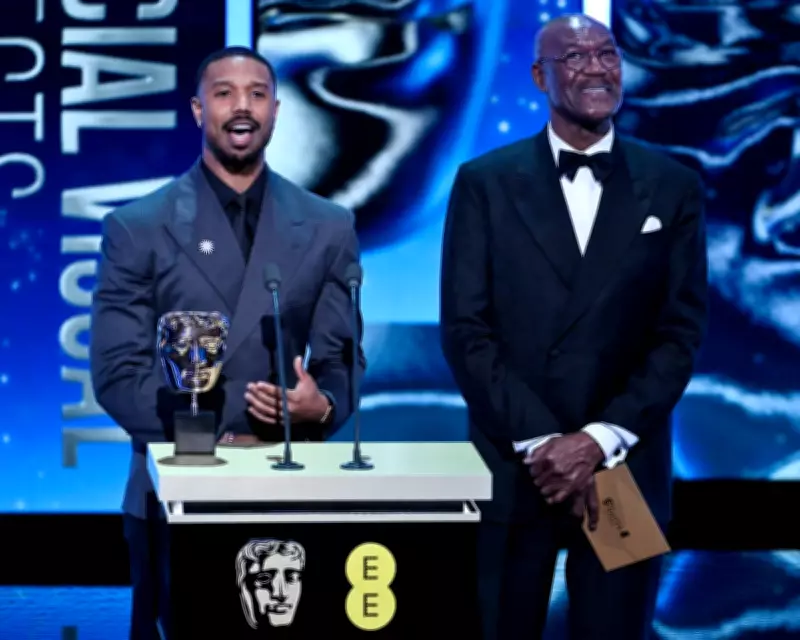
The ceremony took an uncomfortable turn when John Davidson, whose life inspired I Swear, shouted the n-word from the audience during the presentation of the special visual effects award. Actors Michael B. Jordan and Delroy Lindo were on stage at the time, presenting the category. The incident, widely discussed on social media, highlighted the complex collision between neurological conditions deserving of tolerance and the painful realities of racial prejudice. While undoubtedly hurtful to Jordan and Lindo, a sense of understanding about Davidson's condition seemed to prevail, though it created a deeply awkward moment for all involved.

Royal Surprise Amidst Family Scandal
Adding to the evening's unpredictability, Prince William and his wife made an unannounced, glamorous appearance just days after his uncle's arrest for misconduct in public office. The prince deftly avoided shouted questions about Andrew Mountbatten-Windsor, but his presence sparked speculation about a strategic royal effort to divert attention from the monarchy's institutional challenges. William's visibly nervous introduction of a studio legend—whom he appeared unfamiliar with—drew unexpected sympathy from viewers.
Historic Snubs and Category Chaos
The supporting actor category delivered another shock when Sean Penn won for One Battle After Another, despite predictions favoring Stellan Skarsgård. Penn was absent, and no one collected the award on his behalf, leaving Skarsgård looking dejected in the audience. Meanwhile, Marty Supreme, starring Timothée Chalamet, made Bafta history by becoming only the third film ever to receive 11 nominations and win nothing, joining Women in Love (1969) and Finding Neverland (2004).
Hosting Woes and Broadcasting Confusion
Host Alan Cumming faced early criticism on social media for his monologue but redeemed himself with a skit offering British snacks to Hollywood stars and a heartfelt speech on diversity. The ceremony's format also drew ire, as the two-hour delay between the live event and television broadcast led to spoilers and chaotic coverage, with some outlets reporting winners in real-time while others waited for the telecast.
Oscars Implications and Local Pride
While pundits rushed to analyze the Bafta results for Oscar predictions, this year's awards leaned heavily into British stories, making them less indicative of Academy preferences. Robert Aramayo's win is unlikely to translate to Oscar success, but local pride shone through for nominees like Wunmi Mosaku and Jessie Buckley. One Battle After Another emerged as the night's big winner, taking best film, best adapted screenplay, and best director for Paul Thomas Anderson, though its American-oriented competitors may fare differently at the Oscars.
The 2026 Baftas will be remembered not just for its winners, but for the raw, unscripted moments that exposed the tensions between art, identity, and societal norms.