BBC Apologises After Racial Slur Broadcast During Bafta Awards Ceremony
The BBC has issued a formal apology following the broadcast of a racial slur during the Bafta Film Awards ceremony. The offensive language was reportedly shouted by a member of the audience who has Tourette syndrome, a neurological condition characterised by involuntary tics.
Incident During Live Broadcast
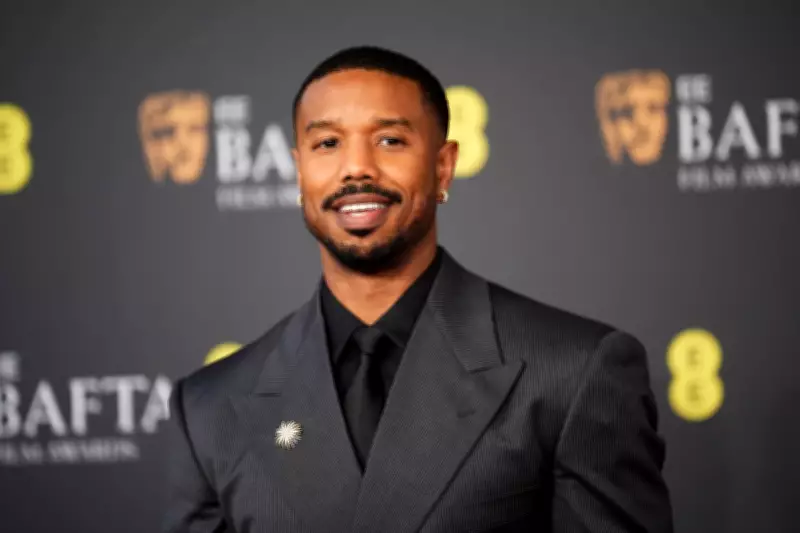
The incident occurred on Sunday evening at London's Royal Festival Hall as actors Delroy Lindo and Michael B Jordan presented the award for special visual effects. During the live broadcast, a racial slur was clearly audible to viewers at home.
A BBC spokesperson stated: "Some viewers may have heard strong and offensive language during the Bafta Film Awards 2026. This arose from involuntary verbal tics associated with Tourette syndrome, and was not intentional. We apologise for any offence caused by the language heard."

Presenter's On-Air Explanation
During the ceremony, presenter Alan Cumming addressed the situation directly with viewers. He explained: "You may have heard some strong and offensive language tonight. If you have seen the film I Swear, you will know that film is about the experience of a person with Tourette syndrome."
Cumming continued: "Tourette syndrome is a disability and the tics you have heard tonight are involuntary, which means the person who has Tourette syndrome has no control over their language. We apologise if you were offended."
Connection to Award-Winning Film
The reference to the film I Swear was particularly relevant as the movie tells the story of Scottish Tourette syndrome campaigner John Davidson, who developed the condition at age 12. The film's star, Robert Aramayo, won both best actor and the EE Rising Star award for his performance.
The film also received recognition for best casting during the ceremony, highlighting the increased awareness of Tourette syndrome in the entertainment industry.
Historic Wins for Sinners
The ceremony featured several historic moments, most notably when Sinners director Ryan Coogler became the first black winner of the Bafta for best original screenplay. The film also earned awards for best supporting actress (Wunmi Mosaku) and original score.
Despite these celebratory moments, the broadcast incident has drawn significant attention and prompted the BBC's apology. Bafta, Tourette Scotland, and the actors involved have been contacted for comment regarding the situation.
The incident highlights the challenges of live broadcasting and the need for greater understanding of neurological conditions like Tourette syndrome in public settings.