Brontë Superfans Voice Fury Over Emerald Fennell's Wuthering Heights Interpretation
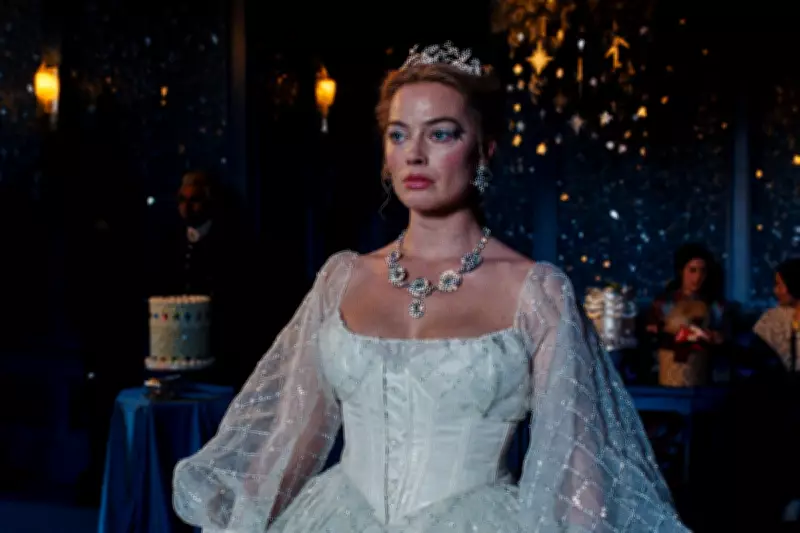
Emerald Fennell's highly anticipated adaptation of Wuthering Heights has sparked intense controversy, particularly among devoted Brontë enthusiasts who are expressing profound disappointment with the film's creative liberties. The movie, starring Margot Robbie and Jacob Elordi, has become one of the year's most divisive cinematic releases, drawing sharp criticism from literary purists.
Casting Decisions Spark Immediate Backlash
The film's casting choices have emerged as a primary point of contention. Book fans have particularly objected to the portrayal of Heathcliff, a character explicitly described as "dark-skinned" in Emily Brontë's original text. Eliza Goodpasture, a Brontë scholar and art historian preparing a new edition of the novel, noted the missed opportunity to address racial themes.
"The total absence of engagement with Heathcliff's ethnicity represents a significant oversight," Goodpasture explained. "His non-white description is remarkably unusual for Victorian literature, and ignoring this aspect diminishes the story's complexity."

Additionally, fans have questioned the age appropriateness of the casting, with Cathy traditionally depicted as a teenager while Margot Robbie brings a more mature interpretation to the role.
Character Transformations Prove Particularly Controversial
Fennell's substantial alterations to key characters have generated substantial criticism within the Brontë community. The complete removal of Hindley Earnshaw, Cathy's villainous brother, has raised eyebrows, while the transformation of Isabella Linton has provoked outright anger.
In the novel, Isabella escapes her abusive marriage to Heathcliff and establishes an independent life in London. Fennell's adaptation reimagines her as a submissive figure engaged in what some viewers interpret as a BDSM dynamic with her tormentor.
"The film essentially turns a domestic abuse survivor into a willing participant in her own mistreatment," commented Kylee Smith, a prominent BookTok influencer and longtime Wuthering Heights enthusiast. "Framing abuse as consensual kink represents a deeply troubling creative choice that undermines the character's original strength."
Emie Grimwood, another Brontë-focused TikTok creator, expressed similar concerns about the characterization. "Isabella possessed tremendous potential as an empowerment figure, even by historical standards," Grimwood noted. "Instead, she's reduced to a submissive archetype, which feels like a betrayal of Brontë's creation."
Literary Themes Overshadowed by Romantic Spectacle
Beyond specific character issues, superfans argue that Fennell's adaptation neglects the novel's core themes in favor of sensationalized romance. The original text's profound exploration of grief, loss, and haunting atmosphere appears largely absent from the cinematic interpretation.
Goodpasture emphasized this thematic departure, noting that Brontë's personal experiences with loss—including the deaths of her mother and two sisters—deeply informed the novel's emotional landscape. "The film's intense focus on romantic toxicity overshadows the gothic elements that define the original work," she observed.
Many enthusiasts believe Brontë herself would have disapproved of the adaptation. "She would have resented having her title attached to this interpretation," Grimwood suggested. "The adaptation reduces Heathcliff and Cathy's complex relationship to mere spectacle between two destructive individuals."
Superfans Opt for Literary Return Over Cinematic Experience
The controversy has led numerous Brontë devotees to boycott the film entirely. Kylee Smith represents this growing sentiment, stating she has no intention of viewing Fennell's interpretation in theaters. "Given the casting decisions and character alterations, I'd rather reinvest my time rereading the original novel," she affirmed.

Despite their criticisms, some fans acknowledge that Brontë might have appreciated certain aspects of the adaptation. Goodpasture speculated that the author, whose own work provoked controversy upon publication, might have valued Fennell's bold directorial approach. "The visual beauty and interpretive courage might have intrigued her," Goodpasture conceded, "though she likely would have objected to the film's claim of being Wuthering Heights."
As the debate continues to unfold across social media platforms and literary circles, Fennell's adaptation has undeniably ignited passionate discussion about artistic license, faithful representation, and the enduring legacy of classic literature in contemporary cinema.