Canada Advocates for Joint G7 and Middle East Approach to De-escalate Iran Conflict
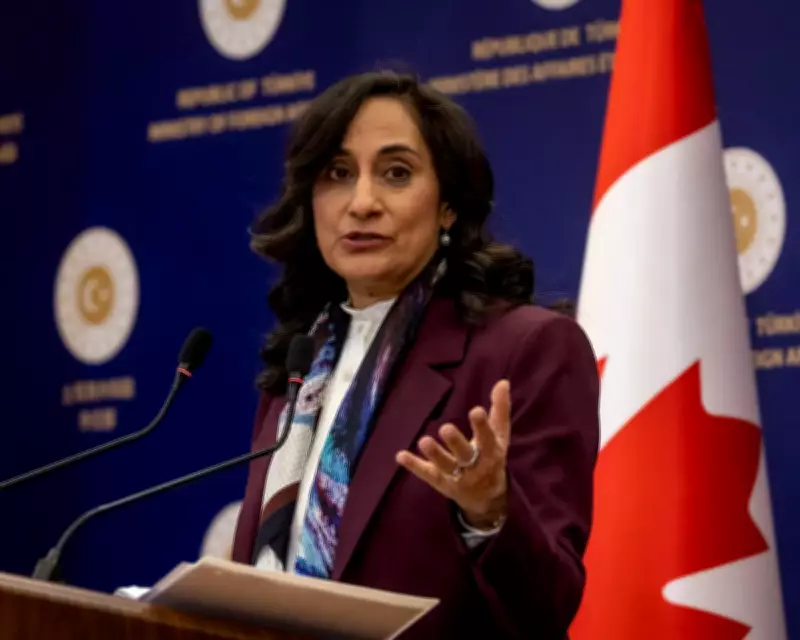
Canada is spearheading a push for a collective G7 and Middle East effort to de-escalate the Iran war, with Foreign Minister Anita Anand emphasising the need for coordinated off-ramps to end the conflict. In London for meetings with UK Foreign Secretary Yvette Cooper and after discussions with Turkish counterpart Hakan Fidan, Anand revealed she has drafted a "document of principles" aimed at reducing regional spillover risks.
Principles for De-escalation and Economic Stability
Anand stated that the document focuses on minimising collateral impacts on non-belligerent states and civilian populations, while mitigating local economic shocks. She is actively sharing these principles with every G7 nation and partners affected by the Middle East crisis, stressing the importance of de-escalation. "It's crucial to have a conversation about off-ramps," Anand said, highlighting her engagement with countries directly impacted by retaliatory strikes to foster a collective discussion.
Diplomatic Challenges and Regional Tensions
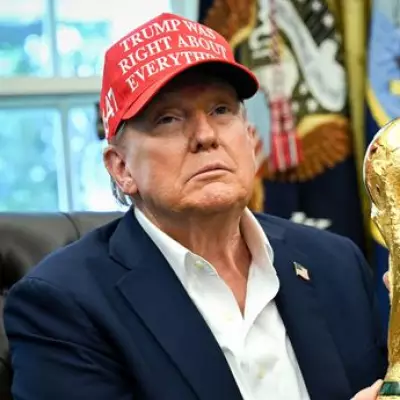
Diplomats acknowledge the extreme difficulty in ending the war, as Iran seeks guarantees against future attacks, which are unlikely in a format Tehran would accept. Trust between the US and Iran is at an all-time low, with former President Donald Trump reportedly setting the reopening of the Strait of Hormuz as a war objective. Anand condemned Iran's response as reprehensible and a breach of international law, while clarifying Canada's non-participation in the US-Israeli offensive.

"We were not consulted on the offensive military operation and have no intention of participating," Anand said. However, she expressed concern over the Strait of Hormuz closure, noting it affects 20% of global oil reserves and disrupts food and energy supply chains.
Canada's Diplomatic Strategy and Middle-Power Alliances
Despite lacking diplomatic relations with Tehran for 15 years and designating the Islamic Revolutionary Guard Corps as a terrorist entity, Canada is home to a large Iranian diaspora. Anand referenced Prime Minister Mark Carney's speech at the World Economic Forum, which called for middle powers to be more active against major hegemons. She noted that Carney's message resonates with diplomats, advocating for like-minded countries to unite for greater influence.
Anand explained that middle-power alliances would be pragmatic and issue-specific, citing examples such as the coalition in Ukraine, Nordic five plus Canada on Arctic sovereignty, and collaborations with Australia and India on information technology. She denied that Canada's diplomatic efforts are solely driven by strained relations with Trump, but acknowledged a policy of trade diversification since early 2025, with over 12 trade agreements signed across four continents in six months.
Defence Initiatives and Future Negotiations
As a former defence minister, Anand also urged the UK to join the Defence Security and Resilience Bank, with charter negotiations scheduled in Montreal next week. This bank aims to provide capital for defence firms scaling up to meet increasing demand, reflecting Canada's broader strategy to enhance security cooperation amid global tensions.