China has positioned itself as the principal mediator in a renewed effort to secure peace between Thailand and Cambodia, following weeks of intense and deadly clashes along their disputed border. The rival Southeast Asian nations agreed to a fragile ceasefire over the weekend, a move solidified during trilateral talks hosted by Beijing in its southwestern Yunnan province.
A Hard-Won Truce After Devastating Clashes
The latest round of fighting, which erupted earlier this month after the collapse of a previous ASEAN-brokered truce, proved catastrophic. It resulted in at least 101 fatalities and forced more than half a million people from their homes, creating a severe humanitarian crisis in the border region. The ceasefire that halted the violence on Saturday was the second attempt since late October, underscoring the fragility of the situation.
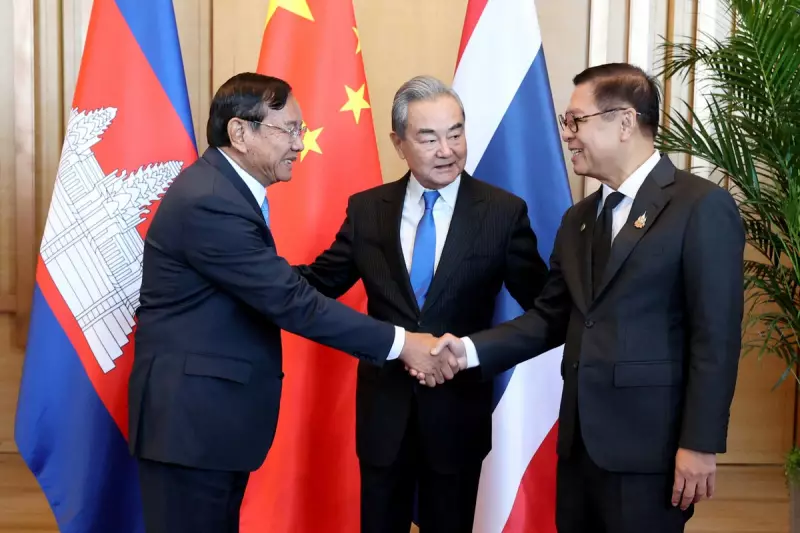
In a significant demonstration of its diplomatic ambitions, China convened the foreign and defence ministers of both nations for talks on Sunday and Monday. Chinese Foreign Minister Wang Yi presided over the discussions in Yuxi, Yunnan, describing the resulting ceasefire as "hard-won." He issued a stern warning against backsliding, urging the governments not to abandon the truce or permit a renewed outbreak of violence.
China's Central Role in Regional Diplomacy
The talks, and the official statements that followed, notably centred China's role while making no reference to earlier mediation efforts by the Association of Southeast Asian Nations (ASEAN). A statement from Mr Wang declared that discussions between the three parties were "beneficial and constructive" and had reached an important consensus. China also pledged immediate humanitarian assistance for displaced people in the affected areas.
A joint communique, released by China's state news agency Xinhua, stated that Thailand and Cambodia would "rebuild political mutual trust, achieve a turnaround in relations, and maintain regional peace." This framing positions Beijing as an indispensable architect of stability, a contrast to the earlier failed ceasefire negotiated on the sidelines of an ASEAN summit with US involvement.
Next Steps and Bilateral Commitments
Mr Wang emphasised that implementing the ceasefire and restoring relations must be a gradual process requiring continued dialogue. Both neighbouring countries expressed cautious optimism. Cambodian Foreign Minister Prak Sokhonn said the truce should allow for the resumption of previously agreed dispute-resolution mechanisms.
Thai Foreign Minister Sihasak Phuangketkeow voiced hope for lasting peace, with the Thai foreign ministry later noting that China had "volunteered to act as a platform" for the peace efforts. Practical measures under the agreement include honouring international bans on landmines—a key Thai concern—and providing for the repatriation of captured Cambodian soldiers.
The Thai ministry added that it would consider releasing 18 detained soldiers after a 72-hour ceasefire observation period, requesting that Cambodia facilitate the return of Thai citizens near the border. In a telling statement to troops, Cambodian Prime Minister Hun Manet acknowledged that while the army could keep fighting, "as a small country, we still have nothing to gain from prolonging the fighting for a long time."