Cyprus President Demands 'Frank Discussion' on Future of British Sovereign Bases
Cyprus President Calls for Talks on British Bases Future

Cyprus President Demands 'Frank Discussion' on Future of British Sovereign Bases

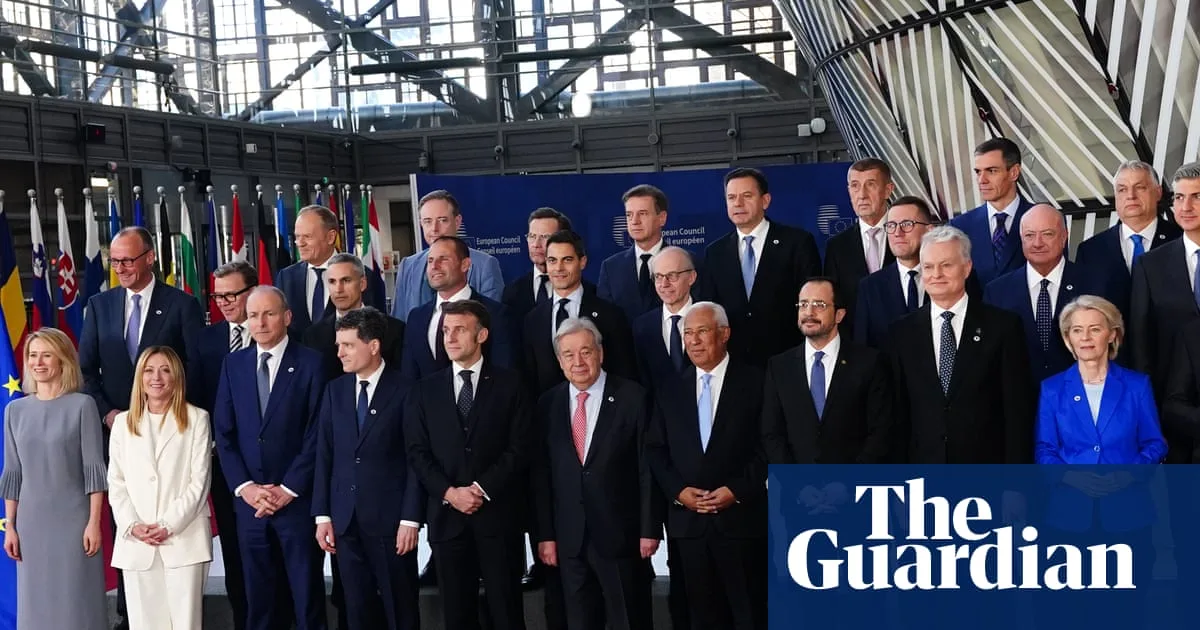
Cypriot President Nikos Christodoulides has publicly called for an "open and frank discussion" regarding the future of Britain's military bases on the island nation, once the ongoing crisis in the Middle East has been resolved. Speaking outside a European Council meeting in Brussels on Thursday, Christodoulides described the two bases as a "colonial consequence" that requires serious re-evaluation.

Colonial Legacy Under Scrutiny

When questioned by reporters about whether he wanted the bases removed entirely, President Christodoulides declined to specify his exact demands publicly but emphasized the need for substantive dialogue. "I'm not going to put my request publicly, but we need to have an open and frank discussion," he stated firmly. "The British bases in Cyprus are something that is a colonial consequence on the island."

The president highlighted the significant Cypriot population living within the bases' territories, noting that "we have more than 10,000 Cypriot citizens within the British bases, we have a responsibility for these people." This demographic reality adds complexity to any discussions about the bases' status and future operations.

Wide Pickt banner — collaborative shopping lists app for Telegram, phone mockup with grocery list

Strategic Importance and Recent Tensions

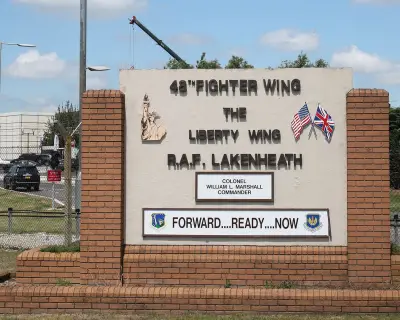
The United Kingdom maintains two sovereign military bases in Cyprus - Akrotiri and Dhekelia - which were established as British territory under the 1960 treaty granting Cypriot independence. These installations have served as crucial strategic assets for British military operations throughout the Middle East region.

Currently, Royal Air Force jets are conducting sorties from these bases to provide protection against Iranian drone threats. However, recent events have strained relations between Cyprus and the United Kingdom. Following a drone strike at RAF Akrotiri earlier this month, concerns mounted when there was a significant delay in deploying a British warship to defend the island.

The destroyer HMS Dragon only commenced its journey last week and has not yet reached Cypriot waters. This incident has amplified existing worries among Cypriots that the military bases might actually compromise the island's security rather than enhance it.

Public Protests and Official Responses

In response to the drone attack and perceived security vulnerabilities, protesters have taken to the streets across Cyprus in recent days, expressing growing unease about the continued British military presence. The incident has reignited debates about whether the bases represent a protective shield or a potential liability for the island nation.

Despite these mounting concerns, British officials have maintained a firm position regarding the bases' status. Armed Forces Minister Al Carns told the House of Commons on Monday that the sovereign bases were "not in question," indicating the UK government's commitment to maintaining its military presence in Cyprus.

President Christodoulides clarified that while he intends to discuss "the status and the future of the British bases" with the British Government, he would not "negotiate publicly" about specific terms or demands. This diplomatic approach suggests careful preparation for what could become significant bilateral negotiations once Middle Eastern tensions subside.

The situation presents a complex geopolitical challenge, balancing historical colonial legacies against contemporary security realities and strategic military considerations. As Cyprus prepares for these discussions, the outcome could potentially reshape the island's relationship with Britain and alter the strategic landscape of the Eastern Mediterranean region.

Pickt after-article banner — collaborative shopping lists app with family illustration