The Complete Cancellation of David Walliams: Charity Roles Terminated
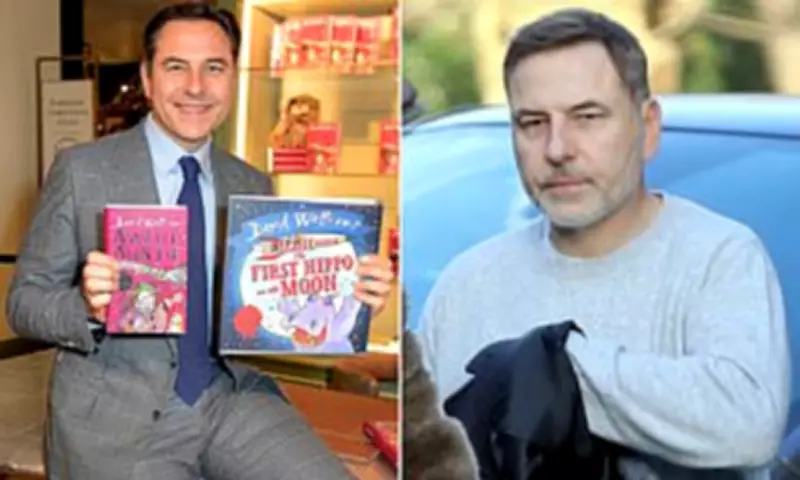
David Walliams, once celebrated as one of Britain's most successful comedians and children's authors, has now experienced what appears to be his complete professional cancellation. The entertainer has been removed from his remaining charity patron and ambassador positions, marking the final stage of a dramatic fall from grace that began with multiple controversies and allegations.
Charity Positions Terminated
Walliams has been officially removed as a director and trustee of The Candy Foundation, a charitable organization established by property developer Nick Candy and his former wife Holly Valance. The position, which Walliams had held since 2020, was terminated earlier this month according to official records.
Additionally, the comedian has been removed from the website of theatre charity MGC Futures, where he previously served as a celebrity patron alongside stars including Dame Judi Dench, Dawn French, Nicole Kidman, Jude Law, Daniel Radcliffe, Sheridan Smith, Aidan Turner and Ben Whishaw.

In December, Walliams was also axed as an ambassador for The Children's Trust, a leading charity supporting youngsters. While he remains listed as a patron, a spokesperson confirmed this week that all patron roles are under review and that Walliams' position has been 'dormant' for fifteen years.
A Career in Freefall
This latest development represents a severe blow to Walliams' public persona, which had long been built around charitable work. The comedian was appointed an OBE in 2017 specifically for his services to charity and had been unusually devoted to the sector throughout his career. He famously swam both the Thames and the English Channel to raise over £1 million for Sport Relief and was a prominent performer in BBC's annual Comic Relief events.
A charity sector source explained the situation: 'He was once one of the most committed celebrities in terms of supporting a large number of charities. But no charity wants to be associated with David Walliams any longer after all the negative headlines - they're just slower to act than larger media companies.'
Multiple Professional Setbacks
These charity snubs come just two months after Walliams was dramatically dropped by his longtime publisher Harper Collins shortly before Christmas. The publisher's new chief executive reportedly became aware of repeated claims about Walliams' alleged inappropriate behavior toward junior female employees. One employee allegedly received a five-figure payout and left the company, while others were reportedly told not to attend meetings with Walliams unless accompanied.
Walliams has denied all allegations, but the publisher's decision ended an extraordinary literary run encompassing 43 titles and 60 million sales across 55 languages. His work had been compared to children's writing icon Roald Dahl, with popular titles like Gangsta Granny and Billionaire Boy adapted into television films.
Television Career Collapse
The cancellation as an author followed his dismissal from Britain's Got Talent three years earlier, where he had served as a judge for over a decade. Walliams left the show after being forced to apologise for making derogatory and sexually explicit remarks about contestants during recording sessions. He was recorded referring to one elderly contestant with offensive language and making inappropriate comments about a female participant.
The production company Fremantle later apologised and settled with Walliams over the leaks, but the damage was done. His relationship with Simon Cowell, who had originally discovered him, reportedly never recovered, and the pair are said to be no longer on speaking terms.
Content Reappraisal and Personal Struggles
Walliams' fall from grace has also prompted widespread critical reappraisal of Little Britain, the BBC sketch show that first made him famous. The program, which he co-created and starred in with Matt Lucas from 2003-2006, has been mired in suggestions that it contained racist, sexist and homophobic content. Netflix, the BBC and BritBox have all removed the show from their platforms, citing changed times.

Particular criticism has focused on a routine from the live tour version where Walliams played predatory children's entertainer Des Kaye, selecting young men from the audience and engaging in inappropriate physical contact. While Walliams has insisted 'not a single person ever complained,' there have since been numerous complaints about the routine's poor taste.
After leaving Britain's Got Talent, Walliams revealed he suffered suicidal thoughts and feared he had 'lost his ability to be funny.' He turned to writing as an outlet, but that door has now closed as well.
Current Endeavors and Diminished Status
As work dried up and mainstream television opportunities vanished, Walliams launched a podcast last year reuniting with Matt Lucas called Making A Scene. The trailer attempted to make light of his troubles, with Lucas teasing: 'Hang on, I thought you were cancelled?'
The comedian's personal appearances have also diminished dramatically. Where he once sold out events to thousands of young readers, he recently hosted a 'storytelling adventure for kids and families' at a pub near his north London home for an audience of under fifty children.
Walliams has navigated this professional collapse as a single man, having been divorced from model Lara Stone for nearly a decade. The couple share a twelve-year-old son. Throughout the ongoing cancellation storm, Walliams has largely stayed off social media, only returning to Instagram once to share a birthday tribute with a media friend.
The loss of his final charity roles represents what appears to be the complete cancellation of David Walliams' public career, marking a dramatic reversal for an entertainer who once dominated British comedy, children's literature, and charitable fundraising.