Reform UK MPs Stage Dramatic Walkout During PMQs After Starmer's 'Disgrace' Remark
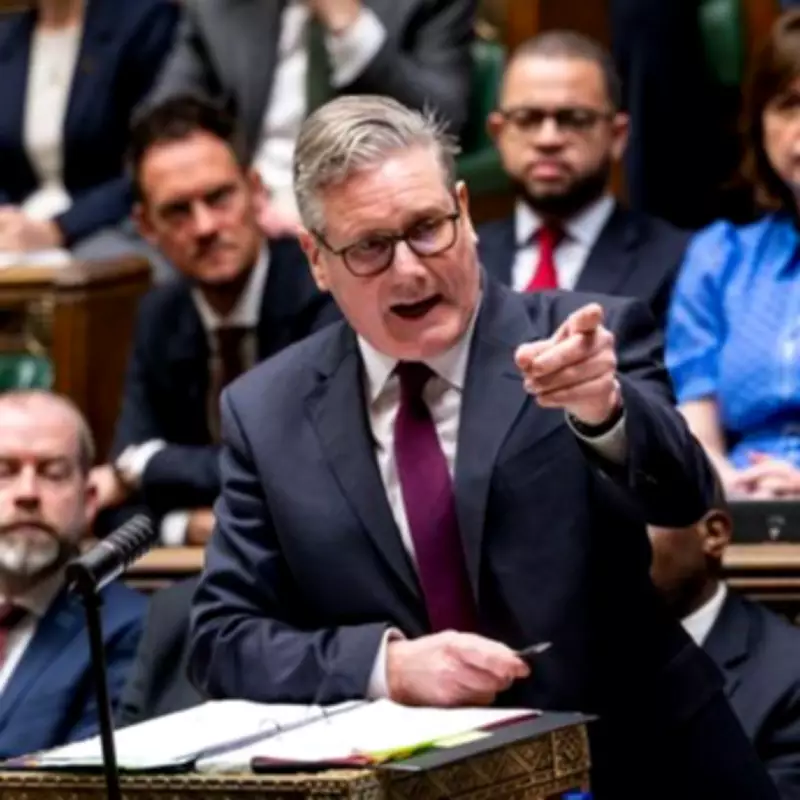
In a dramatic display of political theatre, MPs from Nigel Farage's Reform UK party stormed out of the House of Commons chamber during Prime Minister's Questions on Wednesday, March 25th, 2026. The walkout followed a testy and highly charged exchange between the opposition and government benches, escalating tensions in an already volatile parliamentary session.
Heated Exchange Precipitates Walkout
The incident unfolded mere seconds after Labour leader Keir Starmer delivered a scathing rebuke of Reform UK chief Nigel Farage, describing him as an "absolute disgrace" during the weekly PMQs session. Starmer's pointed criticism, delivered with forceful rhetoric, appeared to be the final straw for the Reform UK contingent, who responded by collectively exiting the chamber in a visible protest.
Eyewitness reports from within Westminster indicate that the atmosphere was particularly fraught, with raised voices and pointed accusations flying across the floor. The walkout, while brief, sent a clear message of dissent and highlighted the deepening divisions within the UK's political landscape. This act of parliamentary defiance underscores the growing influence and confrontational style of Reform UK under Farage's leadership.

Context and Political Ramifications
Prime Minister's Questions, a cornerstone of British parliamentary democracy, is designed to hold the government to account, but it often descends into partisan clashes. This latest episode, however, marks a significant escalation, with an entire party faction choosing to physically remove themselves from proceedings. Such walkouts are rare in modern Commons history and typically reserved for moments of profound disagreement or symbolic protest.
The timing of this event is crucial, coming at a period of heightened political sensitivity and public scrutiny. Reform UK, positioning itself as a disruptive force against the established political order, has frequently criticised both major parties. Starmer's harsh characterisation of Farage likely reflects Labour's strategic attempt to marginalise Reform UK's growing appeal among certain voter segments.
Political analysts suggest that this walkout could have several immediate consequences:
- Media Attention: The spectacle guarantees extensive coverage, amplifying Reform UK's message and potentially rallying its base.
- Parliamentary Relations: It may further strain cross-party communications and cooperation on legislative matters.
- Public Perception: Voters may view this as either a principled stand or parliamentary grandstanding, influencing opinions ahead of future elections.
While the walkout itself lasted only minutes, its symbolic weight is considerable. It challenges parliamentary norms and signals Reform UK's willingness to employ unconventional tactics to assert its presence. The party's MPs later returned to the chamber, but the incident has undoubtedly left a mark on the day's proceedings and the broader political discourse.
Broader Implications for UK Politics
This event is not merely an isolated parliamentary skirmish; it reflects deeper undercurrents within British politics. The rise of Reform UK, with its emphasis on immigration control, Brexit completion, and anti-establishment rhetoric, has disrupted the traditional Conservative-Labour dynamic. Starmer's forceful condemnation indicates that mainstream parties are taking this challenge seriously, perhaps viewing Farage as a significant threat to their electoral prospects.
Moreover, the walkout raises questions about decorum and debate in the Commons. While robust exchange is expected, such overt displays of protest test the boundaries of parliamentary protocol. Some may argue it undermines the institution's dignity, while others see it as a legitimate form of political expression in a democracy.
As the dust settles, all eyes will be on how Reform UK capitalises on this moment. Will they use it to galvanise support and frame themselves as victims of elite contempt? Or could it backfire, painting them as unserious disruptors? Similarly, Starmer's strategy in confronting Farage so directly will be scrutinised for its effectiveness in countering Reform UK's narrative.

This incident serves as a potent reminder of the evolving and often tumultuous nature of UK politics, where new players are reshaping the rules of engagement. The coming days will likely see continued fallout, with statements, analyses, and reactions from across the political spectrum further illuminating the divisions laid bare during this remarkable PMQs session.