European Union leaders are locked in intense negotiations to secure a critical financial package for Ukraine, with the stark warning that the choice is between providing "money today or blood tomorrow". The emergency summit, described as make-or-break, is focused on an unprecedented plan to use frozen Russian sovereign assets to fund Kyiv's war effort.
The €90bn Loan Proposal and Belgian Resistance
At the heart of the discussions is a European Commission proposal for a €90bn loan to Ukraine, designed to help the country continue its fight against Russia's invasion. This loan would be secured against the roughly €210bn in Russian state assets frozen within the EU following the full-scale invasion in February 2022.
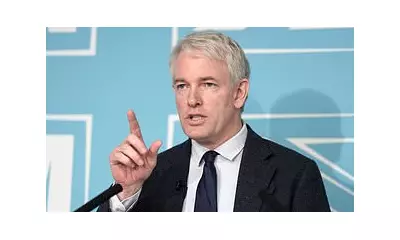
However, the plan faces significant opposition from Belgium, where the majority of these assets are held by the financial depository Euroclear. Belgian Prime Minister Bart De Wever has demanded ironclad guarantees from fellow member states, framing his position with a vivid analogy. "Give me a parachute and we'll all jump together," he told parliament. "If we have confidence in the parachute that shouldn't be a problem."
Belgium fears being left solely liable if Russia launches successful retaliatory legal claims against Euroclear or Belgian companies. A draft summit text promising "full solidarity" and risk-sharing was deemed insufficient, lacking details on the speed and duration of such guarantees.
A Stark Choice and Ukraine's Plea
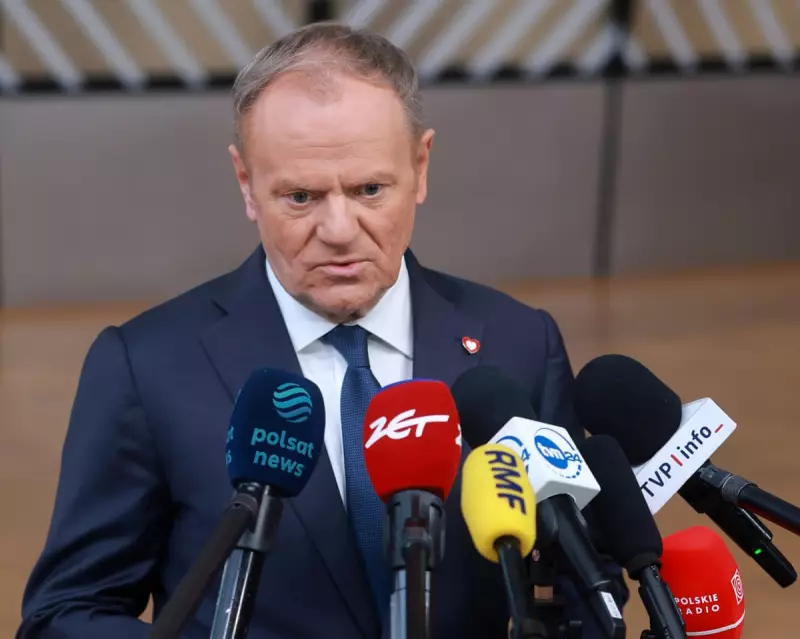
Polish Prime Minister Donald Tusk encapsulated the urgency of the situation for EU leaders, presenting them with a binary decision. "Either money today or blood tomorrow," he stated bluntly to the media.
Ukrainian President Volodymyr Zelenskyy, addressing the summit via video link, pressed for a decision by year's end, with forecasts suggesting his country risks bankruptcy by spring. He urged leaders to overcome their fears. "I know that Russia is intimidating different countries over this decision," Zelenskyy said. "But we should not be afraid of threats – we should be afraid of Europe being weak."
He argued that much of the funding would be spent on European weaponry, benefiting the EU's own defence industry, while also stressing Ukraine's need for certain systems, like US missile defences, not available in Europe.
Divided Alliances and External Pressures
The summit has revealed clear divisions within the bloc. Germany, alongside other fiscally cautious nations like Sweden and the Netherlands, strongly backs the plan to use Russian assets rather than European taxpayer money through joint EU borrowing. German Chancellor Friedrich Merz was unequivocal: "We are basically faced with the choice of using European debt or Russian assets for Ukraine, and my opinion is clear: We must use the Russian assets."
In contrast, Italy, Malta, and Bulgaria favour an EU loan secured against unallocated funds in the EU budget. Italian Prime Minister Giorgia Meloni warned that using the frozen assets without a solid legal basis would hand Moscow "the first victory since the start of the war".
Hungary's Prime Minister Viktor Orbán has dismissed using Russian assets as a "stupid" idea and has vowed to veto any move towards joint EU debt to fund the war.
The talks are further complicated by separate diplomatic manoeuvres from the Trump administration, which is seeking to negotiate an end to the conflict. US and Russian officials are reportedly scheduled to meet in Miami this weekend to discuss a potential peace plan.
As the summit continues, European Commission President Ursula von der Leyen has vowed not to leave without a solution. With Ukraine's future hanging in the balance, the EU's ability to present a united front and deliver concrete support faces its most critical test yet.