European leaders are facing a monumental and morally charged decision at a crucial summit in Brussels, one that could define the continent's geopolitical stance for years to come. The central question: how to legally and effectively mobilise the £184 billion in Russian state assets frozen in Europe, primarily in Belgium, to fund Ukraine's defence against Vladimir Putin's ongoing invasion.
The Moral Imperative vs. The Real-World Maze
Morally, the argument appears straightforward. Russia launched an illegal, full-scale war. Ukraine is running critically short of funds as the conflict approaches its fourth year, and Moscow continues to threaten regional stability. Using immobilised Russian funds to aid Kyiv is seen by many as a clear duty and a demonstration of European resolve.
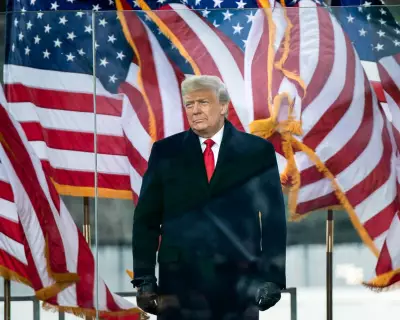
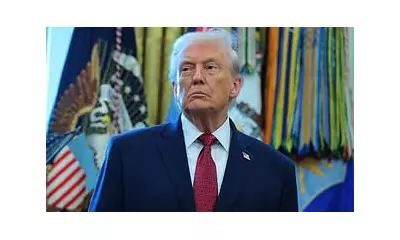
However, the path is fraught with complexity. The European Union has devised an ingenious loan proposal designed to utilise the value of the assets without outright seizure, aiming to navigate legal challenges. Yet, this plan is far from universally accepted. As the summit began, several member states remained opposed, with Belgium's position particularly delicate. The proposal faces fierce opposition from Donald Trump, who views the unfreezing of assets as a potential cornerstone of his own pro-Russian peace negotiations.
A High-Stakes Precedent and Global Repercussions
The implications of this move extend far beyond the immediate need to bankroll Ukraine's war effort. European officials are acutely aware of the precedent it would set. Bond markets could punish states taking on the associated risk, and voters across the continent, grappling with cost-of-living pressures, may question such a massive financial commitment.
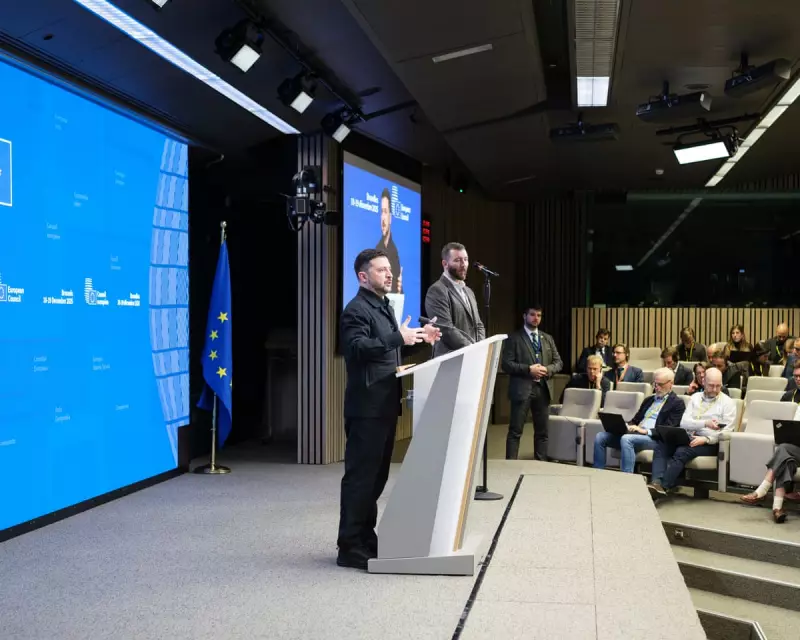
President Volodymyr Zelenskyy, attending the summit on 18 December, starkly reminded leaders that "there is no magic bullet that can end this conflict." An EU loan, while vital, is unlikely to be a singular gamechanger. Sanctions have not crippled Russia's economy as hoped, largely due to continued oil sales to China and India.
The longer-term strategic consequences are profound. If the EU proceeds but the aid fails to turn the tide for Ukraine, Europe's moral authority in future global standoffs—such as a potential crisis over Taiwan—could be severely weakened. This well-intentioned act of solidarity risks unleashing a global wave of more ruthless economic nationalism.
A Defining Moment for Brussels and Kyiv
The potency of these dilemmas explains why this European Council meeting is a watershed moment. Its outcome is critically important for Ukraine's immediate survival, but it is also an existential test for the European Union itself, challenging its unity, legal creativity, and geopolitical weight.
The shadow of the upcoming US election and Trump's alternative vision for peace adds immense pressure for a swift deal. With US and Russian negotiators reportedly set to meet again in Miami, the EU's window for decisive, unified action may be closing.
Ultimately, one stark reality overshadows the intricate debates in Brussels: without activating the value of these frozen Russian assets, the West's ability to financially sustain Ukraine's war effort is nearing its limit. The decision made this week will reveal much about Europe's capacity to act as a decisive power in an increasingly volatile world.