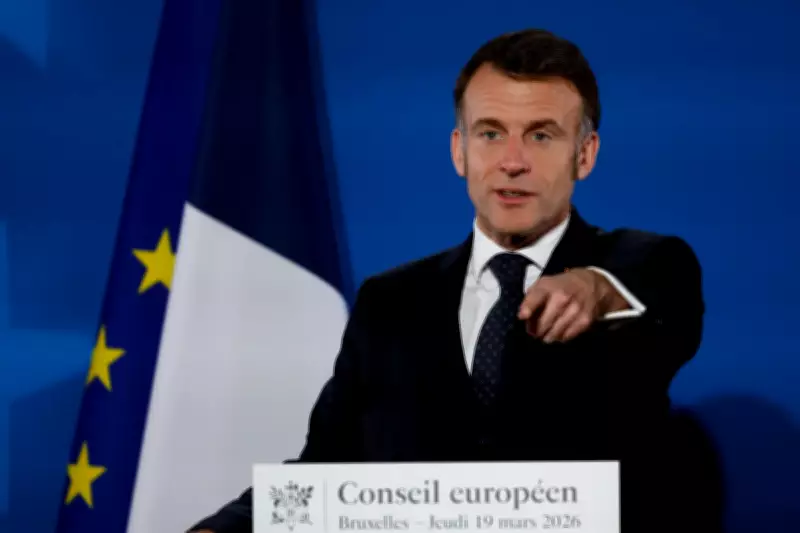
The French navy has conducted a high-profile interception and boarding operation against a tanker in the Mediterranean Sea, which authorities suspect is part of Russia's shadow fleet used to circumvent international oil sanctions. President Emmanuel Macron confirmed the vessel, named Deyna, is linked to Russia's efforts to evade restrictions imposed over Moscow's war on Ukraine.
Operation Details and International Cooperation
According to French maritime authorities for the Mediterranean, the interception took place in the Western Mediterranean on Friday, March 20, 2026. The operation was carried out in close cooperation with allies, including the United Kingdom, which provided monitoring support for the suspicious tanker. The Deyna was reportedly flying the flag of Mozambique and had departed from the Russian port of Murmansk, raising immediate red flags for enforcement agencies.
False Flag Allegations and Legal Proceedings
The French authorities stated that the primary objective of the boarding was to verify the vessel's nationality. Documents discovered onboard confirmed suspicions about the validity of its flag designation, suggesting the tanker was operating under a false flag. Following the inspection, the French navy diverted and escorted the Deyna to an anchorage point for further comprehensive checks. The case has been formally referred to a prosecutor in the port of Marseille, initiating legal proceedings that could lead to significant penalties.

Macron's Strong Condemnation of Shadow Fleet Operations
In a post on social media platform X, President Macron explicitly labeled the Deyna as a shadow fleet vessel. He condemned such operations as war profiteering that violates both international sanctions and maritime law. Macron emphasized that these activities directly finance Russia's war effort in Ukraine, stating firmly, "We won't let this happen." His comments underscore France's commitment to disrupting Russia's sanction-evasion networks, which are believed to involve hundreds of ships globally.
Pattern of French Enforcement Actions
This interception represents the latest in a series of enforcement actions by France against suspected shadow fleet tankers. In January 2026, the French navy intercepted another oil tanker in the Mediterranean sailing from Russia, which was later released after paying a multimillion-euro penalty. Last September, French naval forces boarded an oil tanker off France's Atlantic coast, which Macron also linked to the shadow fleet. That previous interception drew sharp criticism from Russian President Vladimir Putin, who denounced it as an act of piracy, highlighting the geopolitical tensions surrounding these maritime enforcement operations.
Broader Context of Sanction Evasion
Russia is widely believed to be utilizing an extensive shadow fleet of hundreds of vessels to bypass international sanctions targeting its oil exports, a crucial revenue stream for funding its military operations in Ukraine. France, along with other allied nations, has vowed to intensify crackdowns on these illicit activities. The interception of the Deyna demonstrates the ongoing multinational efforts to enforce sanctions and uphold maritime law, despite diplomatic pushback from Moscow. These operations are critical for maintaining the economic pressure intended to curtail Russia's war capabilities.