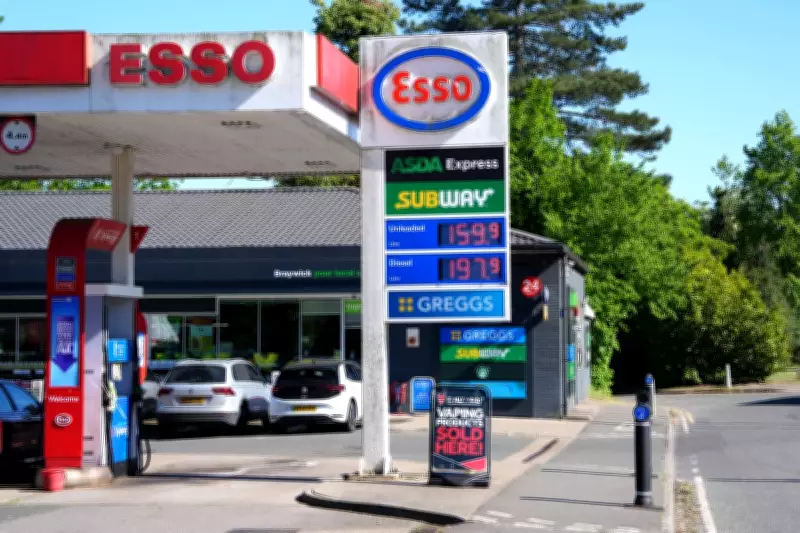
The Competition and Markets Authority (CMA) has concluded that the recent surge in fuel prices across the UK is primarily attributable to escalating oil costs rather than an increase in retailer profit margins. The watchdog's investigation revealed that fuel margins—the difference between what retailers pay for fuel and the price at which they sell it—have remained "broadly unchanged" since the onset of the conflict in the Middle East on February 28.
CMA Findings on Fuel Margins
While the CMA noted that a minority of retailers did increase their margins in March, it has committed to investigating these specific cases. Overall, fuel margins in March were close to or equal to the average of 107p per litre observed throughout the previous year. This indicates that margins remain at "historically high levels," reflecting ongoing concerns about insufficient competitive pressure in the retail fuel market.
Impact of Oil Prices
Oil prices, which significantly influence wholesale fuel costs, reached their highest point since 2022 on Thursday. This spike followed reports that US President Donald Trump might escalate the conflict with Iran. The price of Brent crude briefly surged past $126 per barrel (£94) before retreating. Iran's restrictions on tanker traffic through the Strait of Hormuz have exacerbated the situation, leading to average petrol and diesel prices at UK forecourts that are 24p and 47p per litre higher, respectively, than before the war began.

Consumer Advice
The CMA highlighted "significant local price variations," suggesting that drivers could save up to £9 on a tank of petrol or diesel by shopping around. Sarah Cardell, chief executive of the CMA, stated: "The conflict in the Middle East has driven sharp increases in road fuel prices, putting real pressure on households and businesses across the UK. The CMA's job is to ensure these rises reflect genuine cost pressures—especially given our previous work showing competition among fuel retailers isn't as strong as it should be. That's why we've stepped up our monitoring. This scrutiny is working: on average, retailer fuel margins did not increase. We will remain vigilant to ensure any fall in costs is passed on quickly to motorists."
Industry Reaction
AA fuel price spokesman Luke Bosdet commented: "There may be no evidence of price gouging following the oil price shock in March, but the UK has a situation now where the wholesale cost of diesel has plummeted more than 10p a litre since early April but pump prices are down by just 2p. There is as much as a 20p gap between the price of petrol on motorways as opposed to major A-roads. Maybe not price gouging, but 'rocket and feather' and the pump price postcode lottery are as strong as ever. The competition watchdog still has a lot of work to do."