Delegations from Russia and Ukraine have convened in Geneva for a new round of U.S.-brokered peace negotiations, occurring just a week before the fourth anniversary of Russia's full-scale invasion of its neighbor. The talks, scheduled over two days, began on Tuesday with both sides confirming their presence, as Ukrainian President Volodymyr Zelenskyy announced his government's delegation was in Switzerland, and Russian state news agency Tass reported the arrival of the Russian team.
Key Issues and Low Expectations
According to an anonymous source familiar with the discussions, the negotiations are expected to involve tough discussions about the future of Russian-occupied Ukrainian territory, particularly the eastern Donbas region, where Russian officials continue to insist on Ukraine ceding control. Military leaders from the United States, Russia, and Ukraine will address how ceasefire monitoring could be implemented and what steps are necessary to enforce it, building on previous talks in Abu Dhabi that explored demilitarized zones and military communication channels.
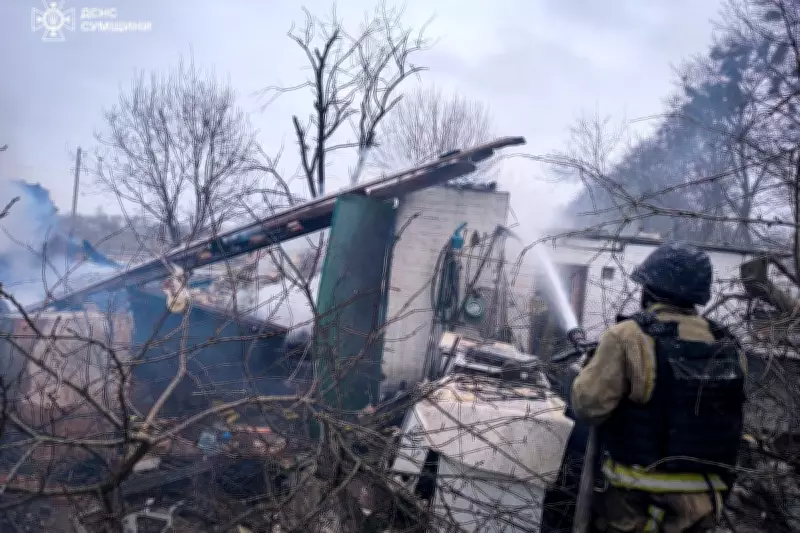
However, expectations for a significant breakthrough remain low, as neither side appears willing to compromise on critical territorial matters. The United States has set a June deadline for a settlement, but the ongoing war of attrition along the 1,250-kilometer front line, with Ukraine's outnumbered army facing Russia's larger forces, complicates progress. Ukrainian civilians endure relentless aerial attacks from Russia, which have caused power outages and destroyed homes, adding urgency to the talks.

Central Questions and Security Demands
The future of approximately 20% of Ukrainian land currently occupied or claimed by Russia is a central issue in the negotiations. Additionally, Kyiv is pushing for postwar security guarantees backed by the United States to deter future invasions from Moscow. U.S. President Donald Trump described the Geneva meeting as big talks and urged Ukraine to come to the table quickly, though the specifics of his comments were unclear.
On the military front, the commander of U.S. and NATO forces in Europe, General Alexus Grynkewich, and U.S. Secretary of the Army Dan Driscoll will represent the United States at the talks, meeting with their Russian and Ukrainian counterparts. This follows recent efforts to reestablish direct military communication between the U.S. and Russia, with hopes for high-level dialogue between General Grynkewich and Russia's military head, General Valery Gerasimov.
Recent Attacks and Diplomatic Context
Amid the talks, Russia launched nearly 400 long-range drones and 29 missiles overnight, striking 12 regions of Ukraine and injuring nine people, including children. President Zelenskyy reported that tens of thousands of residents in the southern port city of Odesa were left without heating and running water. He emphasized that Moscow should be held accountable for these attacks, warning that they undermine peace efforts and urging U.S. partners to recognize the challenges.
Zelenskyy noted that Ukraine has agreed to all realistic proposals from the United States, starting with an unconditional and long-term ceasefire. The Geneva talks coincide with indirect U.S. discussions with Iran in the same city, highlighting the broader diplomatic landscape. Following previous rounds in Abu Dhabi, delegation members expressed optimism, suggesting peace could be achievable if all parties agree, but the path forward remains fraught with obstacles.