Hungary Threatens to Block EU's 20th Russia Sanctions Package Over Halted Oil Shipments
Budapest has issued a stark warning to the European Union, threatening to block a new package of sanctions against Russia and stall efforts to assist Ukraine until Russian oil deliveries to Hungary are fully restored. This move comes as EU foreign ministers prepare to convene in Brussels on Monday to discuss the bloc's 20th round of sanctions against Moscow, with hopes of approval coinciding with the fourth anniversary of Russia's invasion of Ukraine on Tuesday.
Hungarian Foreign Minister's Ultimatum
In a video posted to social media on Sunday, Hungarian Foreign Minister Péter Szijjártó declared his intention to block the sanctions package. He accused Ukraine of deliberately obstructing Russian oil shipments through the Druzhba pipeline, which carries Russian crude across Ukrainian territory into Central Europe. "We will not consent to the adoption of the 20th package of sanctions, because we have previously made it clear that until the Ukrainians resume oil shipments to Hungary, we will not allow decisions that are important to them to be approved," Szijjártó stated emphatically.
Pipeline Disruption and Rising Tensions
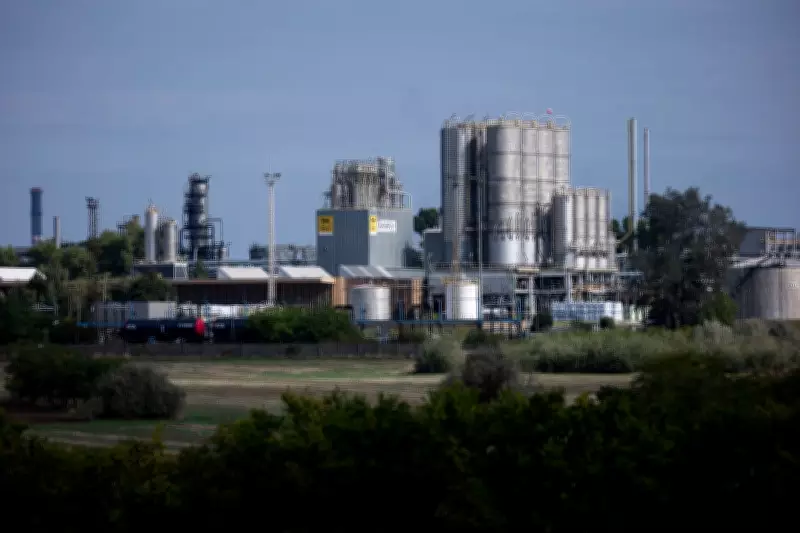
Russian oil shipments to Hungary and Slovakia have been interrupted since January 27, following what Ukrainian officials describe as Russian drone attacks that damaged the Druzhba pipeline. This disruption has led to escalating tensions between Budapest and Kyiv, with both sides pointing fingers over responsibility for the halted deliveries. For the EU sanctions to pass, the 27-nation bloc must reach a unanimous decision, giving Hungary significant leverage in these negotiations.

Hungary's Reliance on Russian Energy
While nearly every country in Europe has significantly reduced or entirely ceased Russian energy imports since Moscow launched its war in Ukraine on February 24, 2022, Hungary and Slovakia have maintained and even increased their supplies of Russian oil and gas. Both EU and NATO members, they have received a temporary exemption from an EU policy prohibiting imports of Russian oil. Hungarian Prime Minister Viktor Orbán, who maintains the closest relationship with the Kremlin of any EU leader, argues that Russian fossil fuels are indispensable for Hungary's economy. He claims that switching to alternative energy sources would cause an immediate economic collapse, a stance some experts dispute.
Broader Implications for Ukraine Aid
Szijjártó also announced on Saturday that Hungary will block a major 90-billion-euro (approximately $106 billion) EU loan to Ukraine, intended to help Kyiv meet its military and economic needs over the next two years. This threat extends beyond sanctions, directly impacting Ukraine's capacity to sustain its defense against Russian aggression. Earlier in the week, Hungary and Slovakia declared they would cease diesel shipments to Ukraine due to the oil interruptions. Slovakian Prime Minister Robert Fico added on Saturday that his country would cut off emergency electricity supplies to Ukraine if oil deliveries were not restored by Monday.
Orbán's History of Opposition
Prime Minister Orbán has frequently threatened to undermine the EU's efforts to sanction Moscow over its invasion of Ukraine. He has consistently criticized attempts to target Russia's energy revenues, which help finance the war, and has vetoed multiple EU initiatives to provide military and financial assistance to Ukraine. This latest standoff underscores the deep divisions within the EU over how to balance energy security with support for Ukraine, as the bloc grapples with the ongoing conflict and its economic repercussions.