Iran Dismisses Trump's Ceasefire Allegations as Baseless
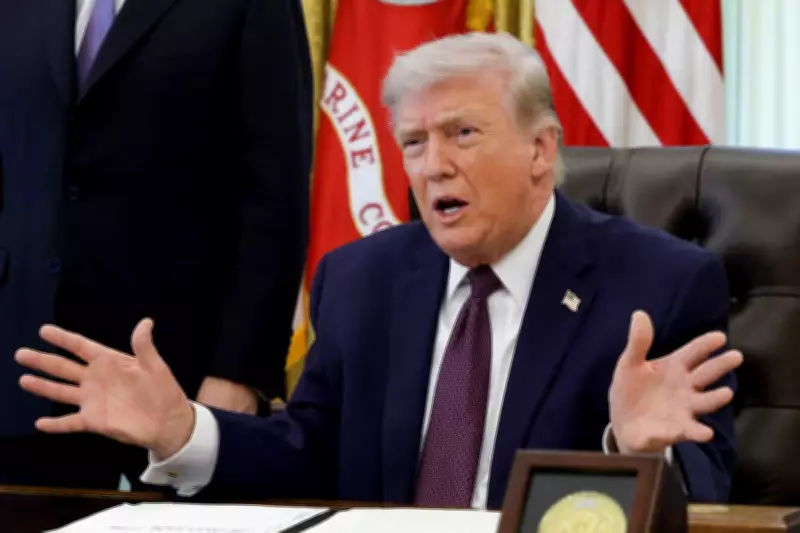
Iran has firmly rejected claims made by US President Donald Trump that a new regime president in Tehran had requested a ceasefire to negotiate a peace agreement. In a post on Truth Social, Trump alleged that a less radicalised Iranian leader sought to halt hostilities, but Tehran's foreign ministry spokesperson has labelled these statements as false and baseless, according to reports from Iranian state television.
Trump's Threats and Military Posturing
In the same social media post, Trump escalated tensions by threatening to 'blast Iran into oblivion' if the Strait of Hormuz was not kept open for international shipping. This critical waterway is a vital chokepoint for global oil supplies, and any disruption could have severe economic repercussions worldwide.
Separately, the US president indicated a potential US withdrawal from the conflict within weeks, describing a military alliance in the region as a 'paper tiger'. This comment suggests a shift in US foreign policy strategy, potentially leaving allies uncertain about future support.

Background and Recent Developments
The diplomatic spat comes amid ongoing tensions between the two nations, with Iranian media reporting an attack on the former US Embassy building in Tehran. While details remain scarce, this incident underscores the volatile security situation in the region.
Iran's swift denial of Trump's ceasefire claims highlights the deep mistrust between Washington and Tehran, with both sides engaging in a war of words that risks further destabilising the Middle East. Analysts warn that such rhetoric could inadvertently lead to miscalculations or unintended escalations.
The situation remains fluid, with international observers closely monitoring for any signs of de-escalation or further provocations. The coming weeks will be crucial in determining whether diplomatic channels can be reopened or if military confrontations become more likely.