Iran-Israel Conflict Intensifies with Missile Barrage and Regional Strikes
The ongoing conflict between Iran and Israel has escalated dramatically, with Tehran launching a significant missile attack on Israel in retaliation for the killing of its top security official, Ali Larijani. Simultaneously, the United Arab Emirates confirmed intercepting missiles over Dubai, while Israeli airstrikes targeted Beirut, resulting in multiple casualties.
Missile Interception Over Dubai and Iranian Retaliation
Residents in Dubai reported hearing a loud bang early Wednesday, prompting UAE authorities to activate air defences. The defence ministry stated that systems were responding to incoming missile and drone threats from Iran, successfully intercepting at least one missile with no injuries reported. This incident followed Iran's vow for decisive retaliation after an Israeli airstrike killed Ali Larijani, secretary of Iran's supreme national security council.
Iranian army chief Amir Hatami declared that Iran's response to Larijani's assassination would be "decisive and regrettable." The Islamic Revolutionary Guards claimed responsibility for launching missiles at central Israel, specifically targeting Tel Aviv with cluster warheads. This attack killed at least two people near Tel Aviv, bringing Israel's war death toll to at least fourteen. Iran stated the assault was in revenge for Larijani's blood, marking him as the most senior Iranian official killed since Supreme Leader Ali Khamenei's assassination on the war's first day.
Beirut Under Fire: Israeli Airstrikes Kill Six
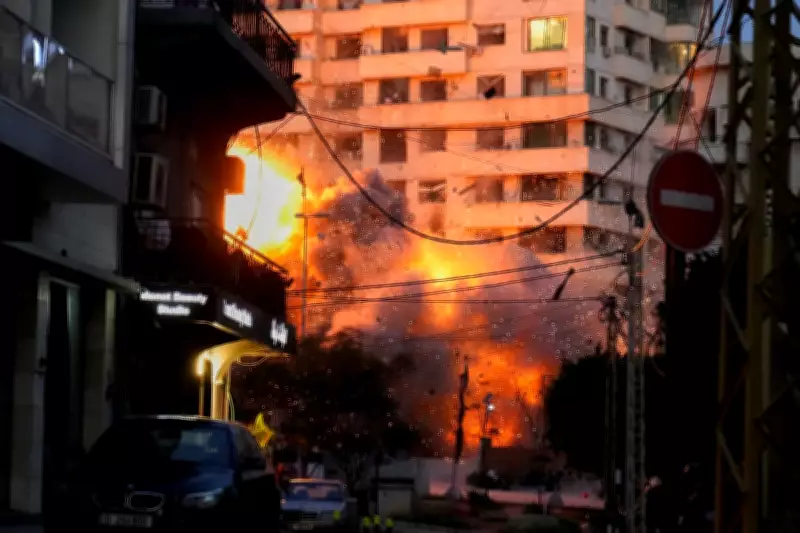
Israeli airstrikes intensified in Lebanon, with attacks shaking Beirut's southern suburbs and central districts. The Lebanese health ministry confirmed at least six fatalities and twenty-four injuries from strikes in the capital. Explosions lit up the night sky in Hezbollah-controlled areas, with one powerful strike destroying an entire building in the Bachoura neighbourhood near downtown Beirut.
Additional strikes hit the Zuqaq al-Blat and Basta districts, damaging apartment blocks. Israel's military announced it had begun striking Hezbollah targets in southern Lebanon, drawing the country deeper into the regional conflict that expanded on 2 March when Hezbollah attacked Israel to avenge Khamenei's killing.
Nuclear Tensions and Diplomatic Fallout
Amid the violence, a projectile struck near Iran's Bushehr nuclear power plant, though Iranian authorities reported no damage or injuries. The International Atomic Energy Agency (IAEA) confirmed the incident, with chief Rafael Grossi urging maximum restraint to avoid nuclear accident risks. Russia's Rosatom condemned the strike but noted normal radiation levels at the plant.
Iranian Foreign Minister Abbas Araqchi indicated that Iran's nuclear doctrine, historically opposing weapon development under a fatwa from the late Ayatollah Khamenei, might not change significantly, though the new supreme leader's views remain unexpressed. Meanwhile, former U.S. President Donald Trump criticised NATO for not assisting in opening the Strait of Hormuz, and his counterterrorism chief, Joe Kent, resigned over concerns about Trump's strikes in Iran, highlighting internal unease.
Regional Attacks and Escalating Threats
The conflict has sparked attacks across the Middle East. In Baghdad, drone strikes targeted the U.S. embassy, with explosions heard near the diplomatic compound and at a facility near Baghdad International Airport. Security sources reported multiple rocket and drone attacks activating air defence systems.
As tensions mount, Irish Prime Minister Simon Harris defended UK Labour leader Keir Starmer and suggested European leaders could collaborate with Trump on Iran policy, though Trump's remarks about NATO abandonment complicate diplomatic efforts. The situation remains volatile, with all sides demonstrating heightened military readiness and regional stability hanging in the balance.