Iran Announces Conditional Opening of Strait of Hormuz Amid Ongoing Tensions
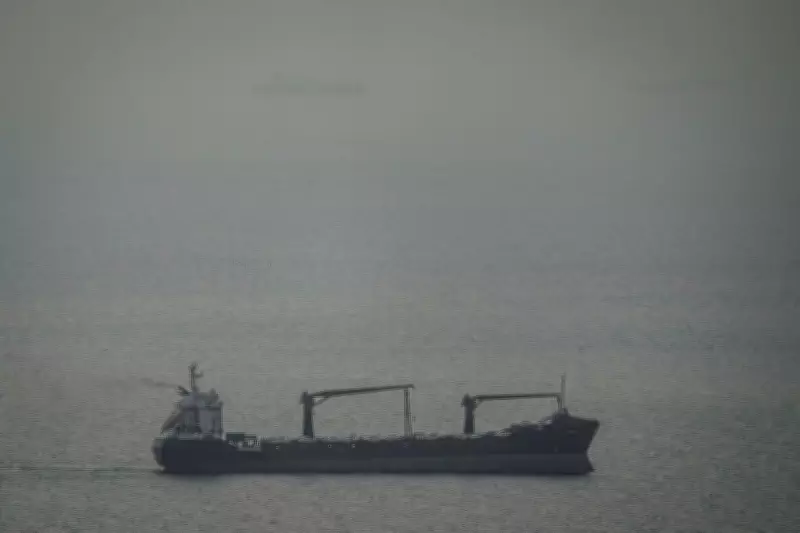
In a significant development, Iran has declared that it will allow ships to pass through the strategically vital Strait of Hormuz, provided they do not engage in or support acts of aggression against the country. This announcement was made to the United Nations, signaling a potential de-escalation in the region's maritime conflicts. The Strait of Hormuz is a critical chokepoint for global oil shipments, and its closure could have severe implications for international trade and energy markets.
Trump Claims Victory and Proposes Peace Plan
Meanwhile, former US President Donald Trump has publicly asserted that the United States has "won this war" against Iran, blaming what he termed "fake news" for perpetuating the conflict. In a move aimed at resolving the crisis, Trump revealed that he has sent a 15-point peace plan to Iranian authorities. This plan reportedly includes proposals for a month-long ceasefire to facilitate discussions, with key demands such as the dismantling of Iran's primary nuclear sites and its uranium enrichment programme. However, the sincerity and feasibility of this plan remain under scrutiny, given the complex geopolitical landscape.
Military Movements and Economic Impacts
Despite these diplomatic overtures, reports indicate that the Pentagon has ordered approximately 2,000 soldiers from the 82nd Airborne Division to begin relocating to the Middle East. This military deployment suggests that the United States is preparing for potential escalations, even as peace talks are proposed. On the economic front, oil prices experienced a notable decline overnight, likely influenced by Trump's announcement of the peace plan. However, the situation remains volatile, with market analysts warning of possible fluctuations based on further developments.

UK Drivers Face Soaring Fuel Costs
In the United Kingdom, the repercussions of the conflict are being felt directly by consumers. Drivers are predicted to incur an additional £307 million in fuel bills as diesel prices have surged to a three-year high. This increase is attributed to the ongoing tensions in the Middle East, which have disrupted oil supplies and driven up costs. The financial burden on UK households highlights the global interconnectedness of such conflicts, affecting not only geopolitical stability but also everyday economic conditions.
As the situation evolves, stakeholders worldwide are closely monitoring Iran's actions in the Strait of Hormuz and the responses from international players. The interplay between military posturing, diplomatic efforts, and economic consequences underscores the complexity of this ongoing crisis.