President's Son Calls for Internet Access Restoration in Iran
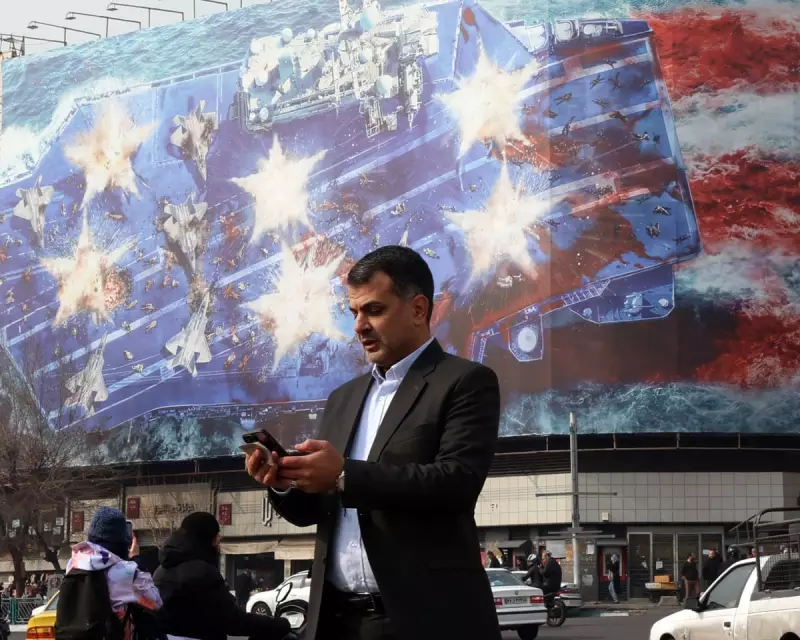
The son of Iran's president has publicly urged authorities to end the nationwide internet blackout imposed during recent protests, arguing that suppressing visual evidence of the regime's violent crackdown will only exacerbate public dissatisfaction.
Digital Shutdown Creates Growing Discontent
Yousef Pezeshkian, whose father Masoud Pezeshkian was elected president in summer 2024, warned in a Telegram post that maintaining internet restrictions would "create dissatisfaction and widen the gap between the people and the government." He emphasized that "those who were not and are not dissatisfied will be added to the list of the dissatisfied" through continued digital isolation.
The presidential adviser stated that footage showing protest violence represents "something we will have to face sooner or later" and insisted that "shutting down the internet will not solve anything, we will just postpone the issue." His comments come amid internal regime debates about the political risks of maintaining connectivity restrictions.

Violent Crackdown and Mounting Casualties
As authorities sporadically lift restrictions, a painful investigation into protest casualties is emerging. Rights groups have documented several thousand deaths during the violent suppression of demonstrations, with Norway-based Iran Human Rights estimating the final toll could reach 25,000. Thousands more remain detained.
Disturbing evidence continues to surface despite restrictions. Pictures of deceased children have appeared on Iranian internet sites, while Dr Ghasem Fakhraei, director of Tehran's Farabi eye hospital, reported that staff have performed emergency eye surgery on over 1,000 patients since protests began, with hospital wards overflowing.
Economic Consequences and Internal Divisions
The internet shutdown is inflicting severe economic damage, with Iran's computer trade organisation estimating daily losses of $20 million (£15 million). Tehran's stock market remained in decline for four consecutive days, while the Iranian rial continued falling against the dollar - one of the original protest triggers.
Internal government divisions are becoming increasingly public. While President Pezeshkian and Communications Minister Sattar Hashemi support relaxing restrictions, Ali Larijani, head of the supreme national security council, opposes the move. Iranian journalists openly report these disputes about whether restoring connectivity is safe.
Challenging Official Narratives
As restrictions partially lift, pressure mounts against the Islamic Revolutionary Guard Corps narrative attributing high death tolls solely to Mossad subversion. Reformist former Tehran mayor Gholamhossein Karbaschi questioned this explanation, asking "If the agents of Mossad and foreign countries are at work how did they suddenly carry out these disasters throughout the country?"
Karbaschi also condemned the government's economic failures, stating "The government in Iran is losing its original meaning" and "does not show any power in any area." His criticism reflects growing frustration with the administration's inability to address multiple crises.
Daily Struggles and Psychological Toll
For ordinary Iranians, the blackout creates practical and psychological hardships. One trader described receiving only 20 minutes of supervised internet access daily - enough for basic email responses but insufficient for conducting business. Lorry drivers report border crossing difficulties due to missing electronic documentation.
The psychological impact is profound, with one protester telling the Guardian: "Bodies are intact, but hearts and minds are shattered. For a moment you feel happy that you have finally managed to get access to the internet. Then instantly guilt hits." Another expressed despair that "we have become so miserable that we are impatiently waiting for another country to attack our country hoping it will save us."
Prominent Sunni cleric Molavi Abdolhamid, Friday prayer leader in Zahedan, referred to January's violent suppression as an "organised massacre," highlighting how criticism extends beyond reformist circles to religious figures.