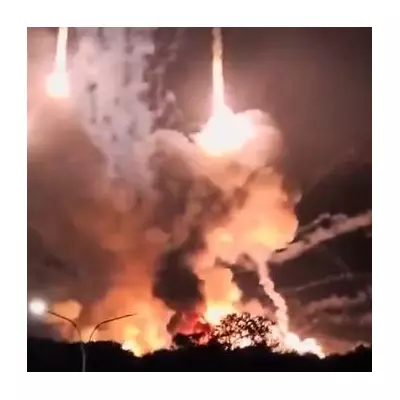
Protests across Iran have escalated into the most serious challenge to the country's regime in years, with a rising death toll and a severe government crackdown now entering its third week.
Nationwide Unrest and Government Crackdown
The wave of demonstrations, which began on December 28, 2025, was initially sparked by public anger over Iran's struggling economy. The situation has since intensified dramatically. According to reports, at least 62 people have been killed and approximately 2,300 individuals have been detained by authorities.
In a bid to control the narrative and stifle organisation, the Iranian government has taken the drastic step of shutting down access to the internet and international telephone calls for much of the population. This has largely cut off the Islamic Republic from the rest of the world, making independent verification of events on the ground extremely difficult.
London Embassy Echoes with Historic and Current Tensions
The reverberations of the crisis have been felt thousands of miles away in the UK. On Saturday, a protester climbed onto the balcony of the Iranian embassy in Kensington, central London, drawing a police response. The Metropolitan Police confirmed they had sent additional officers to the scene where a number of people had gathered.
This incident evoked memories of the famous 1980 siege at the same embassy, when six armed Iranian-Arab hostage-takers, campaigning for the sovereignty of the Khuzestan province, held 26 people captive for six days. The siege ended when SAS soldiers stormed the building in just 17 minutes, rescuing all but one hostage and killing five of the six captors.
International Reaction and Mounting Pressure
The UK's political leadership has begun to respond to the escalating violence in Iran. Earlier this week, Labour leader Sir Keir Starmer condemned the killing of protesters and urged the Tehran regime to "exercise restraint" in its handling of the demonstrations.
As the protests approach the two-week mark, the situation remains volatile. Iranian state television has broadcast images of burning vehicles during nights of mass protests in Tehran, underscoring the scale of the unrest. The government's acknowledgement of the ongoing demonstrations, coupled with its intensifying security response, points to a regime under significant pressure, facing its most potent domestic challenge for several years.